
Insurance heavyweight WTW expands into cryptocurrency asset recovery sector through acquisition of Redefind.
Willis Towers Watson's acquisition of Redefind marks a significant foray into the cryptocurrency insurance market, introducing a pioneering service focused on crypto asset recovery-a niche yet crucial area underserved by traditional insurance models. This strategic move not only diversifies WTW’s portfolio but also underscores a growing recognition of digital assets as integral components of modern financial systems.
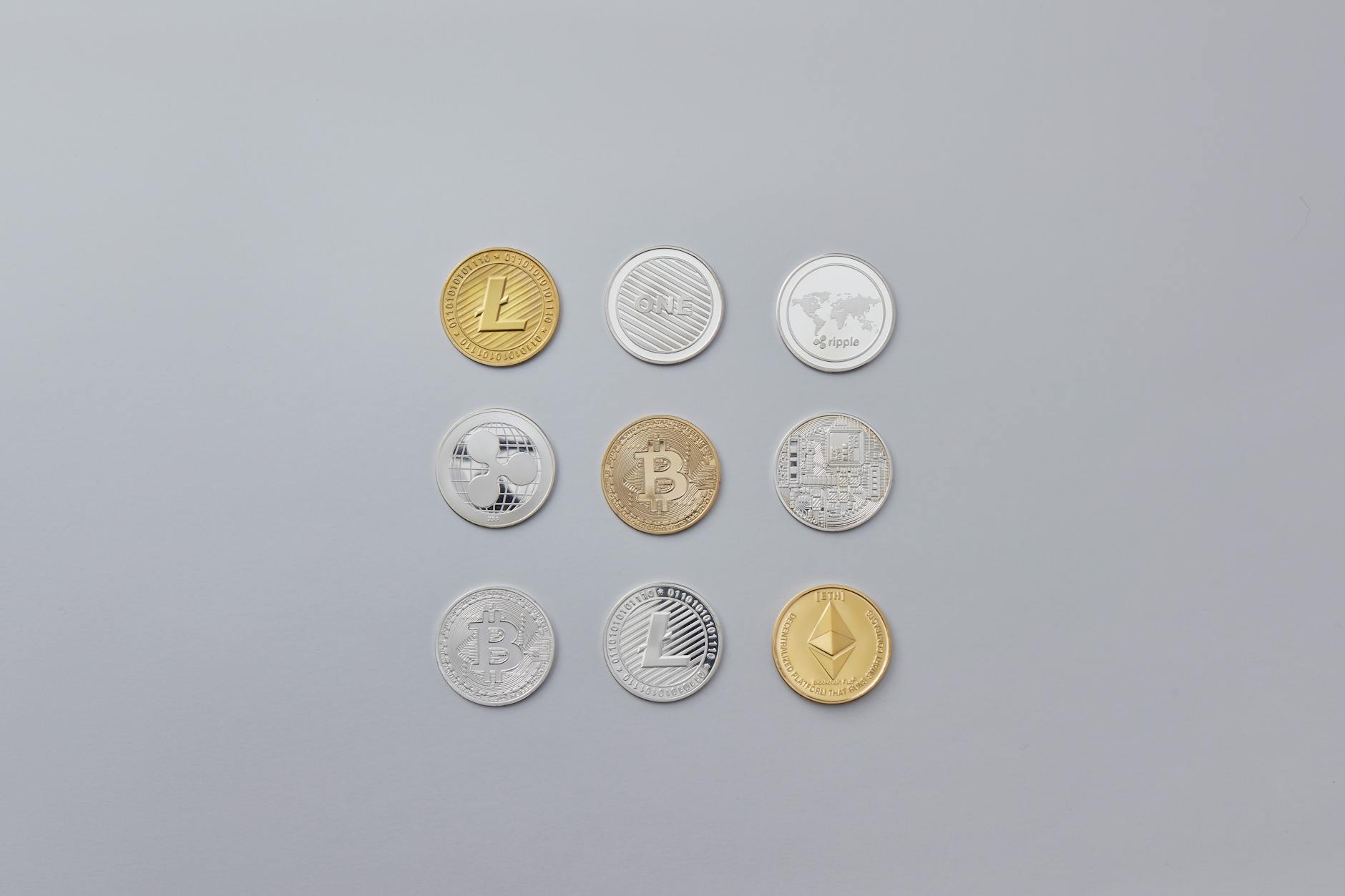
Willis Towers Watson (WTW), an established giant in the insurance and risk management sector, has officially dipped into the cryptocurrency pool by purchasing Redefind. This move positions WTW to deliver a novel form of insurance tailored specifically for the digital asset realm-crypto asset recovery. The service aims to mitigate the financial blow of crypto theft or loss by covering the integral, yet costly, forensic, tracing, and legal efforts necessary to recover lost assets.
The acquisition is not merely a business expansion but a strategic embrace of the burgeoning intersection between traditional financial services and the digital asset industry. Redefind, now under the WTW umbrella, offers a non-custodial insurance product, which is rather pioneering in its approach. It integrates cryptographic proof of ownership-an essential feature in a space riddled with anonymity and security concerns. Richard Daws and Connor Edward, co-founders of Redefind, have transitioned to WTW, suggesting a deep integration of Redefind's innovations within WTW’s broader service offerings.
Their decision to kick off this service in the United Kingdom is both a strategic and tentative first step into a market that is, by all counts, a regulated and financially mature environment. This could potentially serve as a testing ground before WTW rolls out the service on a global scale. The focus on recovery rather than custodianship marks a nuanced understanding of a crucial gap in the crypto insurance market. Most insurance products in crypto tend to focus on custody; however, the real challenge often begins post-theft.
WTW's approach to crypto asset recovery is an indicative pivot in the insurance industry at large. As noted by CoinTelegraph, traditionally, large insurers have been cautious, if not skeptical, about diving into crypto, primarily due to the volatility and regulatory uncertainties surrounding digital assets. Yet, the landscape is rapidly changing. For instance, firms like Delaware Life are incorporating Bitcoin-linked exposures to retirement annuities, while others like Dubai Insurance are facilitating cryptocurrency transactions within their traditional policy structures.
This broadening acceptance and integration echo a recognition of cryptocurrency’s staying power and relevance in mainstream financial services. It’s an acknowledgment that digital assets are not just speculative instruments but are here to form a substantive part of people’s asset portfolios and day-to-day transactions. The introduction of blockchain-based payment rails in the insurance sector, as piloted by Aon, further solidifies this trend. Such initiatives are crucial as they not only provide practical utilities but also promote regulatory and public trust and confidence in digital assets.
However, entering the crypto insurance market isn't a walk in the park. The complexities inherent in digital assets- from technological to regulatory - demand not only innovative solutions but also new frameworks for risk assessment and management. WTW’s Redefind acquisition suggests a readiness to tackle these complexities head-on. By addressing the specific pain point of asset recovery, WTW may set a precedent for future insurance products that are more attuned to the unique challenges of the digital asset market.
Yet, as is common with any innovative leap, challenges loom large. The effectiveness of these recovery services will hinge heavily on the advancements in forensic and legal tools capable of navigating the murky waters of cryptocurrency theft-a realm where anonymity and cross-jurisdictional issues complicate recovery efforts significantly. The industry will be watching closely, not just to see if WTW can deliver on its promises, but to gauge whether this could signify a shift towards more robust and encompassing financial safety nets for crypto investors globally.
In essence, WTW’s move could be a bellwether for the insurance industry’s broader approach to digital assets. Whether this leads to a more secure crypto market or establishes a template for others to follow remains to be seen. But one thing is clear: the intersection of traditional finance and crypto continues to evolve, and the entities willing to innovate-like WTW-are often those that shape the future contours of this space.
Exploring how this affects your payment flow?