
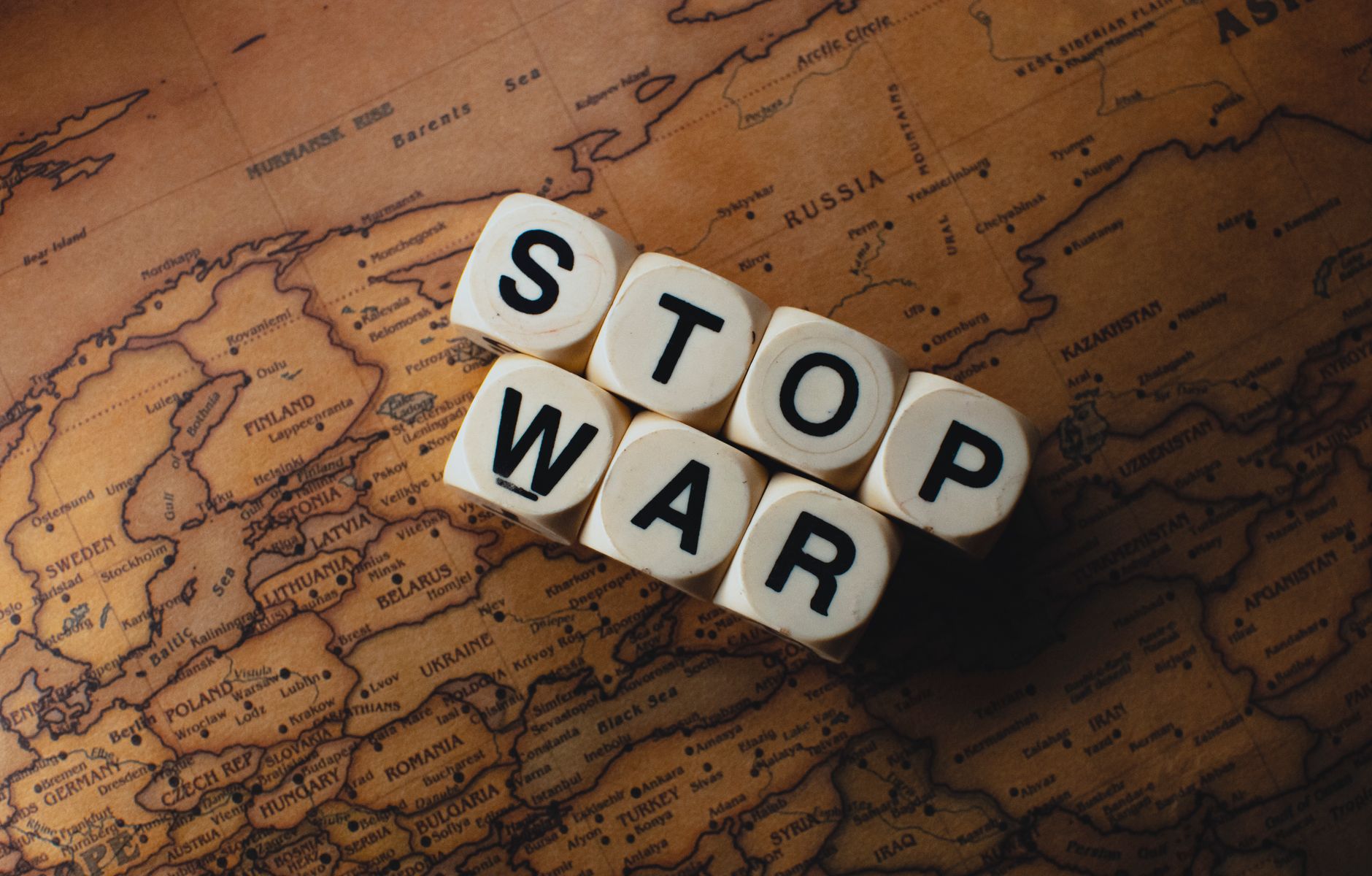
In a decisive move, Iran has declared it will no longer permit the International Atomic Energy Agency (IAEA) to access its nuclear sites recently compromised by military strikes. This announcement, cited in a recent Crypto Briefing report, comes as tensions simmer among Iran, the United States, and Israel. The heightened friction makes the prospect of a peaceful resolution increasingly complex, especially with a critical deadline looming to halt uranium enrichment by June 30.
Iran's decision could be interpreted as a strategic pivot to harden its stance in nuclear negotiations. It signals a deepening distrust between Iran and the international community, undermining efforts to foster transparency around its nuclear capabilities. This standoff not only jeopardizes potential diplomatic progress by the July 31 deadline for a U.S.-Iran nuclear deal but also heightens global concerns about nuclear proliferation and regional stability.
The refusal to allow inspections complicates the situation further, setting back the IAEA's mandate to ensure nuclear activities are purely peaceful. The agency's inability to verify the status of Iran's uranium stockpiles and assess the extent of damage from recent strikes casts a long shadow over the effectiveness of international nuclear safeguards. This obstacle might reinforce global anxieties about the potential for undeclared nuclear materials and activities slipping under the radar.
While the main focus remains tightly on Iran's nuclear intentions, the ripple effects of this stand-off extend beyond immediate diplomatic circles. Financial markets and international relations are likely to experience volatility as stakeholders assess the broader implications of Iran's nuclear opacity. Observers and analysts will particularly watch for any shifts in rhetoric or policy from Iran's leadership, which might suggest a possible return to negotiation tables or a further hardening of their nuclear ambitions.
Furthermore, this development also indirectly impacts sectors like aerospace and defense, as regional tensions tend to affect procurement and strategy considerations. Within the fintech and crypto sectors, where market sentiment is often sensitive to geopolitical shifts, we could see an increase in volatility. Companies and investors in these areas should remain aware of these dynamics since they can quickly impact market conditions and investment landscapes.
As Radom continues to explore and analyze global developments that impact the fintech and crypto environments, understanding these complex geopolitical issues is crucial. Keeping an eye on international regulatory trends and their implications for global markets remains a key part of our analysis. For more insights into how geopolitical incidents influence financial technologies, visit our Insights blog.
In conclusion, Iran's recent decision presents a complicated challenge to global diplomacy and nuclear non-proliferation efforts. The upcoming weeks will be pivotal in determining whether there's room for a return to dialogue or if the world should brace for heightened tensions and their wide-ranging ramifications.

