
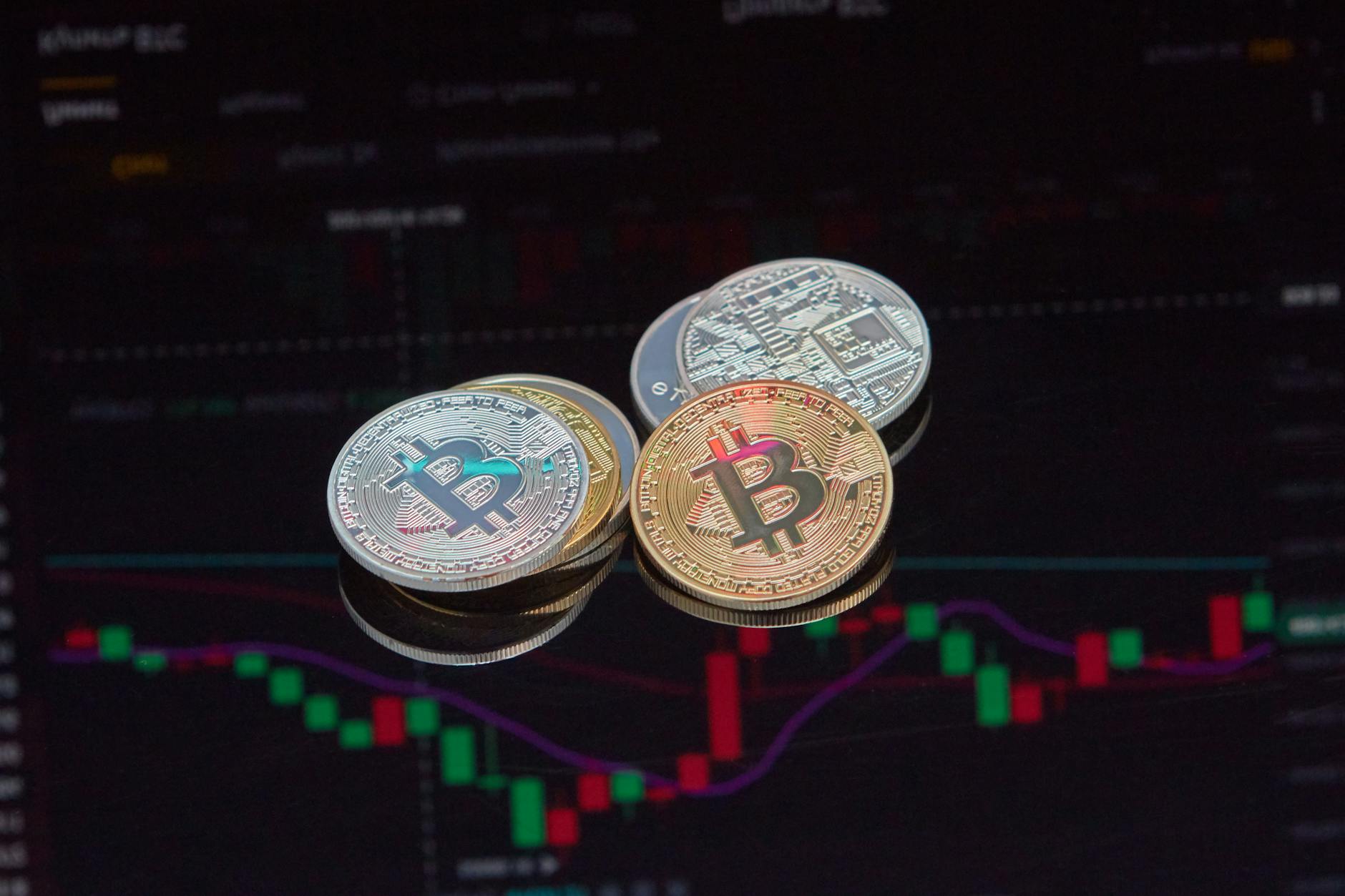
When geopolitical tensions boil over, as we've seen with the recent Iran missile attacks on Israel, it's not just the nightly news that takes notice - the crypto markets do, too. This week's significant escalation in the Middle East could be felt all the way in the ledgers of digital asset traders, confirming again how interconnected global events and cryptocurrency markets have become.
The immediate aftermath of Iran's direct missile strike on Israel was as predictable in the crypto market as it was unfortunate: a sharp sell-off. Historical patterns were upheld as traders moved away from what they perceive as riskier assets - like cryptocurrencies - in favor of more stable investments during times of uncertainty. This phenomenon was detailed in a report from Crypto Briefing, which noted the downturn in crypto trading volumes and market caps right as hostilities resumed.
This isn't just about nervousness creek up in crypto trading floors though. The targets included, among others, petrochemical plants in Iran, a crucial sector that, when disrupted, has far-reaching implications on energy prices worldwide. For investors keeping an eye on how geopolitical events influence market movements, this serves as a stark reminder of the oil-energy-crypto nexus which can often amplify market stress.
President Donald Trump's confirmation that the U.S. remains tangled in negotiations with Iran adds another layer of complexity. This ongoing diplomatic dance occurs despite the missiles, suggesting that the geopolitical situation - much like the markets it affects - remains fluid and, by extension, predictably unpredictable.
We've seen this before, where political or military confrontations lead to market jitters. For example, during the 2020 U.S.-Iran tensions following the American airstrike in Baghdad, Bitcoin and other major cryptocurrencies saw a significant increase in price as investors sought safety in what many view as 'digital gold'. This time, however, the reaction has been notably bearish, reflecting perhaps a different investor sentiment or broader economic context.
For crypto investors, these dynamics underscore the importance of staying informed on international events, not just the financial pages. Investing in cryptocurrencies today means keeping one eye on the markets and another on global news as any instability can send shockwaves across trading platforms. It is also an acute reminder of the necessity of versatile strategies in digital asset portfolios. Hedging against such risks through diversification or sometimes, even fiat-backed stablecoins could mitigate sudden downturns in such turmoil.
Furthermore, investment in blockchain technology with an emphasis on enhancing security and real-time global transaction capabilities might see increased interest. Infrastructure resilience to geopolitical shocks could become a selling point, as suggested by a recent post on Radom Insights which explores the future of tokenized deposit networks.
Conclusively, while the missiles themselves might not change the course of blockchain technology, the underlying volatility in the markets they cause, most certainly influences the immediate fiscal landscape. For traders and investors, the event signifies more than just a temporary dip in asset prices - it emphasizes the nuanced vulnerabilities and the often underappreciated interconnectedness between global events and cryptocurrency markets.
Indeed, the discourse surrounding cryptocurrencies often orbits around technology, security, and regulation, but as current events reveal, international relations can swiftly become an equally dominant driver of market fluctuations. It's an intricate tapestry of causes and effects where geopolitical ripples can unsettle even the most secure digital harbors.

