
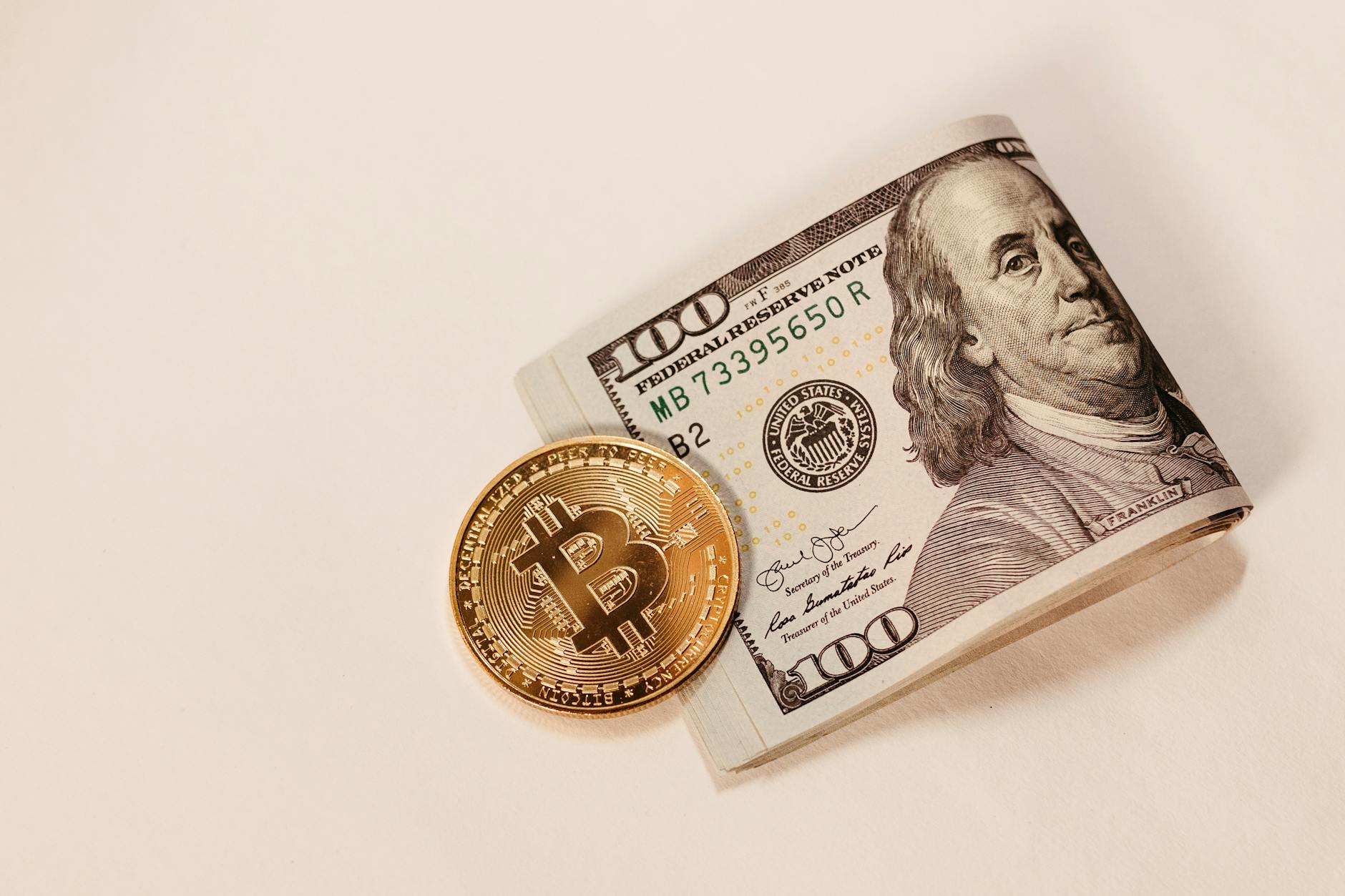
Japan’s government, under Prime Minister Sanae Takaichi, has earmarked an immense $135 billion for an economic stimulus plan, designed to tackle the pressing challenges of inflation and sluggish economic growth. This substantial fiscal push is not just about reviving the Japanese economy but also unveils the ongoing complexities in the global financial landscape, notably alongside the erratic dance of Bitcoin's pricing.
The freshly approved fiscal package of JPY 21.3 trillion is Japan's largest post-COVID economic sortie. With general account outlays pegged at JPY 17.7 trillion and tax cuts amounting to JPY 2.7 trillion, the government’s strategy seems to lean heavily on broad-based financial injections into the economy (CoinDesk). However, this move has sparked a debate on its potential inflationary consequences-a counterintuitive twist given the plan’s aim to alleviate inflationary pressures.
This strategy raises a critical question: Can a massive stimulus, traditionally viewed as a precursor to inflation, genuinely serve as an inflation antidote under current economic conditions? Economically, increasing the money supply without a corresponding rise in goods and services typically leads to inflation. Yet, the Japanese government’s approach suggests a different theory-that targeted financial boosts can spur enough economic activity to stabilize or even reduce inflation levels.
Furthermore, situating this economic maneuver against the backdrop of fluctuating Bitcoin prices adds another layer of complexity. The stimulus announcement comes at a time when Bitcoin continues to face significant price volatility, which could influence investor behavior and market stability in Japan and globally. The dynamic nature of cryptocurrency markets and their increasing linkage to traditional financial systems suggest that changes in one are more likely to impact the other.
For businesses and investors, understanding these correlations and potential impacts becomes crucial. Companies leveraging crypto for transactions, such as those utilizing crypto payment solutions, may find the evolving economic policies influencing their operational and strategic decisions. These shifts could redefine risk parameters and necessitate adjustments in investment and financial strategies.
In this complex economic scenario, the eyes of financial analysts, investors, and policymakers worldwide will be on Japan’s economic performance in the coming months. Will the large-scale infusion of capital into the Japanese market counterbalance the inflationary pressures, or will it exacerbate them amidst global economic uncertainties and crypto market fluctuations? Only time will unveil the real impact of Japan’s bold fiscal experiment in this intricately connected global economy.

