
Large-scale Bitcoin investors have recently acquired $16.7 billion worth of the cryptocurrency over a two-week period, contrasting sharply with the record $4 billion outflow from cryptocurrency exchange-traded funds.
As U.S. institutions extracted a record $4.06 billion from Bitcoin-focused ETFs in June, Bitcoin whales defied market trends by amassing over 270,000 BTC, valued at approximately $16.7 billion, signaling a bullish outlook on the cryptocurrency's long-term value despite prevailing uncertainties. This strategic divergence underscores a complex interplay of investor confidence and market liquidity, shaping a nuanced landscape for both retail and institutional participants in the cryptocurrency sector.
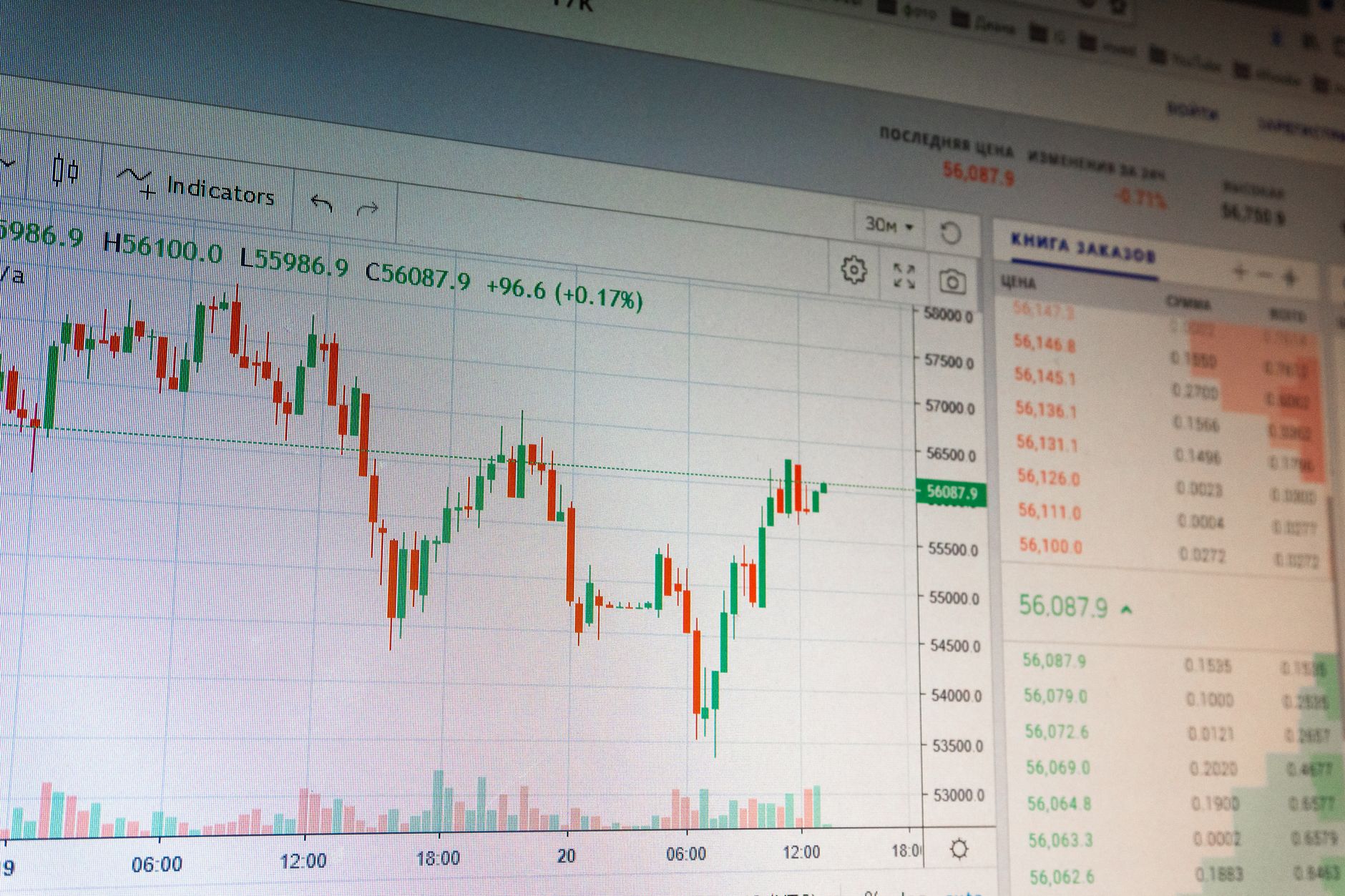
In a striking divergence of market behaviors, large Bitcoin investors, often termed 'whales', have substantially increased their holdings by acquiring over 270,000 BTC, valued approximately at $16.7 billion, even as U.S. institutions have pulled back, extracting a record $4.06 billion from Bitcoin-focused ETFs in June alone. This phenomenon was highlighted in a recent analysis shared by analysts at crypto exchange Bitfinex with CoinDesk.
The contrast between these two movements is not just a tale of differing investment strategies but also a reflection of the underlying currents that drive the cryptocurrency market. While ETF outflows signify a turning tide among institutional investors, possibly due to perceptions of high valuation risks or regulatory uncertainties, the aggressive accumulation by whales suggests a bullish sentiment in this cohort about the cryptocurrency's long-term value. This dichotomy is especially notable as it comes at a time when the spot premium - a metric indicating the eagerness of U.S. buyers - remained negative, suggesting that these large scale purchases were not driven by immediate demand from spot trading desks.
What might be causing this bold contrarian behavior by the whales? Several factors could be at play. Foremost, experienced investors might be viewing the current market conditions as a prime buying opportunity, speculating that the market downturn is temporary. In the broader sense, this could also indicate a strategic positioning for a anticipated market rebound or a hedge against inflationary pressures evident in traditional markets. Furthermore, the decentralization of substantial Bitcoin holdings away from the more volatile exchange environments-a trend we have addressed in our examination of crypto on- and off-ramping solutions-might also be motivating these investors to increase their direct control over their cryptocurrency assets.
This situation also casts a spotlight on the importance of understanding the liquidity dynamics within cryptocurrency markets. The ETF outflows leading to $4.06 billion suggests not only a retreat by some risk-averse players but also presents potential liquidity challenges that could affect price stability and market depth. Whales increasing their stakes could be seen as an attempt to counterbalance these outflows, adding a layer of complexity to market predictions and potential strategies for both retail and institutional investors.
In conclusion, the actions of Bitcoin whales and institutional investors underscore a broader narrative of divergent strategies that serves as a microcosm of the larger, multifaceted crypto economy. Each movement reflects distinct beliefs about the future of Bitcoin and, by extension, the crypto market's evolving nature. For stakeholders within this space, maintaining a nuanced view of these dynamics is essential for navigating the currents that shape this continually evolving landscape.

