
Meta is reportedly exploring the development of a wearable AI device in the form of a pendant.
Meta's latest foray into AI-enhanced wearables, featuring a smart pendant and an expanded lineup of AI glasses, signals an aggressive push to embed hardware into its offerings, despite the financial woes of Reality Labs, which saw a $4 billion loss in the early part of the year. As Meta rolls out its 'Wearables for Work' subscription service, the success of these devices will crucially depend on overcoming consumer privacy concerns and proving their utility in both personal and professional realms.
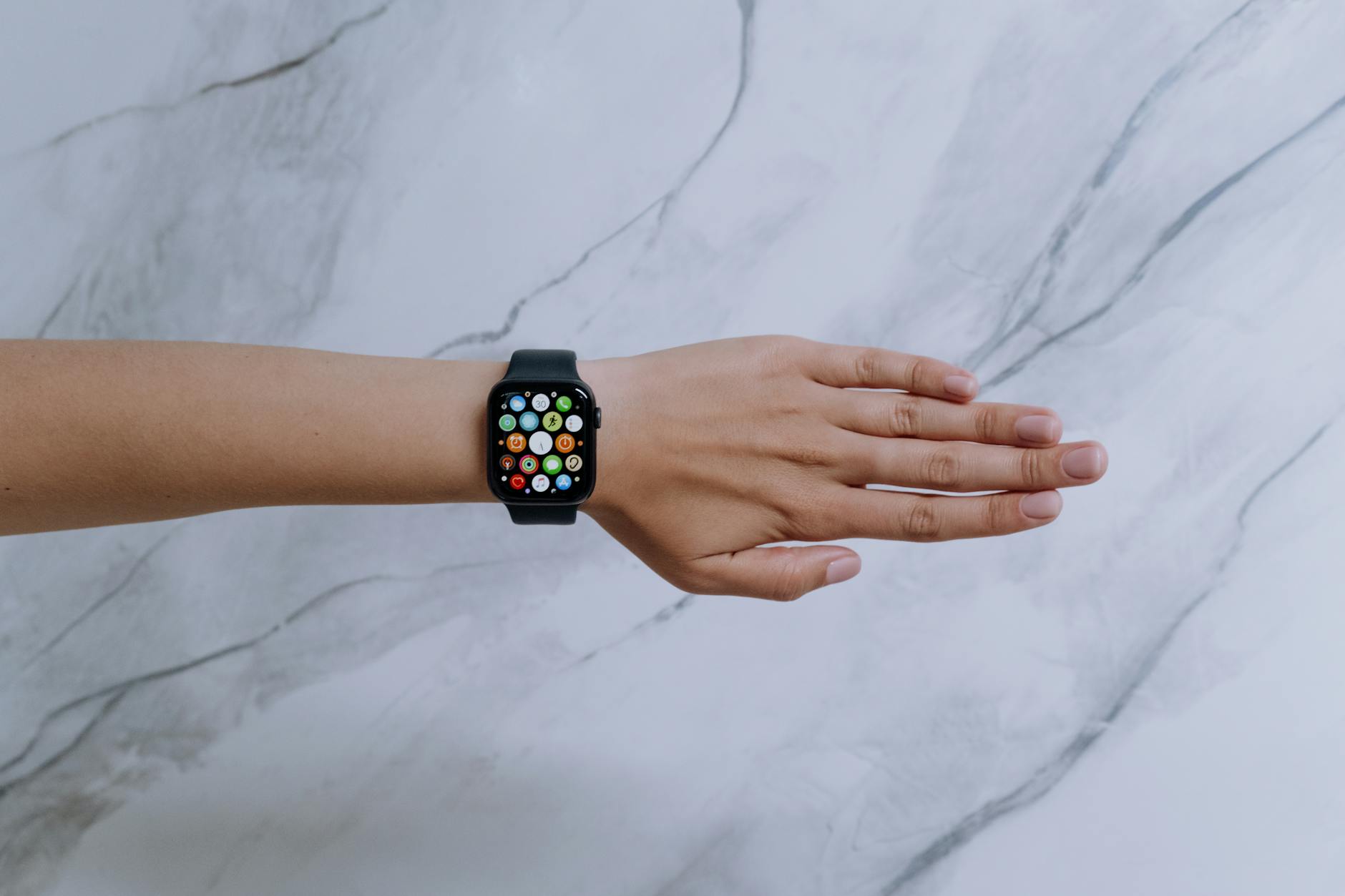
Meta is once again dipping its toes into the wearable AI market, this time with a pendant that might just be smart enough to wear around your neck. After acquiring Limitless at the end of 2025, a startup known for its AI-enhanced pendants that recorded conversations, Meta is not shy about its ambitions to forge ahead in the realm of AI wearables. According to a memo reported by TechCrunch, Meta's new project aims to refine and possibly redefine wearable tech.
The concept isn't new, nor has it been wildly successful in previous incarnations. Previous AI wearable devices have generally fallen flat with consumers, possibly due to privacy concerns or simply because they didn't deliver enough utility to justify their existence. Tech enthusiasts might recall when Google Glass stirred similar discussions, becoming more of a cautionary tale about privacy overreach than a must-have gadget. Yet, Meta's push into AI wearables, including an expanded lineup of AI glasses and a new business subscription service dubbed Wearables for Work, signals a relentless pursuit to anchor hardware to its portfolio-despite Reality Labs hemorrhaging $4 billion in the first quarter of this year alone.
The pivot to integrate AI into everyday accessories could either be seen as a bold move or a desperate clutch at straws, especially in the face of such financial losses. But it’s not just about selling hardware; it’s about shaping how intertwined we are willing to be with technology. The key selling point here seems to be the notion of a seamless, hands-free digital experience, coupled perhaps with Meta's intention to gather voluminous amounts of data.
However, the success of such AI wearables will hinge significantly on user trust-a commodity that's in notably short supply when it comes to data privacy. Merging AI into something as personal as a piece of jewelry adds a layer of intimacy to this already complex puzzle. How will Meta navigate the murky waters of consumer privacy while trying to innovate? Moreover, how will they convince the public that keeping an AI on their person all day is more beneficial than it is intrusive?
The broader picture also involves how these devices could mesh with professional needs. Meta’s Wearables for Work suggests a targeted approach towards business professionals, possibly integrating with virtual meetings, enhancing productivity, or managing workplace interactions. This move might mirror or possibly integrate aspects of financial technology, where efficiency and seamless integration are paramount, much like the solutions seen in Radom's offerings for streamlined crypto payments.
In essence, while Meta's new venture is ambitious, it straddles the fine line between innovation and privacy invasion. The challenge will not just be in creating a device that people want but one that they feel comfortable integrating into the fabric of their everyday lives-literally and figuratively.
Exploring how this affects your payment flow?