
Mexico vs. England at the Azteca Highlights Cryptocurrency's Role in Global Sports Events
As FIFA partners with Kraken to introduce blockchain-powered ticketing solutions at Estadio Azteca, this pioneering move aims to combat fraud and scalping, setting a new standard for securing event admissions digitally. This integration not only enhances security but also explores new fan engagement strategies through crypto-centric promotions and Bitcoin rewards, signaling a significant shift in how global sports events leverage digital currencies.
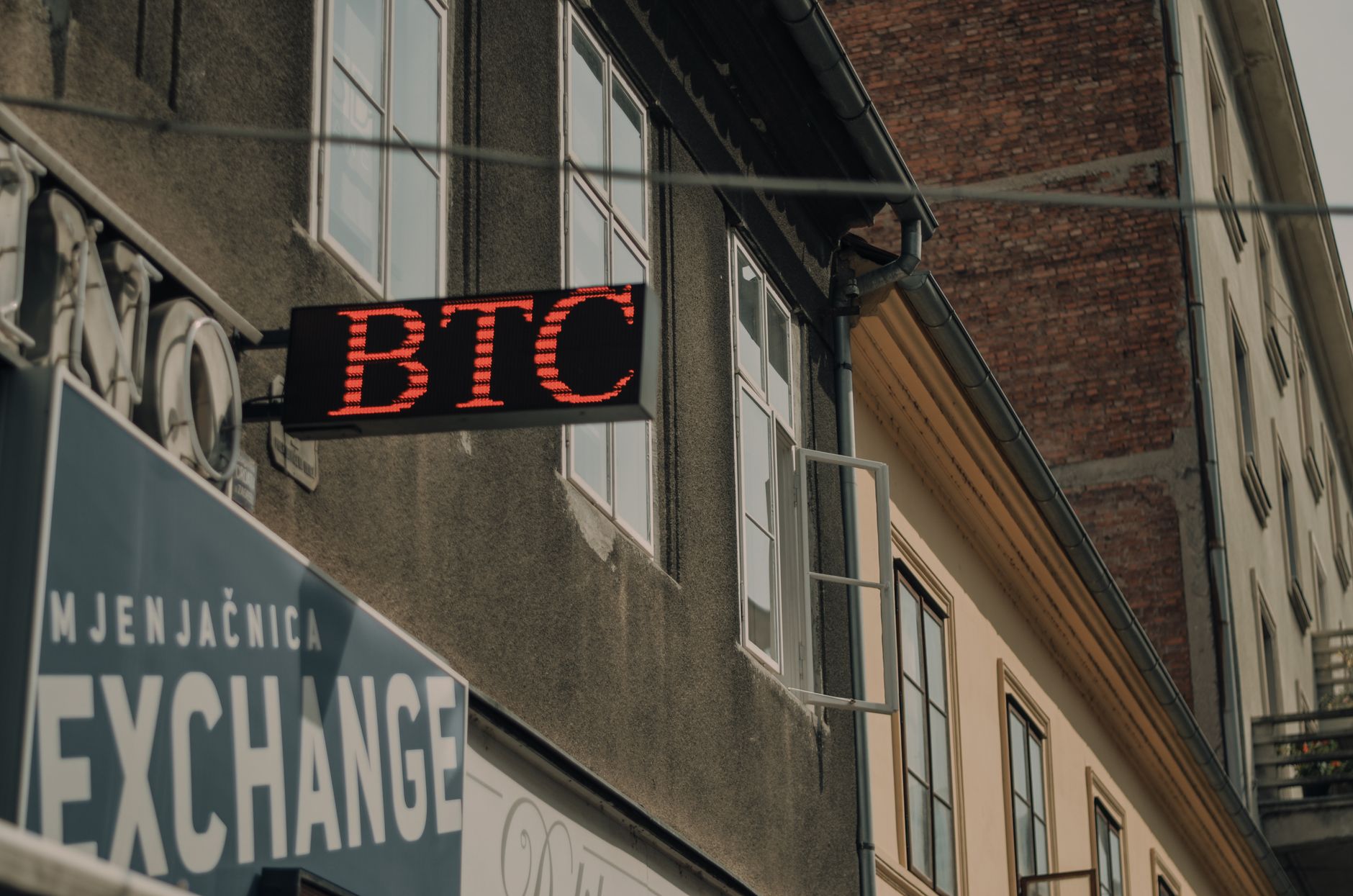
As Mexico and England prepare to face off at Estadio Azteca, the spotlight isn't just on the athletes but also on the burgeoning integration of cryptocurrency within global sports arenas. The announcement of Kraken as FIFA's Official Crypto Exchange Supporter not only marks a significant milestone in sports sponsorships but also paves the way for an intriguing blend of fan engagement driven by digital currencies.
This partnership, as detailed by Crypto Briefing, introduces a myriad of crypto-centric initiatives including trading promotions and Bitcoin rewards. However, what's truly captivating is the live test of Avalanche’s blockchain technology for ticketing. This initiative is poised to tackle issues like fraud and scalping by securing each ticket on a blockchain, ensuring that every swipe of the turnstile is accounted for digitally.
Aside from ticketing, the surge in trading volumes for sports-related tokens such as CHZ hints at a growing trend where sports fandom intersects with digital asset trading. This isn't just about fans supporting their teams but about them investing in a tokenized ecosystem that fluctuates with the highs and lows of sports events. Similarly noteworthy is the upswing in Bitcoin betting noted during World Cup events. Platforms like Cloudbet are seeing spikes in activity that coincide with match days, exemplifying another layer of crypto engagement.
While the fanfare and the flashing lights are captivating, there’s a practical side to this crypto-sports fusion that warrants a closer look. The operational mechanics of using blockchain for event ticketing at a scale as large as FIFA's World Cup could set a precedent for other events worldwide. Issues of scalability, user experience, and integration with traditional systems come into play. Here, the real test will be in the seamless execution of these technologies under the global gaze.
Moreover, investors and enthusiasts should keep an eye on how this crypto adoption influences fan behavior beyond the stadiums. Will the regular sports fan who cheers in the stands also begin to engage more regularly with crypto products? Or will the complexity and volatility of these digital assets deter the less tech-savvy audience?
As this integration deepens, entities like Radom.com offer on- and off-ramping solutions that could become crucial for fans looking to transition between fiat and crypto seamlessly. Whether purchasing merchandise, tickets, or trading tokens, the importance of efficient conversion mechanisms cannot be understated in fostering broader adoption.
So, as you tune in to the cheers echoing from the Azteca, remember that the real game may be occurring off the pitch-in the exchanges, wallets, and blockchain ledgers ticking away with each goal scored. And in this game, every player-from the fan to the financier-has a stake.