
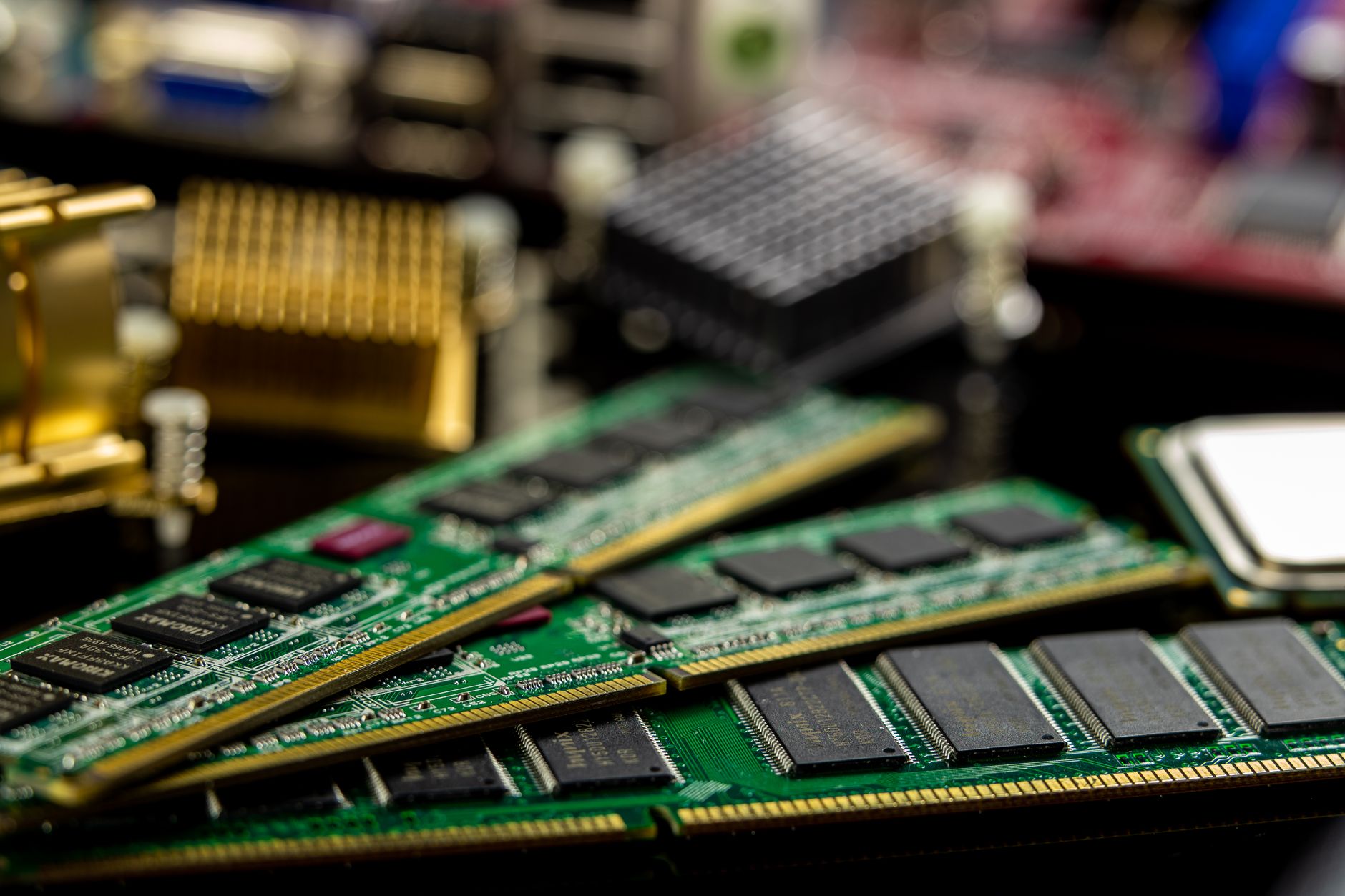
Micron Technology has flipped the script on what it means to be a wildly profitable tech company. In its fiscal Q3 2026 report, the firm didn't just exceed revenue expectations; it catapulted itself into a profitability stratosphere where few can breathe-posting an eye-popping 84.9% gross margin and positioning itself as the potential third most lucrative U.S. firm, trailing only Nvidia and Google.
Behind these staggering numbers lies the insatiable appetite of the AI sector for high-bandwidth memory (HBM) chips, a niche where Micron has not just participated but dominated. The company's strategic foresight to ink long-term supply deals with heavyweight clients like Nvidia, as highlighted by Crypto Briefing, has paid off handsomely. These agreements buffer Micron from short-term market fluctuations and ensure a steady demand, fortifying its market position amidst a global chip shortage that’s pushing demand to unprecedented levels.
The broader implication here for investors is clear. While Nvidia and its ilk capture the limelight with flashy AI advancements, the real gold rush may be in the underlying hardware that powers these technologies. Micron’s financials are a testament to that, suggesting that the memory sector might be where the smart money needs to consolidate, especially given the enduring global chip shortage projected to linger into 2027 and beyond.
However, no gold rush lasts forever. The risk of mean reversion is a looming reality. Giants like Samsung and SK Hynix are ramping up their HBM production capabilities. This increased supply could eventually stabilize the market and erode Micron’s current pricing advantage. This potential future underscores the importance of strategic agility-investors and analysts alike should keep a keen eye on how Micron adapts to these shifts.
The memory chip sector, often overlooked next to its flashier semiconductor cousins, is proving to be a battleground of profitability in the tech industry’s relentless march towards more advanced AI solutions. As we observe this evolving landscape, it might also be wise to reflect on broader implications, such as those explored by Radom Insights regarding how supply chain shifts can affect global payment structures and financial compliance frameworks.
For now, Micron is sitting pretty atop a lucrative wave of demand for its memory products. But as history in tech often tells us, today’s leader could be tomorrow’s footnote. The challenge for Micron? Continuing to innovate and outmaneuver not just in the marketplace, but also in the production lines and negotiation tables where the next era of tech battles will be fought.

