
Morning Update: Key Cryptocurrencies Decline Amid Rising Tensions in Iran, Shifts in ETF Investments
Amidst a turbulent financial backdrop marked by geopolitical tensions and shifting ETF investments, the cryptocurrency market has taken a hit, with Bitcoin plunging below $73,000 and Ethereum dipping under $2,000, raising questions about the sensitivity of crypto investors to external events. This current financial episode is punctuated by significant Bitcoin ETF outflows totaling over $1 billion, signaling a possible shift in investor strategy during uncertain times.
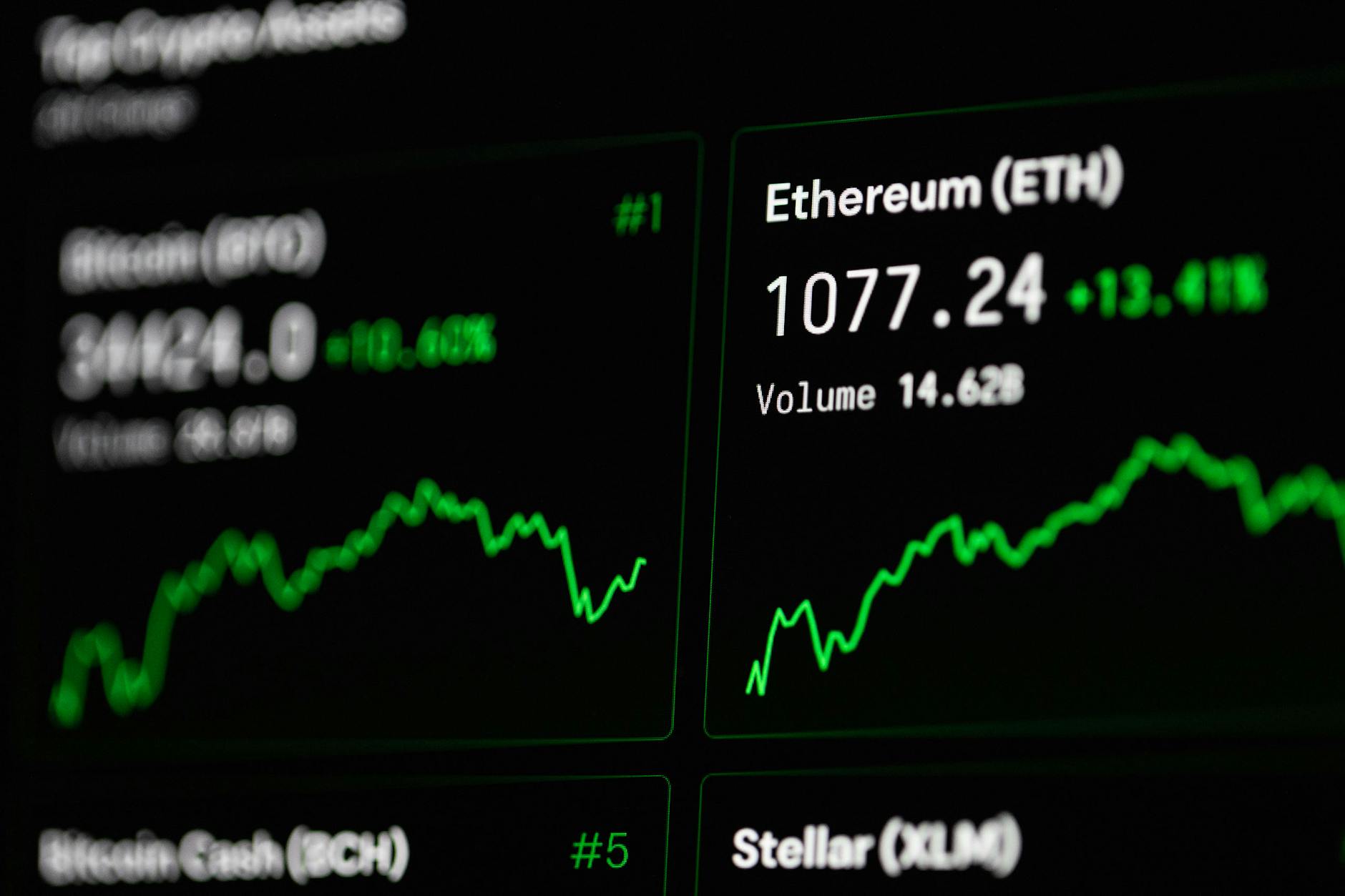
As sunrise brings light to the geopolitical tensions in Iran and notable shifts in ETF investments, the cryptocurrency markets have responded with a somber mood, witnessing a distinct decline in key cryptocurrency valuations. Bitcoin has notably dropped below the $73,000 mark, a fall of 3.4%, reflecting the worst day of Bitcoin ETF outflows this year, according to Decrypt. This isn't just a bad day at the office; it's a potential trendsetter for how external geopolitical tensions and internal market movements are increasingly intertwined.
Not solely a Bitcoin saga, other major cryptocurrencies like Ethereum have also felt the chilly breeze of market skepticism, dropping below $2,000, a sight not seen since April. Such market behaviors beg the question: are cryptocurrency investors becoming increasingly sensitive to traditional geopolitical events, or is this a reaction strictly to movements within financial vehicles like ETFs?
The significant outflows from Bitcoin ETFs-totaling over $1 billion in just two sessions-paint a grim picture. It appears that investor confidence is waning, or perhaps, investors are becoming more strategic, possibly anticipating further downturns or reallocating resources to more stable investments in uncertain times. This kind of strategic withdrawal from crypto ETFs is noteworthy, not merely for its immediate impact on market prices but for what it suggests about the evolving philosophy of crypto investors themselves.
On the flip side, we're seeing an intriguing counter-narrative with the projection of a $1 trillion public crypto market, spurred by the impending wave of crypto and blockchain-related IPOs. As firms like Kraken and Blockchain.com inch closer to public listings, there's an optimistic view that once the current market hurdles are cleared, there could be a substantial influx of institutional money poised to stabilize and grow the market infrastructure.
This dual narrative of immediate withdrawal and long-term investment sets a complex stage. On one hand, there is clear caution driven by immediate financial climate and geopolitical instability. On the other, there remains a strong belief in the long-term viability and transformative potential of cryptocurrencies and blockchain technology.
Furthermore, the slight shift in crypto’s political spending towards more Republican-aligned PACs could signal a broader strategic alignment intended to foster a more favorable regulatory environment in the United States. Such maneuvers suggest that the crypto industry isn’t just reacting defensively to market fluctuations but is also playing an active role in shaping the regulatory and political landscapes that will define its future.
As market participants, stakeholders, and observers, we are witnessing an intricate dance of tactical retreats, strategic advances, and a recalibration of investment strategies. The coming months will likely reveal whether these movements are mere reactionary pulses or part of a longer, more deliberate strategy aimed at navigating through the labyrinth of geopolitical tensions, market speculations, and emerging regulatory frameworks.
From a broader perspective, as outlined in a recent Radom Insights post, the ability of Ethereum to hover around the $2,000 mark despite significant market pressures highlights both the resilience and the underlying volatility that define today's cryptocurrency markets. Investors and market spectators would do well to keep a close eye on these developments, as they will not only affect investment portfolios but could also dictate the pace at which new financial technologies are adopted and integrated across global markets.
Exploring how this affects your payment flow?

