
Netflix Pioneered the Binge-Watching Model, But Its Future May Lie Beyond
As consumer preferences evolve towards shorter, more digestible content formats, Netflix is pressed to adapt by rethinking its traditional binge-watching model and exploring new strategies like serialized short-form content and miniseries. This strategic pivot is critical as platforms like YouTube and TikTok, which cater to rapidly decreasing attention spans with bite-sized videos, continue to capture more of the market's average daily viewing time.
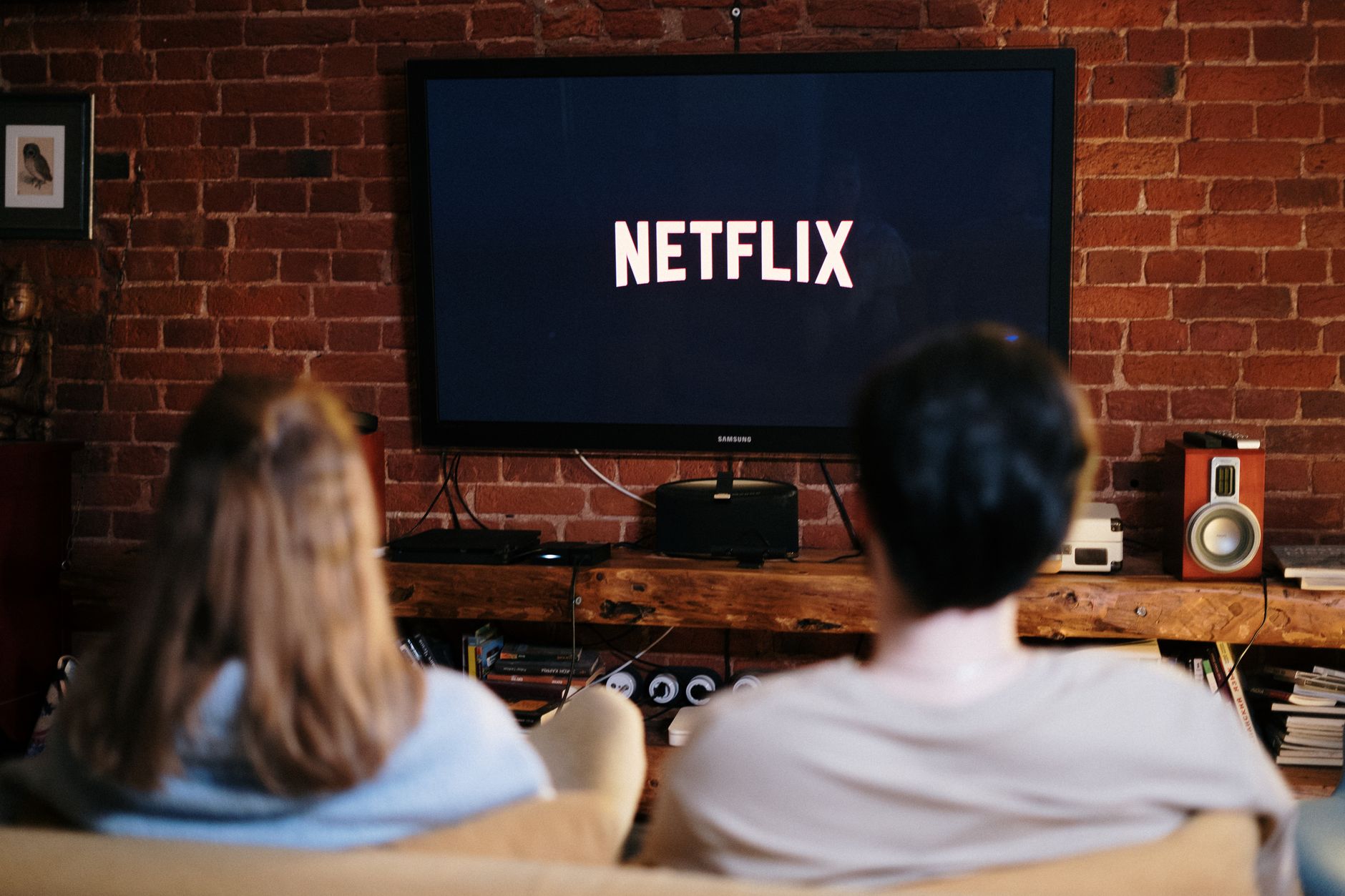
Netflix, once a groundbreaking pioneer in the streaming service industry with its binge-watching model, now faces a critical juncture as consumer behavior shifts toward shorter, more digestible content formats. This transition is underscored by a recent TechCrunch report which suggests that today's viewers are increasingly likely to abandon popular shows before reaching the second season, a trend that could spell a need for strategic adaptation at Netflix.
Binge-watching was a novel concept when Netflix introduced it with the release of "House of Cards" in 2013. This format was perfectly suited to the era, providing a compelling alternative to the episodic, ad-filled schedules of traditional TV. It redefined viewer engagement, enabling audiences to form quicker emotional connections with the characters and plot, enhancing the overall stickiness of the platform.
However, as the streaming giant faces rising competition from platforms like TikTok and YouTube, which cater to rapidly decreasing attention spans with bite-sized videos, Netflix's traditional model seems progressively antiquated. Evidence of this shift is further supported by viewership patterns, where platforms offering shorter content forms are on the rise. For instance, Digital i's report highlighting that YouTube has surpassed Netflix in average daily viewing time, underscores the urgency for Netflix to reassess its content strategy.
The transformation in consumer preferences suggests that viewers are favoring 'finishable' entertainment - content that can be started and completed in one sitting, much like a video on YouTube or a series on TikTok. Recognizing this, Netflix has already begun experimenting with formats that could potentially capture the interests of a rapidly evolving audience, including the introduction of a TikTok-like feed to suggest new content. However, this feature serves more as a discovery tool rather than as standalone entertainment, which might not be enough to hold the audience's attention.
Rethinking content length and release strategies could be beneficial. For instance, there is growing appreciation for miniseries or limited series, which provide a comprehensive viewing experience without the commitment required for multiple seasons. Netflix could also explore more serialized short-form content, which could appeal to viewers accustomed to the episodic releases of YouTube series or mobile-native platforms like the rising microdrama apps mentioned in industry reports.
Moreover, Netflix's trial with different content strategies, such as its venture into live content and sports, although innovative, has not yet significantly shifted its market standing according to the viewer engagement metrics. This suggests that while experimentation is vital, a more focused strategy on enhancing content engagement through tailored formats could offer better dividends.
For instance, the success of platforms like ReelShort and DramaBox, which offer microdrama series, indicates a market demand for high-quality, short-duration content that Netflix could potentially satisfy given its production capabilities and deep industry knowledge. By producing compelling narratives that are aligned with modern consumption patterns, Netflix could redefine norms yet again, much like it did with binge-watching.
Additionally, leveraging its existing strengths, such as high production values and strong brand identity, Netflix could considerably enhance the appeal of its shorter content offerings. This doesn't necessarily mean moving away from producing series or films but rather complementing its portfolio with varied formats that meet the diverse needs and preferences of its global audience.
Ultimately, the shift in viewer habits invites a redefinition of what 'watching TV' means in the modern era. Netflix, which once led the charge in transforming traditional television viewing, now needs to once again innovate and adapt to stay relevant in a market where the consumers' definition of engaging content is rapidly evolving. By embracing the challenges posed by new consumption patterns and the competitive pressures from platforms like YouTube and TikTok, Netflix can aim to lead the next wave of innovation in the streaming content space.

