
Nvidia Unveils Alpamayo 2 Super, Setting a New Standard in AI Models for Autonomous Vehicles
Nvidia's Alpamayo 2 Super model represents a significant advancement in autonomous vehicle technology, featuring a 32-billion-parameter AI capable of complex reasoning and proactive decision-making in real-time urban traffic scenarios. This breakthrough, unveiled at GTC Taipei, promises to enhance safety and efficiency on the roads, while also posing new challenges for regulatory and urban development frameworks.
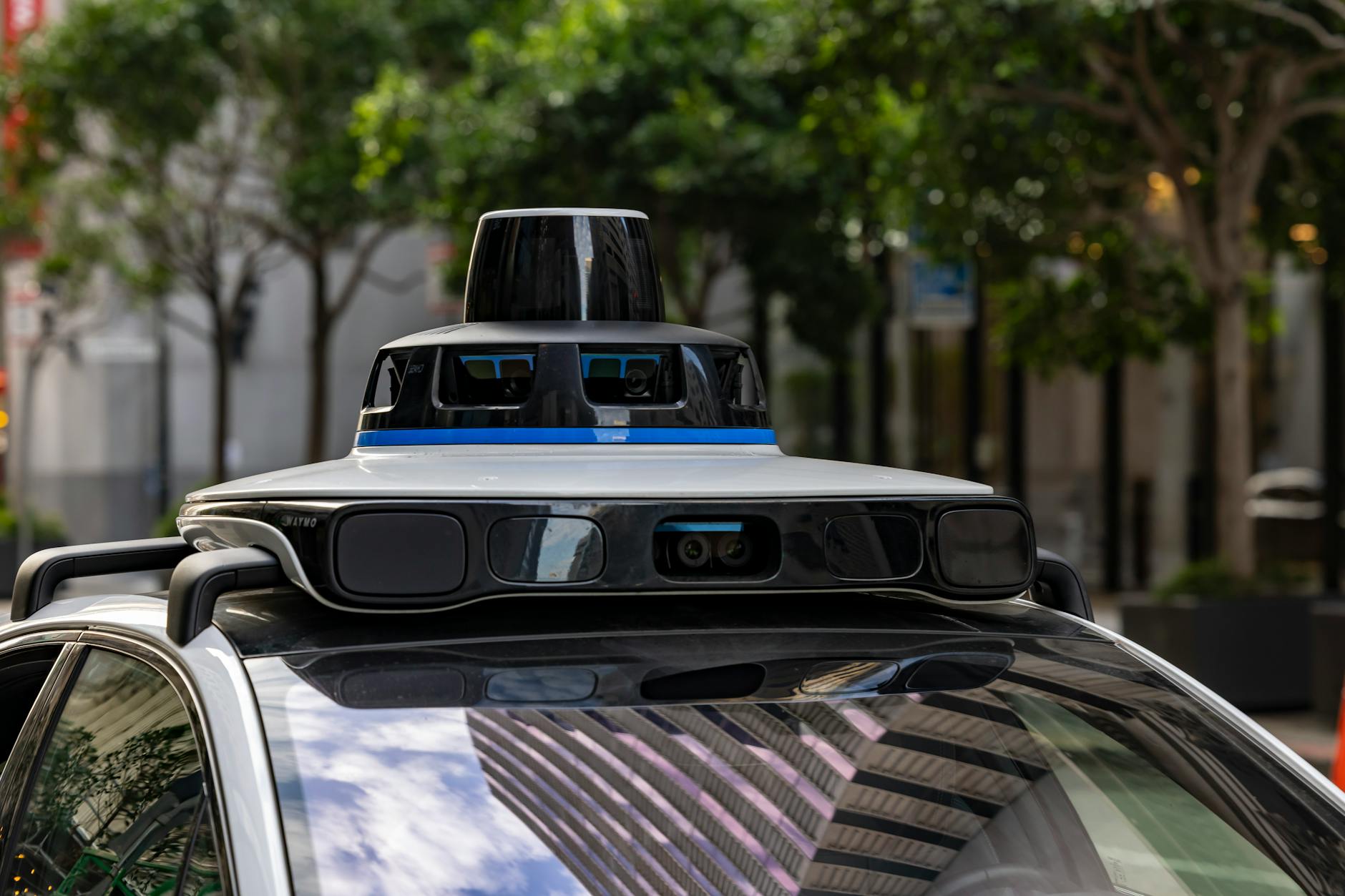
In a significant leap towards fully autonomous vehicles, Nvidia has recently unveiled its Alpamayo 2 Super model at GTC Taipei, setting a new benchmark with its 32-billion-parameter AI designed to navigate the complex realities of urban traffic. This development, as reported by Crypto Briefing, signals a critical pivot from mere route plotting to sophisticated reasoning and proactive decision-making in real-time driving scenarios.
The Alpamayo 2 Super, an advanced vision-language-action (VLA) model, goes beyond traditional trajectory generation by engaging in what is known as chain-of-thought reasoning. This means that the system can interpret visual data, process it through a complex reasoning mechanism, and then execute driving decisions that account for the unpredictable elements of human-dominated roadways. The evolution from its predecessor, the Alpamayo 1, which housed 10 billion parameters, reflects a significant amplification in capability and potential, highlighting the rapid pace at which autonomous driving technology is advancing.
What makes the Alpamayo 2 Super particularly intriguing is the partnership dynamics Nvidia has nurtured. Companies like Uber, Lucid, and Jaguar Land Rover are not just early adopters but are pivotal to refining the model's practical applications. Uber’s involvement is especially noteworthy considering its previous retreat from developing autonomous driving technologies internally. This partnership might hint at a strategic realignment where Uber aims to integrate cutting-edge external technologies rather than building from scratch, a move that could accelerate deployment of autonomous vehicles in commercial environments.
The implications of such technological advancements are profound not just for the automotive industry but for urban planning and environmental strategies. Level 4 autonomy promises to decrease traffic incidents caused by human error, optimize traffic flow, and potentially reduce carbon emissions by improving vehicle efficiency. It also raises important regulatory and ethical questions that will need to be addressed as these vehicles move from controlled environments to everyday streets.
Moreover, the broader adoption of such technologies could lead to shifts in related financial and technological markets. For companies invested in the development of autonomous vehicles or those part of the supply chain, like microchip manufacturers or AI development platforms, the growth trajectory might see a stark revaluation. Understanding these shifts, as discussed in a recent Radom Insights post, could provide crucial insights for stakeholders and investors trying to navigate this evolving landscape.
In conclusion, Nvidia's Alpamayo 2 Super is not just a technical upgrade in the autonomous driving arena; it is a beacon for the potential shifts in transport infrastructure, regulatory frameworks, and urban development policies. As we edge closer to high-level autonomous driving, the ripple effects across multiple domains underscore the importance of strategic adaptation and regulatory foresight.
Exploring how this affects your payment flow?

