
Oil Prices Spike as Trump's Firm Stance on Iran Raises Tensions, Impacting Bitcoin and Stock Markets
President Trump's demand for Iran's "unconditional surrender" has not only heightened geopolitical tensions but also led to a significant surge in oil prices, nearing $90 per barrel, and impacting broader financial markets including a downturn in Nasdaq futures and a decline in Bitcoin values. This sequence of events poses challenges for inflation control and reveals the complex interdependencies within global financial ecosystems, affecting everything from traditional markets to cryptocurrency valuations.
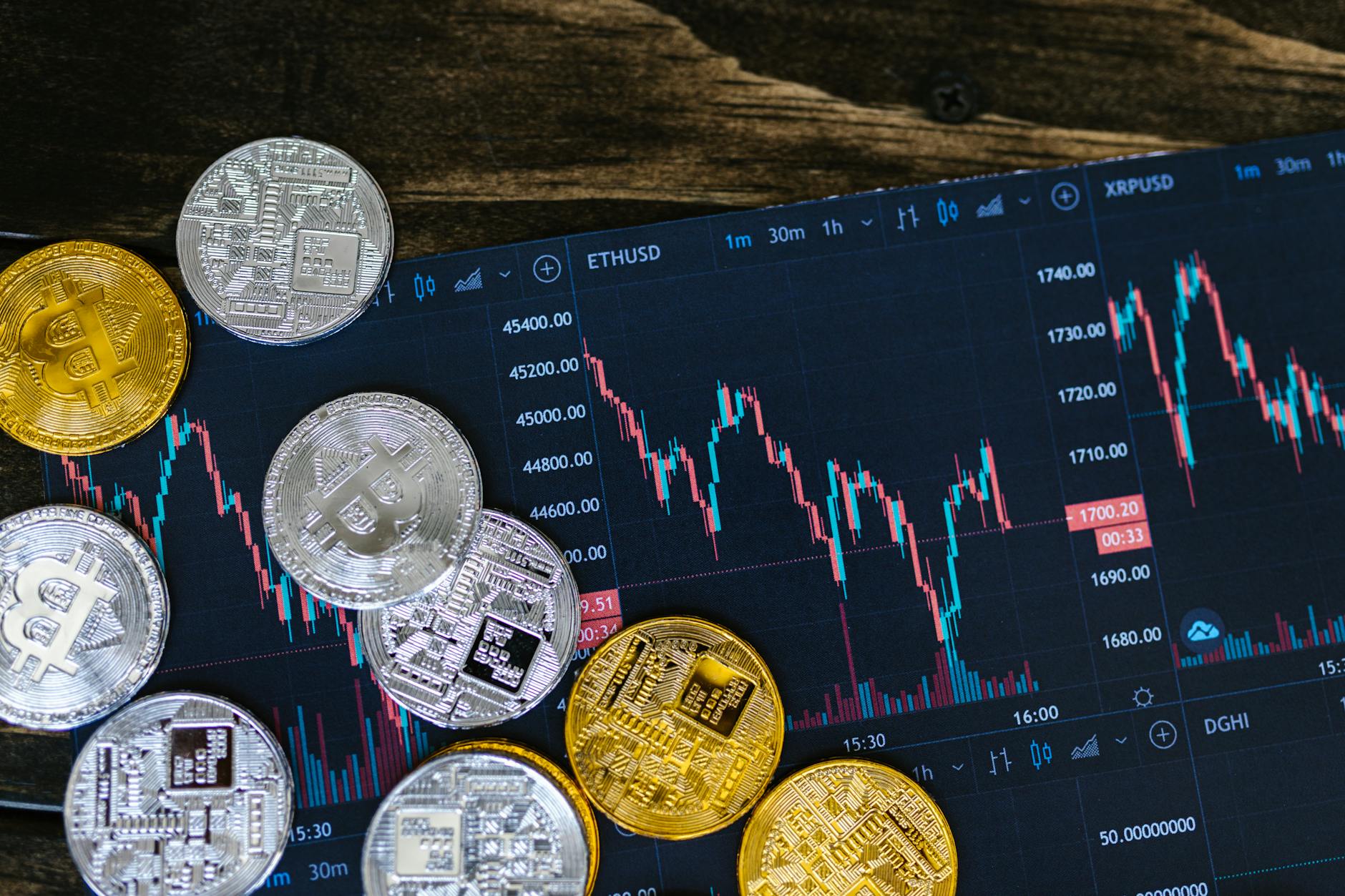
In an assertive move that has sent ripples across global markets, U.S. President Donald Trump has dismissed any possibility of a negotiated deal with Iran, explicitly demanding "UNCONDITIONAL SURRENDER." This stance, shared via Truth Social, has not only intensified geopolitical tensions but also triggered a notable surge in oil prices, with WTI crude oil reaching a multi-year peak near $90 per barrel. This development has subsequent ramifications on broader financial ecosystems, including a notable downturn in Nasdaq futures and a sharp dip in Bitcoin value.
The effects of these geopolitical shifts are multi-faceted. On one hand, the surge in oil prices poses a direct challenge to inflation control efforts, potentially complicating the Federal Reserve's strategies, which have been intensely focused on managing inflation without stifling growth. Notably, this escalation arrives amid a weakening U.S. economy, evidenced by a surprising drop in job creation and a slight uptick in unemployment rates. February saw an unexpected decline of 92,000 jobs, signalling a cooling labor market that's been under pressure for some time.
From a cryptocurrency perspective, the influence of global geopolitical tensions and economic shifts on Bitcoin's valuation cannot be understated. Bitcoin, which often thrives as a 'digital gold' during times of uncertainty, paradoxically dipped by 5% to a new session low of $68,800. The decline in crypto prices amidst market turmoil is a complex phenomenon, reflecting investor sentiment and broader shifts in risk appetite. Such market reactions underscore the interconnected nature of global financial systems where traditional and digital asset spheres influence one another significantly.
Amid these shifts, the role of crypto in broader financial ecosystems becomes even more pertinent. As traditional markets experience volatility, the case for digital assets as alternative investments could strengthen. However, this is contingent on the volatility patterns of cryptocurrencies themselves. For instance, platforms that facilitate on- and off-ramping solutions could see increased activity as traders and investors look for quick liquidity options or safe havens in response to global financial pressures.
Furthermore, the ongoing situation could influence fintech infrastructure and regulatory landscapes. Increased oil prices and economic uncertainties might push regulatory bodies to adopt a more cautious approach towards emerging technologies and financial instruments, including cryptocurrencies. This could affect how services related to crypto payments and financial transfers are governed and facilitated across borders. It’s a pivotal moment for stakeholders within the crypto sector to navigate through heightened scrutiny and potential regulatory shifts.
Conversely, such economic and geopolitical conditions could accelerate the adoption of crypto solutions in regions severely impacted by market fluctuations and currency devaluations. For instance, countries experiencing hyperinflation might see increased use of cryptocurrencies as an alternative to unstable local currencies. This would not only alter the crypto landscape but also potentially stabilize regions economically by providing more resilient mediums of exchange.
In conclusion, President Trump's firm stance on Iran and its cascading effects on global markets, including significant shifts in oil prices and stock market dips, present both challenges and opportunities within the fintech and cryptocurrency spheres. As traditional financial systems and digital asset markets continue to intertwine, the impact of geopolitical events will likely become more pronounced, influencing everything from market sentiment to regulatory frameworks. For the crypto community and investors, staying informed and agile remains crucial in navigating these turbulent waters.
Exploring how this affects your payment flow?