
As OpenAI gears up for its public offering, it's loading its executive bench with notable names from both the tech and political realms - Noam Shazeer and Dean Ball. This strategic bolstering of the team is more than just a routine staffing update; it is a calculated play in the high-stakes game of AI development and governance, positioning OpenAI at a crucial intersection of technology and policy.
Noam Shazeer, a key figure behind the transformative Transformer architecture, brings a wealth of AI expertise to OpenAI. His move from Google, as reported by TechCrunch, isn't just about transfer of talent, but also a potential shift in intellectual property dynamics in the AI sector. The knowledge and insight Shazeer carries could significantly shape OpenAI’s technological trajectory, potentially fueling innovations that keep the company at the forefront of the AI race.
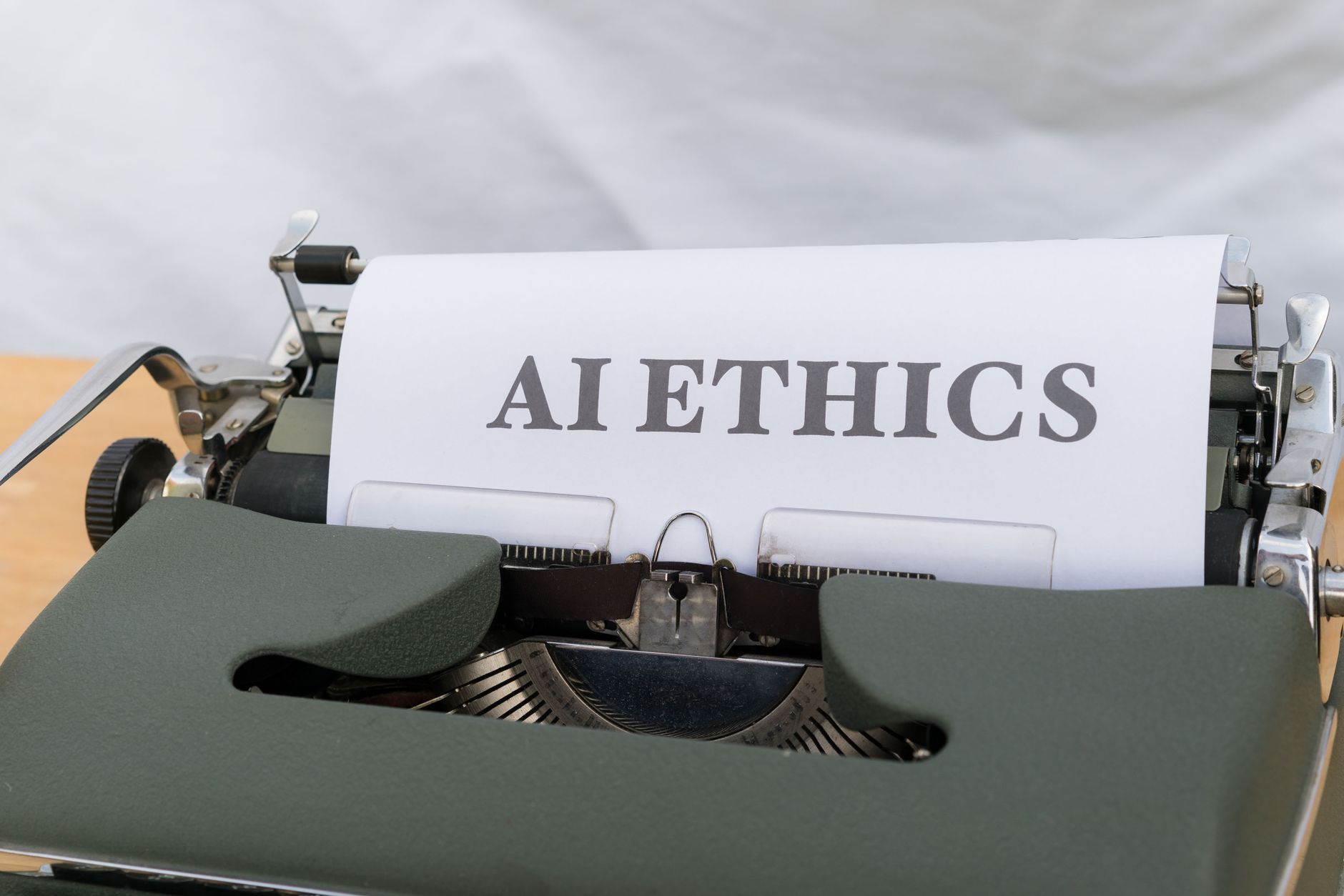
On the policy front, Dean Ball's recruitment is equally significant. With a background in AI policy under the Trump administration and a return to the Foundation for American Innovation, Ball’s role at OpenAI isn’t just another policy position. It is, as he puts it, about shaping 'frontier AI policy' at a time when AI governance is becoming ever more critical. The creation of the Strategic Futures team, focusing on catastrophic risk and the relationship between AI labs and the government, underscores an increasingly evident truth - AI labs can't operate in a vacuum, independent of geopolitical and societal impacts.
This dual-track enhancement of technical and policy leadership highlights a larger trend within the tech industry where companies are preparing not just to lead in innovation, but also in regulation. For AI enterprises, the link between groundbreaking technology and thoughtful governance cannot be overstated. OpenAI’s move mirrors broader industry dynamics where leadership in AI development increasingly demands a proactive approach to managing its societal implications.
Moreover, Ball’s role points towards a future where AI governance might indeed start 'in-house'. His statement about internal governance being central to AI's future isn't a mere prediction; it's a blueprint for how OpenAI plans to navigate the complex regulatory environments it operates within. This strategy not only prepares OpenAI for future regulatory challenges but also positions it as a leader in the responsible development of AI technologies.
As OpenAI continues to press forward, these appointments serve as a clear signal to the market and regulators alike: OpenAI is not just preparing for a financial milestone with its IPO, but is also laying the groundwork for substantial influence on how AI technology is shaped and governed in the future. If the AI arms race was just about technology until now, OpenAI’s latest moves remind us that the next frontiers are ethical, political, and deeply strategic.

