
Pagcor Introduces Around-the-Clock National Helpline to Support Gambling Addiction Recovery
The Philippine Amusement and Gaming Corporation (Pagcor) has launched a critical 24/7 national helpline to assist those battling gambling addiction, providing essential services such as psychological first aid and referrals for specialized treatment. This proactive measure by Pagcor enhances responsible gambling efforts and public health, setting a new benchmark for regulatory bodies and the iGaming industry worldwide.
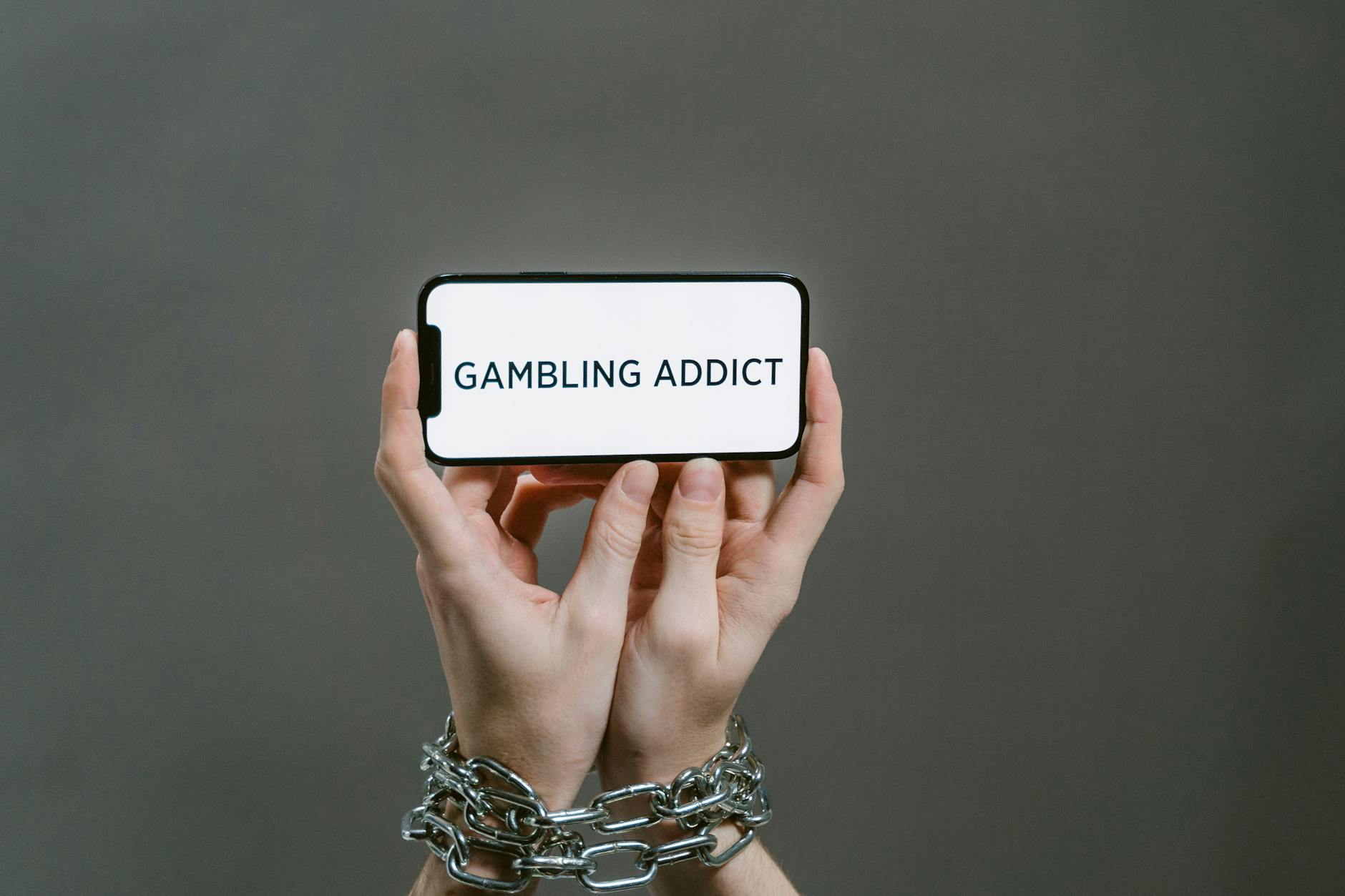
The Philippine Amusement and Gaming Corporation (Pagcor) has recently unveiled a 24/7 national helpline aimed at providing support for individuals struggling with gambling addiction. This initiative, reported by iGaming Business, is designed to offer psychological first aid, guidance, triage, and referrals for more specialized treatment. It marks a significant step towards reinforcing responsible gambling practices and supporting public health.
Problem gambling is an issue that transcends borders and industries, including the burgeoning sector of iGaming and online casinos. With the rise of digital platforms, the accessibility of gambling has increased, bringing with it a higher potential for addiction. The establishment of a helpline by Pagcor is an affirmative move towards addressing these challenges head-on. By ensuring that help is available round-the-clock, Pagcor not only provides a necessary safety net for those in immediate crisis but also embeds a structure of long-term support.
This development is particularly relevant when viewed through the lens of responsible digital transactions. As fintech and online gaming sectors continue to intersect more frequently, the implementation of safeguards such as these becomes crucial. It is an acknowledgment that while digital platforms can offer unprecedented convenience and accessibility, they also require equally robust measures to prevent abuse and support users' welfare.
For companies operating within the iGaming industry, such as those integrating financial technology and digital payments, this initiative by Pagcor could serve as a blueprint for compliance and ethical operation. By adopting similar measures, businesses can not only align with regulatory expectations but also enhance their service integrity. In fact, platforms like Radom, which offer specialized payment solutions tailored to the iGaming sector (seen in Radom's solutions for the iGaming sector), might consider integrating such supportive measures directly into their frameworks to ensure a safer environment for users.
Moreover, the introduction of the helpline aligns with global trends advocating for greater corporate social responsibility within the fintech and gambling industries. Initiatives that support mental health and tackle addiction play a critical role in fostering trust and sustainability in these sectors. They reflect a deeper understanding of the impacts these industries can have on individuals and communities, pushing for a balance between innovation and care.
Pagcor's move is a commendable step toward not only enhancing the safety nets available for gamblers but also setting a standard for other regulatory bodies and companies across the globe. It paves the way for a more responsible and empathetic approach to gambling, one that acknowledges the fine balance between enabling access and preventing harm. As the digital landscape continues to evolve, it will be imperative for all stakeholders to continue prioritizing such initiatives that support both industry growth and individual well-being.
Exploring how this affects your payment flow?

