
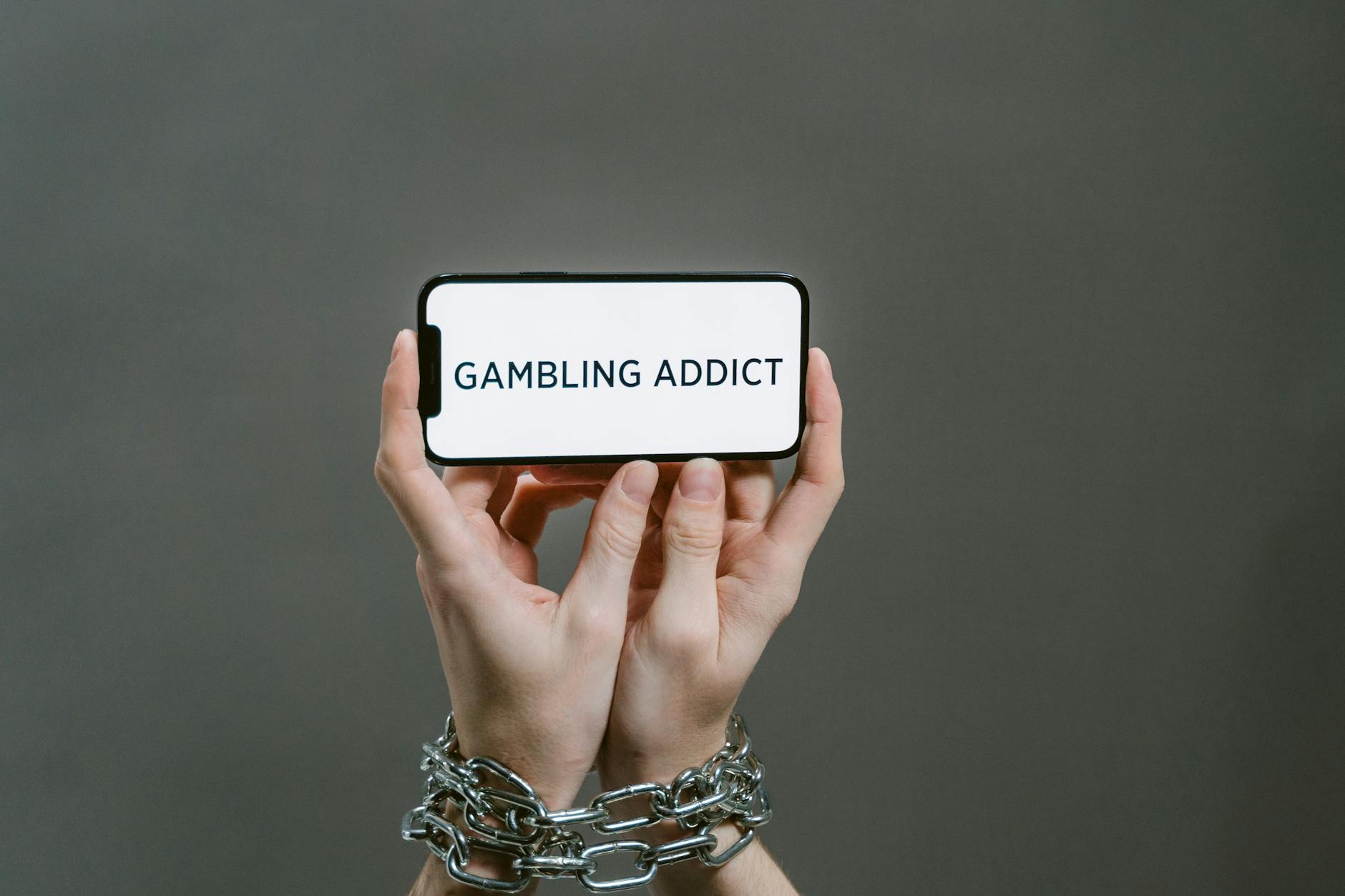
The recent decision by the Philippines to disentangle e-wallets from licensed iGaming platforms has marked a significant shift in the country's digital payment landscape. This directive, though seemingly straightforward, underscores deeper regulatory and ethical considerations that ripple through the sphere of online gaming and electronic transactions. As reported by iGaming Business, the immediate impact was a noticeable dampening of e-games revenue growth-a sector that had previously seen a robust increase.
The third-quarter figures reflect a nuanced story. While overall gross gaming revenue in the Philippines remained stable, the makeup of these earnings shifted dramatically. The substantial year-on-year growth in e-games revenue, boasting an 82.67% increase in the first half of 2025 alone, plunged following the enforcement of the new payment policy in August. This regulatory action was not without its provocations. It came on the heels of rising concerns over gambling addiction, amplified by voices within the government and civil sectors pointing to the social costs outweighing fiscal gains.
The narrative around gambling addiction in the Philippines is poignant, with key figures like Senator Juan Miguel Zubiri and Erwin Tulfo advocating for stringent restrictions or outright bans on online gambling. Their concerns, which echo global anxieties about digital gambling practices, highlight the tension between economic incentives and social responsibilities. The Central Bank's directive to delink e-wallets like GCash and Maya from gambling platforms can be seen as a protective measure against predatory gaming practices that disproportionately affect the vulnerable.
However, the protective measures come with their own set of challenges. For instance, the delinking has not only affected revenue streams but also reshaped consumer behavior and payment dynamics within the sector. It prompts a question of balance-how to regulate without stifling innovation or unduly burdening legitimate businesses. At Radom, we navigate these complex regulatory landscapes, offering compliant solutions tailored for the iGaming industry, ensuring businesses can adapt to new rules while still fostering a safe and engaging environment for users.
Moreover, the shift towards stricter regulations showcases the potential for other payment technologies to fill the gap left by traditional e-wallets. Innovations in payment infrastructures, such as those that facilitate more transparent and controlled transaction flows, could come to the fore. This development presents both a challenge and an opportunity to reimagine how payments in sensitive industries like gaming can be managed more effectively and ethically.
In conclusion, the Philippines' new payment separation directive serves as a critical case study in balancing economic, ethical, and technological concerns within the rapidly evolving landscape of digital payments and online gaming. It reflects a broader global trend of tightening regulations in digital finance-a movement that calls for continuous innovation in compliance and payment solutions to align with both market needs and societal values.

