
Robinhood Introduces AI Trading Feature to Automate Investment Decisions, Reducing Need for Constant Market Monitoring
Robinhood's introduction of Agentic Trading and an AI-powered credit card marks a pivotal shift in retail trading, offering tools once exclusive to professional traders to the general public, thereby democratizing access to advanced market strategies. This innovation not only promises to enhance efficiency by automating tasks such as portfolio rebalancing and trade execution but also raises important questions about the implications of AI-driven financial decisions on market dynamics and investor risk management.
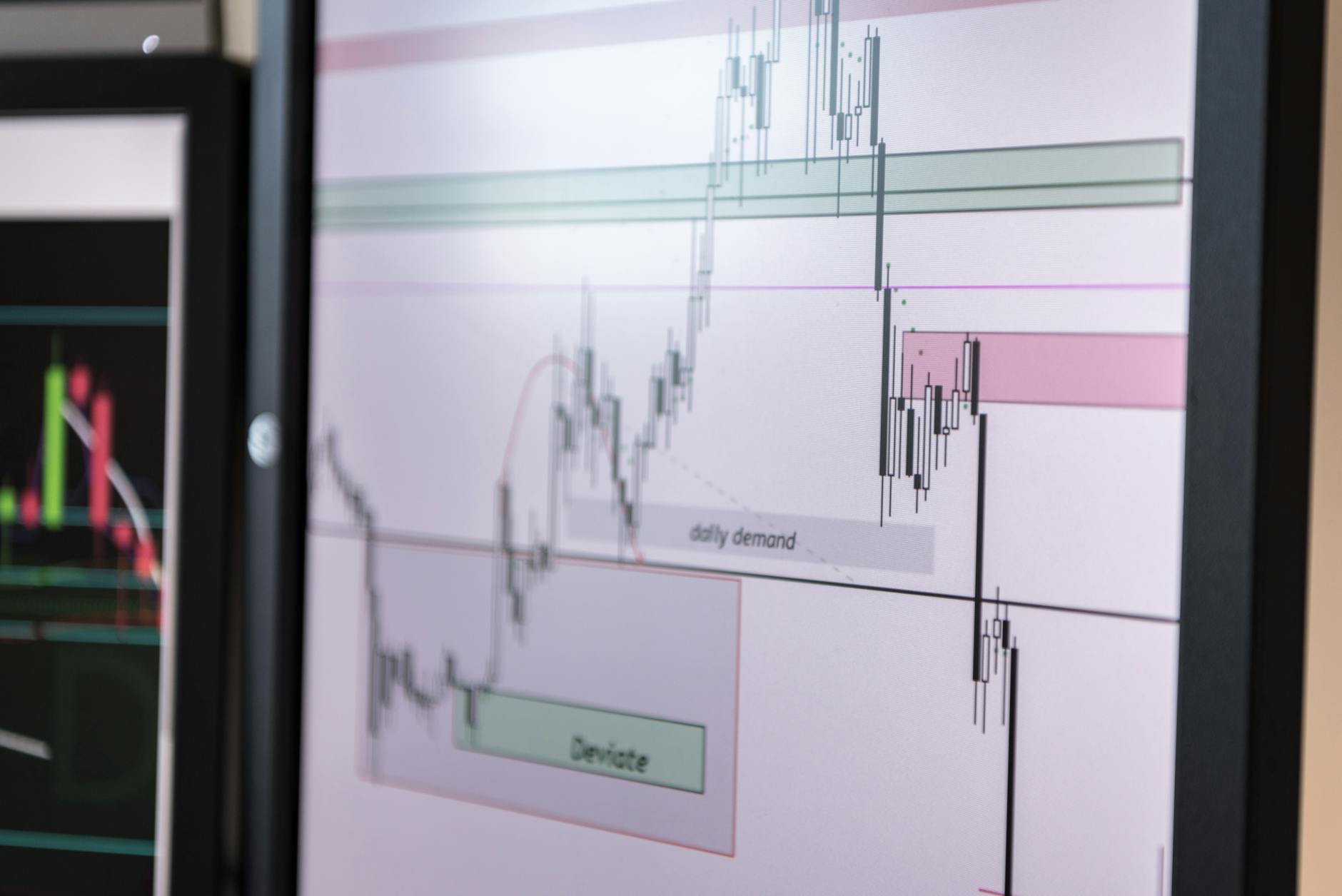
Robinhood's latest innovation integrates artificial intelligence directly into the trading process, reshaping how retail investors interact with the market. With the introduction of Agentic Trading and the Agentic Credit Card, Robinhood users can now delegate investment decisions and purchasing tasks to AI algorithms, potentially reducing the time they spend monitoring market fluctuations.
This move by Robinhood represents a significant shift in retail trading strategies, democratizing sophisticated AI tools previously available only to hedge funds and institutional traders. According to CoinDesk, these new tools could automate everything from portfolio rebalancing to executing trades during optimum market conditions, all based on user-defined guidelines. For instance, a user interested in tech stocks could set up their AI agent to manage a portfolio concentrated on this sector, adjusting holdings in real-time based on algorithmic predictions and market movements.
While the prospect of AI-driven trading platforms promises increased efficiency and reduced workload for the everyday investor, it also raises several critical questions about risk and control. Automating trading and financial decisions could lead to scenarios where rapid market changes outpace the AI's parameters, potentially causing significant impacts before human intervention is possible. Robinhood has anticipated such scenarios by incorporating multiple safety measures, including notifications of all trades and the ability to disable the AI agents instantly.
Moreover, this shift towards AI in personal finance tools could influence broader market dynamics. The widespread use of similar AI-driven trading solutions could lead to new patterns in stock price movements and volatility, conditioned by how these AI systems interpret and react to market data. This could fundamentally change the strategies employed by both retail and institutional investors.
It is also worth considering the broader implications of such technologies in the fintech sector. As we explored in a recent Radom Insights post, the integration of advanced technologies such as AI and tokenization is setting new standards for speed and security in financial transactions. Robinhood’s foray into AI-driven trading aligns with these developments, suggesting a possible trend towards more interconnected, automated financial ecosystems.
In conclusion, while Robinhood's AI-driven tools offer the allure of convenience and efficiency, they also underscore the need for robust risk management practices and raise questions about the future landscape of market behavior influenced by AI. As these technologies become mainstream, they will likely catalyze further innovations in trading practices, requiring both regulatory frameworks and personal investor strategies to adapt.
Exploring how this affects your payment flow?