
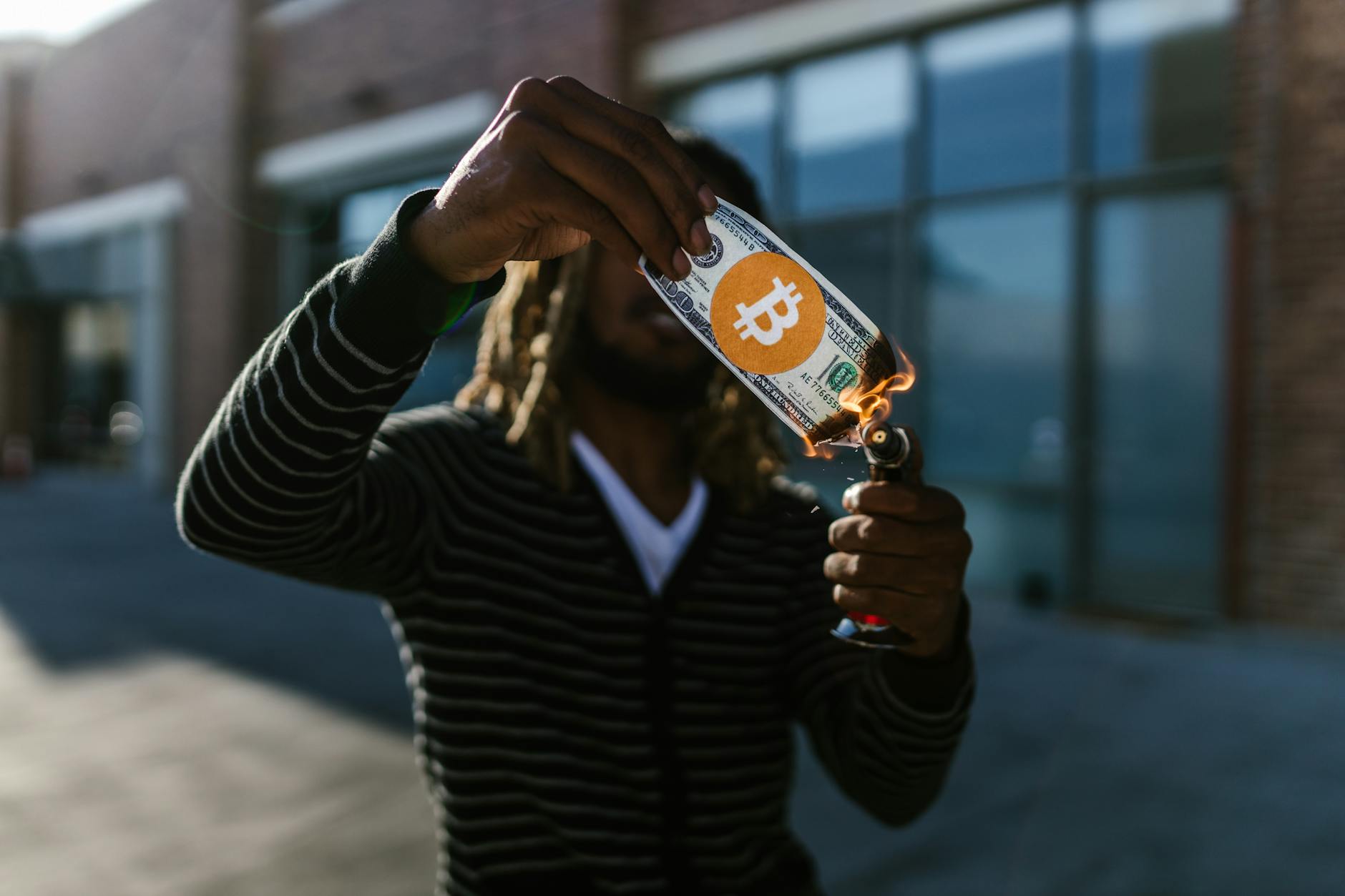
Google Trends recently mapped a sharp uptick in U.S. searches for "bitcoin zero," hitting an unprecedented score of 100 in February. This spike in searches came as bitcoin's price teetered around $60,000, following a substantial drawdown from its October peak. This surge in pessimistic searches intriguingly coincides not with a global sentiment but seems to be a uniquely American response to specific economic pressures and international tensions, including tariff escalations and U.S.-Iran tensions.
Understanding the context behind these searches is vital. Google Trends measures search interest on a scale of 0 to 100, where 100 signifies the peak popularity of a term during a given period in a specific region. Crucially, a score of 100 doesn't necessarily indicate a higher volume of absolute searches compared to a previous period but indicates a peak relative to past interest. This scoring nuance is essential for interpreting the data correctly, especially as bitcoin's audience and the volume of digital information continue to grow.
The regional disparity highlighted by the data reveals a significant point about investor sentiment and behavior. While U.S. investors exhibit a heightened sensitivity to domestic and geopolitical news, the same level of concern isn’t as pronounced globally. As reported by CoinDesk, global searches for "bitcoin to zero" peaked months earlier and have since declined significantly. This suggests that the U.S. market's reaction might be more about immediate, local perceptions rather than a broader consensus on bitcoin’s future.
This local spike could also be interpreted as a contrarian indicator. Historical patterns have sometimes shown that extreme fear in markets, as evidenced by similar search spikes, can precede recoveries. Notably, past spikes in the search term 'bitcoin zero' during 2021 and 2022 occurred near what turned out to be local price lows for bitcoin. This pattern hints that such peaks in pessimism often coincide with market bottoms, suggesting that some investors use these periods to buy into the market at lower prices.
Moreover, this incident underscores the influence of broader economic narratives on cryptocurrency markets. U.S.-specific issues such as trade policies or stock market downturns seem to trigger a more visceral reaction among American investors compared to their global counterparts. This reaction is significant for platforms and services that cater to a diverse user base. For instance, companies like Radom, through their services for on- and off-ramping solutions, must consider these regional sentiments to tailor their offerings effectively.
Nevertheless, while the data from Google Trends provides an insightful snapshot, it's crucial to integrate these findings with other market dynamics and investor behaviors for a fuller understanding. As the cryptocurrency market matures, the interpretation of such data will evolve, being influenced by a broader array of economic factors and technological developments.
In conclusion, the spike in "bitcoin to zero" searches does not necessarily signal an irreversible downturn but rather highlights the fluctuating investor sentiment driven by local and global events. As the crypto market continues to integrate more deeply with traditional financial systems, the reactions we see today may become more nuanced, influenced by an ever-expanding confluence of factors. For market participants and observers alike, keeping an eye on such trends is key to understanding the cryptoeconomic landscape's complex, evolving nature.

