
SEC revokes pattern day trading regulation, significantly enhancing access for retail traders
The U.S. Securities and Exchange Commission's decision to remove the $25,000 minimum equity requirement for pattern day traders significantly alters the trading landscape, potentially increasing market participation among retail traders. This change, effective from June 4, 2026, reflects an effort to modernize trading regulations to suit current market dynamics and technological advancements in brokerage risk management systems.
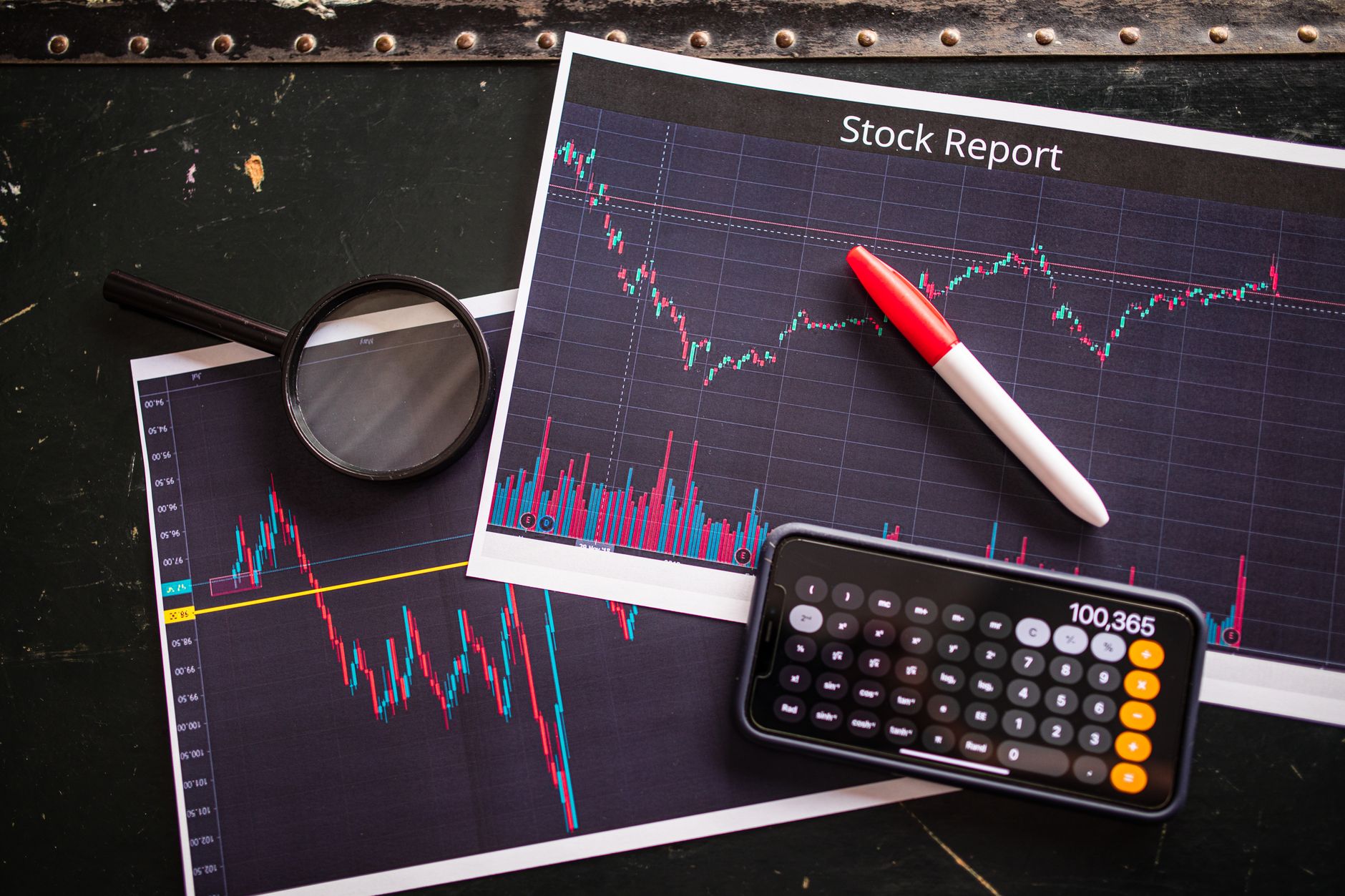
In a landmark decision, the U.S. Securities and Exchange Commission (SEC) recently voted to abolish the $25,000 minimum equity requirement for pattern day traders, a regulatory framework that has been in place since the early 2000s. This rule change, set to take effect on June 4, 2026, marks a significant shift in the regulatory landscape, potentially altering the dynamics between retail traders and the market at large.
Historically, the pattern day trading (PDT) rule was instituted following the burst of the dot-com bubble, as a safety measure to protect less capitalized investors from the high risks associated with frequent, leveraged day trading. The rule required traders to maintain a minimum balance of $25,000 in their accounts if they executed four or more day trades within five business days, using a margin account. Failure to comply led to a freeze on the trading account, limiting market participation and, ostensibly, shielding investors from severe losses.
The recent amendment to FINRA Rule 4210, however, eliminates this barrier, allowing traders with smaller balances to engage in day trading activities more freely. According to a report from Crypto Briefing, this regulatory pivot is designed to modernize trading rules in line with current market practices and technological advancements in risk management systems employed by brokerage firms.
The immediate response from the market was predominantly positive, with shares of popular trading platforms like Robinhood and Webull experiencing significant gains. This surge is understandable given that these platforms benefit from increased trading volumes through various revenue streams such as payment for order flow and margin lending.
Yet, what does this regulatory relaxation mean for the average investor? On one hand, the lowering of financial thresholds democratizes access to day trading, potentially opening up new opportunities for retail investors to participate more actively in the market. On the other hand, this freedom comes with heightened risks. Without the protective guardrails of the PDT rule, investors with limited capital and possibly limited experience may find themselves exposed to the volatile whims of the market.
The shift towards real-time risk assessments by brokerages as a replacement for the old system adds another layer of complexity. Brokerages will now play an even more critical role in monitoring trading activities, requiring robust risk management systems to prevent significant losses by their clients. This places a substantial responsibility on these firms to ensure their technology and oversight are up to the task, which could lead to disparities in how different brokerages protect their customers.
For investors, this means that choosing a brokerage goes beyond comparing fees or user interface elegance. The strength and sophistication of a brokerage's risk management systems could now be a crucial factor in safeguarding investments, especially for those new to day trading. Moreover, while the removal of the PDT rule lowers the financial entry barrier, it does not lower the skill barrier. Successful day trading requires a deep understanding of market forces, quick decision-making, and an ability to manage one's emotions under pressure. These are not skills that are acquired overnight, nor are they guaranteed with the opening of a trading account.
As this new regulatory environment takes shape, both traders and brokerages will need to navigate these waters with a mix of enthusiasm for the new opportunities and a cautious awareness of the inherent risks. For those considering taking advantage of these changes, it might be wise to start with a thorough assessment of both personal trading readiness and the protective measures offered by prospective brokerages.
The evolving landscape of retail trading is a fascinating reflection of broader changes in our financial systems, where technology and regulation continually interact to redefine the boundaries of possibility. For more insights into the implications of these regulatory changes, keep an eye on our ongoing commentary at Radom Insights.
Exploring how this affects your payment flow?

