
Securitize Executive Highlights How DeFi Could Transform Traditional Stock Lending Before NYSE Debut
As Securitize gears up for its NYSE debut with the ticker "SECZ," it aims to revolutionize the stock lending market by replacing traditional broker-dominated systems with a more equitable, blockchain-enhanced platform. This move could potentially empower investors with greater control and fairer profit distribution, challenging the current norms where platforms like Robinhood capture up to 85% of lending revenue.
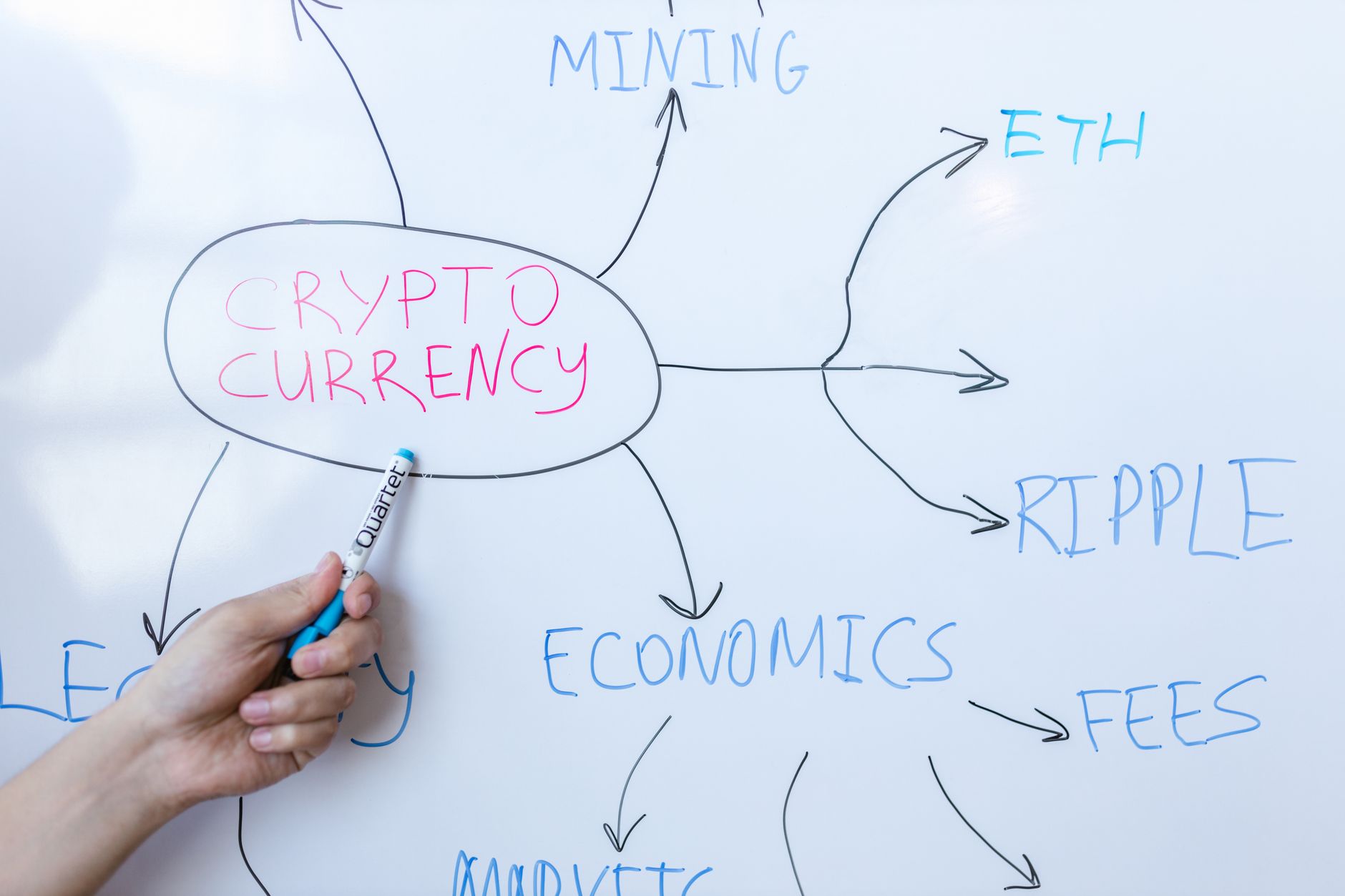
The capital markets might just be on the cusp of a significant transformation, with tokenization at the forefront of this change. Brett Redfearn, the president of Securitize and a former director at the SEC, is positioning his company as a key player in this disruption. As Securitize prepares for its NYSE debut under the ticker "SECZ", their platform proposes to shift the stock lending landscape from a closed system dominated by brokers to a more open, equitable environment bolstered by decentralized finance (DeFi).
Tokenization, at its core, is about converting physical and non-physical assets into digital tokens on the blockchain, effectively breaking down barriers that have traditionally benefited intermediaries more than the actual asset holders. In the stock lending arena, platforms like Robinhood take up to 85% of the revenue generated from lending out stocks owned by retail investors. This system, while lucrative for the platforms, offers minimal returns to the investors themselves, who bear most of the risk. According to Decrypt, Redfearn believes that by eliminating these middlemen, tokenization can redistribute profits more fairly.
Consider the traditional brokerage model: it is a convoluted maze of transactions where the actual stockholder often ends up with the short end of the stick. With tokenization, each share or asset can be directly controlled by its owner, drastically reducing the need for intermediary oversight, and by extension, the associated costs and profit sharing. This isn't just a theoretical redistribution of wealth; it's about giving investors the autonomy to maximize their returns on their own terms.
However, the excitement surrounding the potential of DeFi and tokenization must be tempered with a dose of reality. While the technology offers promising avenues for disintermediation, the actual implementation across a system as complex and regulated as the stock market will be fraught with challenges. Regulatory hurdles, technological adoption barriers, and the inertia of traditional financial institutions are all significant obstacles. For instance, the transition to a tokenized stock system would necessitate rethinking everything from compliance and security to how dividends are paid and shareholder rights are managed.
The potential benefits for retail investors are significant, making it a compelling narrative for a company like Securitize. The alignment with large financial institutions like BlackRock could also offer the necessary clout and trust to bring such innovations into the mainstream market. Still, the adoption of DeFi in traditional finance will hinge not just on technological innovation but on building a regulatory framework that can accommodate and nurture this fusion.
Securitize’s upcoming listing on the NYSE will be an important litmus test for the market's readiness to embrace such a transformative approach. If successful, it could pave the way for more widespread adoption of tokenization in various facets of the financial industry, beyond stock lending. This could fundamentally alter how we perceive asset ownership, trading, and management, making these processes more transparent, efficient, and democratic.
In conclusion, while the vision articulated by Redfearn is ambitious, the path to its realization is not straightforward. It requires a careful balance of innovation, strategic partnerships, and regulatory evolution. As we watch Securitize take this bold step onto the NYSE, it serves as a reminder of the potential of blockchain technology to not just disrupt, but fundamentally improve the financial landscapes for all stakeholders involved.