
SolarSquare is reportedly negotiating a funding round that could secure up to $60 million, highlighting the growing venture capital enthusiasm for India’s burgeoning rooftop solar sector.
SolarSquare, a Mumbai-based startup, is set to secure $60 million in a Series C funding round, sharply elevating its valuation and reflecting heightened venture capital interest in India's rooftop solar industry. Amidst India's push to achieve 500 gigawatts of renewable capacity by 2030, SolarSquare's focus on residential solar solutions positions it strategically within a rapidly expanding market, further highlighted by its projected installation targets and impressive revenue achievements.
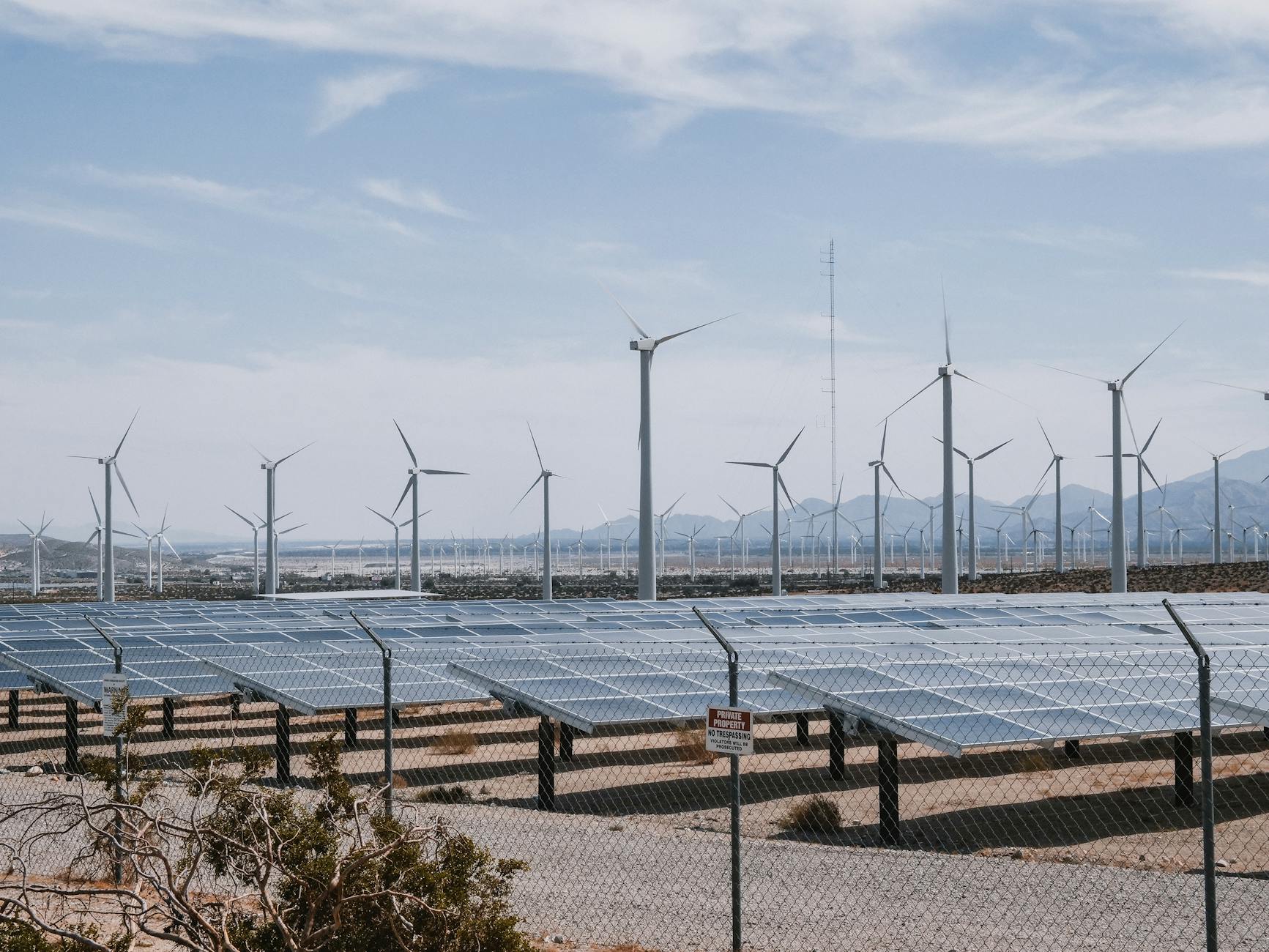
India's rooftop solar segment is lighting up, and leading the charge is Mumbai-based startup SolarSquare. According to TechCrunch, SolarSquare is on the brink of securing a substantial $60 million in funding, reflecting a surge in venture capital interest in this burgeoning sector.
This expected Series C round, co-led by B Capital and Lightspeed Venture Partners, pegs SolarSquare's valuation between $450 million and $500 million. The startling leap in valuation, more than doubling in 18 months, underscores the escalating investor confidence in India's residential solar potential. This is all the more significant given SolarSquare's previous $40 million Series B funding round in December 2024, which was led by Lightspeed Venture Partners at a $200 million post-money valuation.
The growth trajectory of SolarSquare is particularly notable in the context of India’s ambitious renewable energy goals. The country aims to achieve 500 gigawatts of renewable energy capacity by 2030, with solar energy expected to contribute over half. India’s rapid advancement to become the world’s third-largest solar power producer by 2025 further emphasizes the scale of opportunity in this sector. The shift from about 3 GW of installed solar capacity in 2014 to over 150 GW in 2026 is nothing short of remarkable, powered in part by government incentives aimed at fostering rooftop installations.
SolarSquare's business model stands out in this fragmented market, historically dominated by smaller local installers and larger manufacturers like Tata Power and Waaree Energies. By offering end-to-end solutions - designing, installing, and maintaining solar systems - SolarSquare provides a streamlined option for homes, housing societies, and enterprises. They have reportedly installed over 150 megawatts of solar capacity across 29 cities in nine states, and their reach includes high-profile clients like Swiggy and Zepto.
What sets SolarSquare apart is their focus on residential customers and housing societies, which now form the bulk of their business. This shift from the less profitable industrial projects to the more stable residential sector might be a strategic move to capitalize on the increasing demand for home-based solar solutions in urban India. Indeed, the startup’s success is reflected in their impressive annualized revenue run rate of over ₹10 billion (approximately $104 million) across their residential portfolio, putting them on track to achieve 200 megawatts in residential installations within the year.
This evolving landscape presents a telling parallel with broader fintech and energy trends. As we've observed in sectors like digital payments and cryptocurrency, innovative delivery models - like those employed by SolarSquare - disrupt traditional markets and redefine user engagement. There's a lesson here for fintech, especially in considering how decentralized solutions can challenge and transform established industries.
Moreover, the converging paths of fintech and renewable energy sectors hint at potential collaborative opportunities. For instance, the integration of blockchain technology for better transparency in energy trading or the use of smart contracts for managing leasing agreements for solar equipment are areas ripe for innovation. As discussed in a recent post on global market sentiments, the undercurrents that drive sectoral shifts are often linked, suggesting that fintech and green tech may benefit from closer synergy.
As SolarSquare gears up to close its funding round next month, the broader implications for India's renewable energy sector and similar global markets are profoundly optimistic. For venture capitalists and industry stakeholders, the clear message is that renewable energy, particularly solar power, is not just a viable investment but increasingly a necessary one. SolarSquare's journey from a local startup to a potential market leader in solar solutions mirrors the possibilities that lie ahead for smart, sustainable ventures worldwide.
Exploring how this affects your payment flow?