
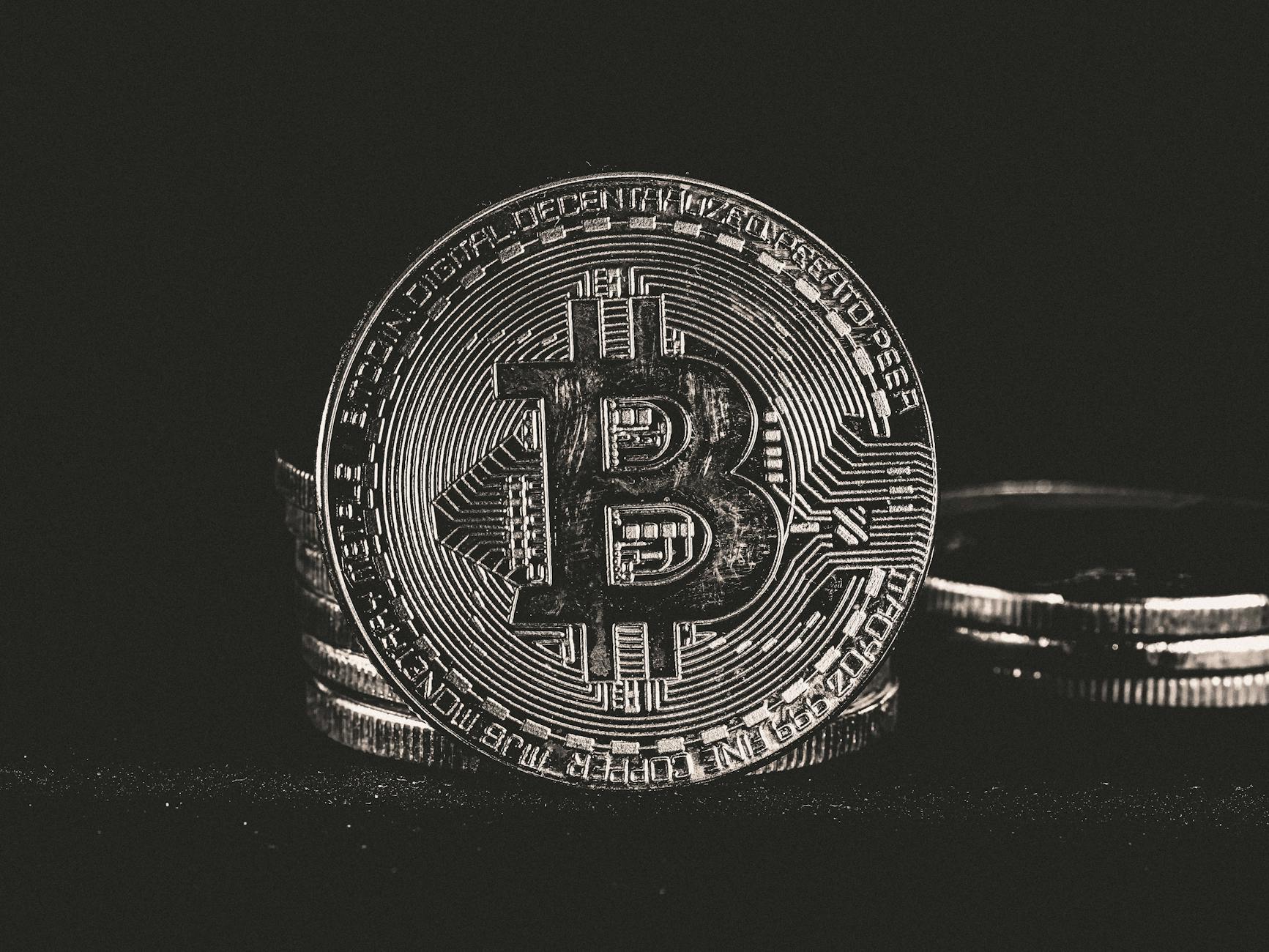
In a recent development that underscores a broader trend in the corporate management of digital assets, SpaceX transferred 1,083 bitcoins, valued at approximately $100 million, to wallets linked to Coinbase Prime. This move, noted by Crypto Briefing, signals a strategic adjustment in the company's approach to cryptocurrency custody.
The decision by Elon Musk's SpaceX to shift such a significant amount of bitcoin is not just a routine transaction; it reflects a deeper shift in how companies with substantial crypto holdings manage their assets for optimal security and liquidity. The choice of Coinbase Prime, a platform known for its robust security measures and appeal to institutional clients, suggests a preference for security and an institutional grade service that aligns with SpaceX’s corporate governance standards.
This trend is not unique to SpaceX. As digital assets grow in prominence, more corporations are revisiting their treasury strategies to incorporate or enhance crypto holdings. This shift is driven by several factors. Firstly, the digital nature of cryptocurrencies allows for quicker transactions across borders, making them an appealing component of international treasury operations. Secondly, the potential for high returns, despite the volatility and risks associated with cryptocurrencies, seems an attractive proposition for companies looking to optimize their investments.
However, the move to platforms like Coinbase Prime also highlights the importance of security in corporate crypto strategies. High-profile hacking incidents in the crypto space have left many potential institutional players wary. Companies like SpaceX that opt to transfer their holdings to secure, regulated platforms are not just protecting their assets but also setting a precedent in corporate digital asset management that emphasizes security.
Furthermore, the integration of these digital assets into traditional corporate finance operations has prompted innovations in fintech infrastructure. For instance, services provided by firms such as Radom, which offer on- and off-ramping solutions, facilitate the movement between fiat and crypto, easing the liquidity concerns that might otherwise deter large scale corporate crypto investments.
The wider implications of such transactions extend into regulatory discussions as well. As corporations like SpaceX more openly engage with cryptocurrencies, they push the envelope on regulatory frameworks. This is particularly relevant in jurisdictions still on the fence about how to handle digital assets. Each corporate entry into the crypto space can be seen as a case study for regulators, providing real world data on the risks and benefits of corporate crypto engagement.
Moreover, adjustments in corporate custody strategies may also influence customer perceptions of cryptocurrencies. When companies of SpaceX's stature opt to invest heavily in digital assets, it lends credibility to the crypto market. This could encourage more conservative investors to reconsider their stance on crypto investments, further expanding the market's potential.
In conclusion, SpaceX's recent significant bitcoin transaction is much more than a mere reallocation of funds. It is emblematic of a larger movement among corporates to adopt digital assets, reflecting shifts in security, investment, and operational strategies. As this trend continues, it will not only transform corporate treasury operations but also potentially shape the landscape of global finance and regulation. This evolving dynamic offers a fertile ground for discussions in the fintech community, contributing to our understanding of the intersection between technology, investment, and regulation in the digital age.

