
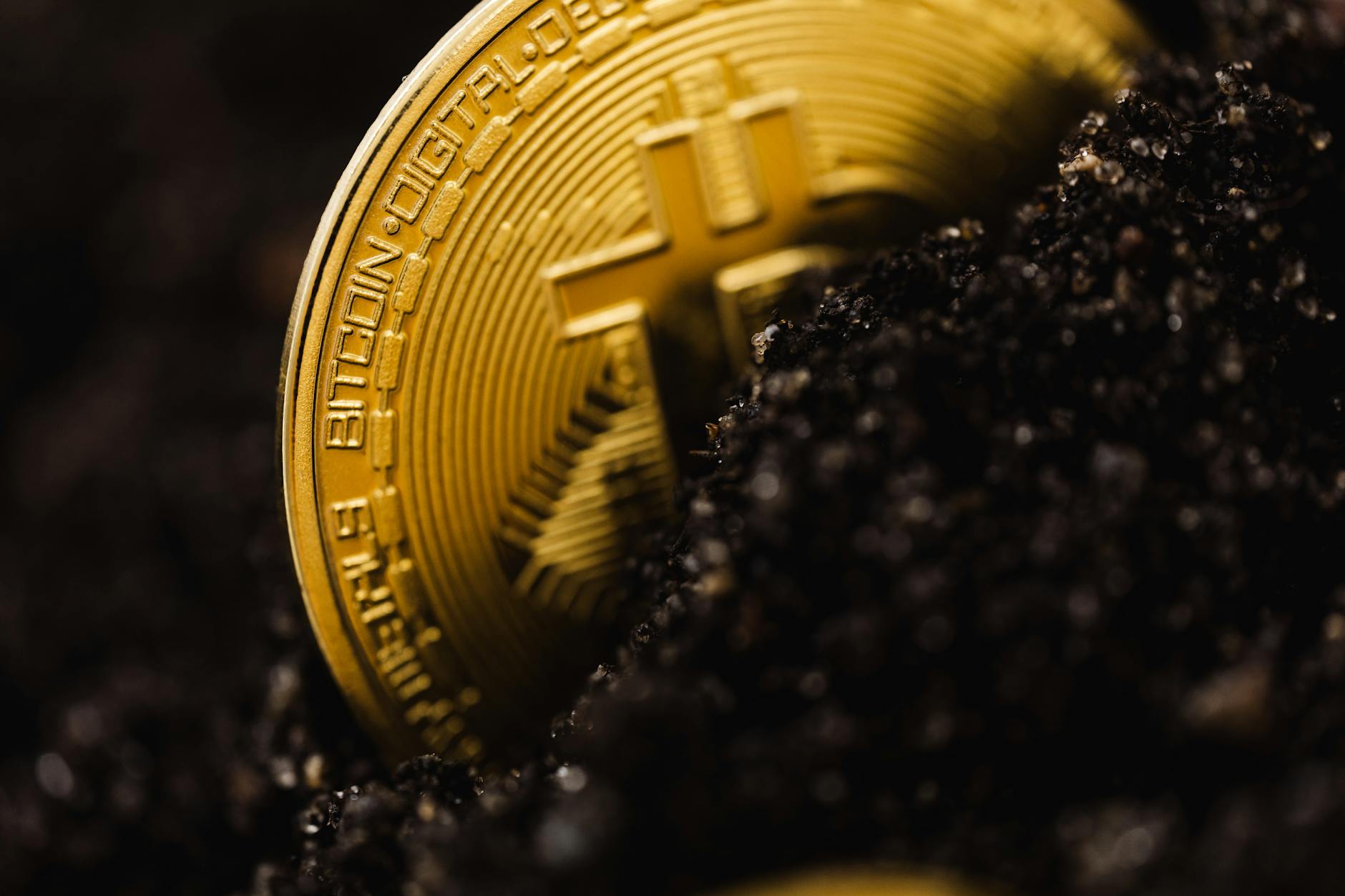
As the global financial ecosystem pulsates with the usual suspects of currencies and transactions, a new character has emerged from the shadows: the Russian ruble-based stablecoin, A7A5. This asset is not just another digital token; it represents a burgeoning parallel economy geared towards entities mired in sanctions, primarily Russian companies.
Launched by Russia-based A7, a company partially owned by sanctioned entities, A7A5 quickly emerged as a cornerstone of what some might call a 'shadow economy.' Purists might argue about legality and ethics, but there's no denying its utility: a transactional vehicle in a world where traditional financial paths are blocked. According to a report by CoinTelegraph, A7A5 has already facilitated substantial economic activity, notably circumventing the ever-tightening noose of international sanctions.
The frosty reception by global financial systems towards Russian entities post-Ukraine invasion left a significant gap-one that needed filling swiftly and effectively. With standard payment services like Mastercard and Visa pulling out, and SWIFT access cut, Russia's financial isolation seemed almost total. Enter alternatives like the Mir payment network and, importantly, crypto solutions such as A7A5.
The adoption of A7A5 reflects not just an act of defiance but a strategic pivot to leveraging digital financial assets for international commerce. This shift coincides with the Russian government's endorsement of cryptocurrencies as a medium for cross-border transactions, underlining a clear, elaborate strategy to sidestep the limitations imposed by sanctions.
However, the operational model of A7A5 raises eyebrows-or it should. The bulk of its trading happens during standard business hours at the beginning of the workweek, hinting at a coordinated use rather than sporadic, individual transactions. This isn’t your run-of-the-mill decentralized finance (DeFi) enthusiast dabbling in altcoins. It’s a state-aligned machine operating with militaristic precision and timing. Such patterns suggest that A7A5 is less about the decentralization dreams of crypto purists and more about serving as a financial lifeline for sanctioned entities.
The implications here extend beyond just the financial. They wade into murky waters of international law and order, sovereignty, and the uncharted terrain of digital financial warfare. Countries on the receiving end of sanctions like Iran and North Korea watch closely, potentially considering similar mechanisms.
This scenario posits serious questions about the global financial system's future and its interplay with state-backed digital currencies. As A7A5 gains traction, it not only challenges the efficacy of traditional sanctions but also tests the international community's resolve and adaptive strategies in this digital age.
One thing is clear: Cryptocurrencies and their stablecoin cousins are more than just a speculative venture or a geek's paradise. They have morphed into tools of economic statecraft, with the potential to either undermine or bolster geopolitical strategies. As for A7A5, it's not just a token-it's a statement. And the world is forced to pay attention, whether it likes it or not.

