
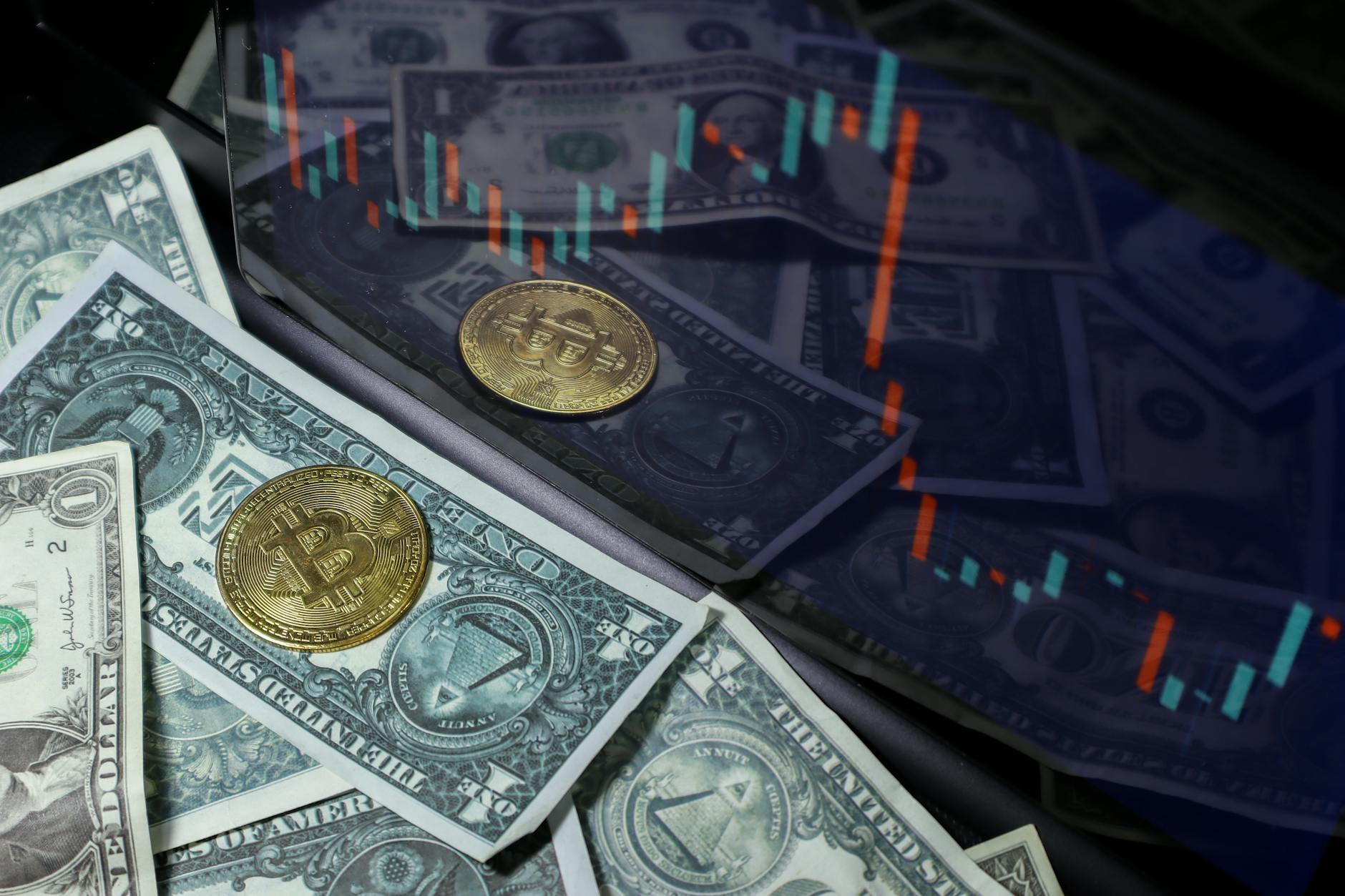
As per the analysts at State Street, the trajectory of the US dollar may be on a downturn, potentially exacerbated by more aggressive Federal Reserve policy adjustments than the market currently anticipates. Lee Ferridge, a strategist from State Street, highlighted during a recent conference in Miami that the dollar could see as much as a 10% decline this year if the Federal Reserve opts for further easing of financial conditions than is currently priced in by the markets. This assertion is particularly timely as expectations mount over potential policy shifts following Kevin Warsh's nomination by President Donald Trump to succeed Jerome Powell as Fed Chair.
Indeed, the causality between lower US interest rates and diminishing appeal for dollar-denominated assets is straightforward. Typically, when US rates fall, the interest differential with other currencies narrows, making the US dollar less attractive to foreign investors. This could prompt an increased activity in currency hedging as these investors sell off their dollars to secure their returns. Lee Ferridge noted that while two rate cuts form a "reasonable base case," there's a tangible possibility for even three reductions. This perspective aligns with market sentiments to some extent, as per the CME Group’s FedWatch Tool, which forecasts two cuts with the first likely in June.
The implications of such monetary easing are far-reaching, notably influencing the domain of digital assets. Historically, a weaker dollar has catalyzed a shift towards riskier assets like Bitcoin and other cryptocurrencies. The underlying principle is that as the dollar weakens, global liquidity conditions ease, making non-fiat alternatives more appealing. This inverse relationship between the US Dollar Index and crypto assets like Bitcoin has been well-documented, although it's not a foolproof correlation. As seen in periods of the dollar's decline, Bitcoin has not always performed robustly, influenced as it is by a confluence of other market dynamics including investor sentiment, profit-taking, and broader economic indicators.
For example, even though the US Dollar Index has recently touched a four-year low, Bitcoin’s response has not been uniformly positive, suggesting that other factors like regulatory news or tech developments often play significant roles. Moreover, the real impact of dollar fluctuations on cryptocurrencies can be moderated by how investors position themselves in the market, their risk appetite, and the prevailing economic landscape at any given time.
This nuanced interplay between the dollar's strength and cryptocurrency valuations points to the intricate dynamics at play in global financial markets. Investors and market watchers would do well to not only monitor Federal Reserve actions but also broader economic indicators and sector-specific developments that could influence market movements.
For businesses and investors engaged in the digital asset space, understanding these correlations and the underlying factors that influence them can be crucial. Companies like Radom, with their expertise in providing on- and off-ramping solutions, play a pivotal role in facilitating smoother transitions for businesses and consumers looking to navigate these shifts between fiat and digital currencies.
As the landscape of global finance continues to evolve with changes in monetary policy and digital asset integration, staying informed and agile will be key. Monitoring these trends not only helps in strategic decision-making but also in anticipating market movements that could affect investment outcomes and operational strategies across various sectors.
In conclusion, while the potential easing of Federal policy might spell a downtrend for the dollar, its broader implications could ripple across financial markets, influencing everything from traditional investments in bonds and equities to emergent asset classes like cryptocurrencies. The interconnectivity of global financial systems underscores the importance of keeping a keen eye on these developments.

