
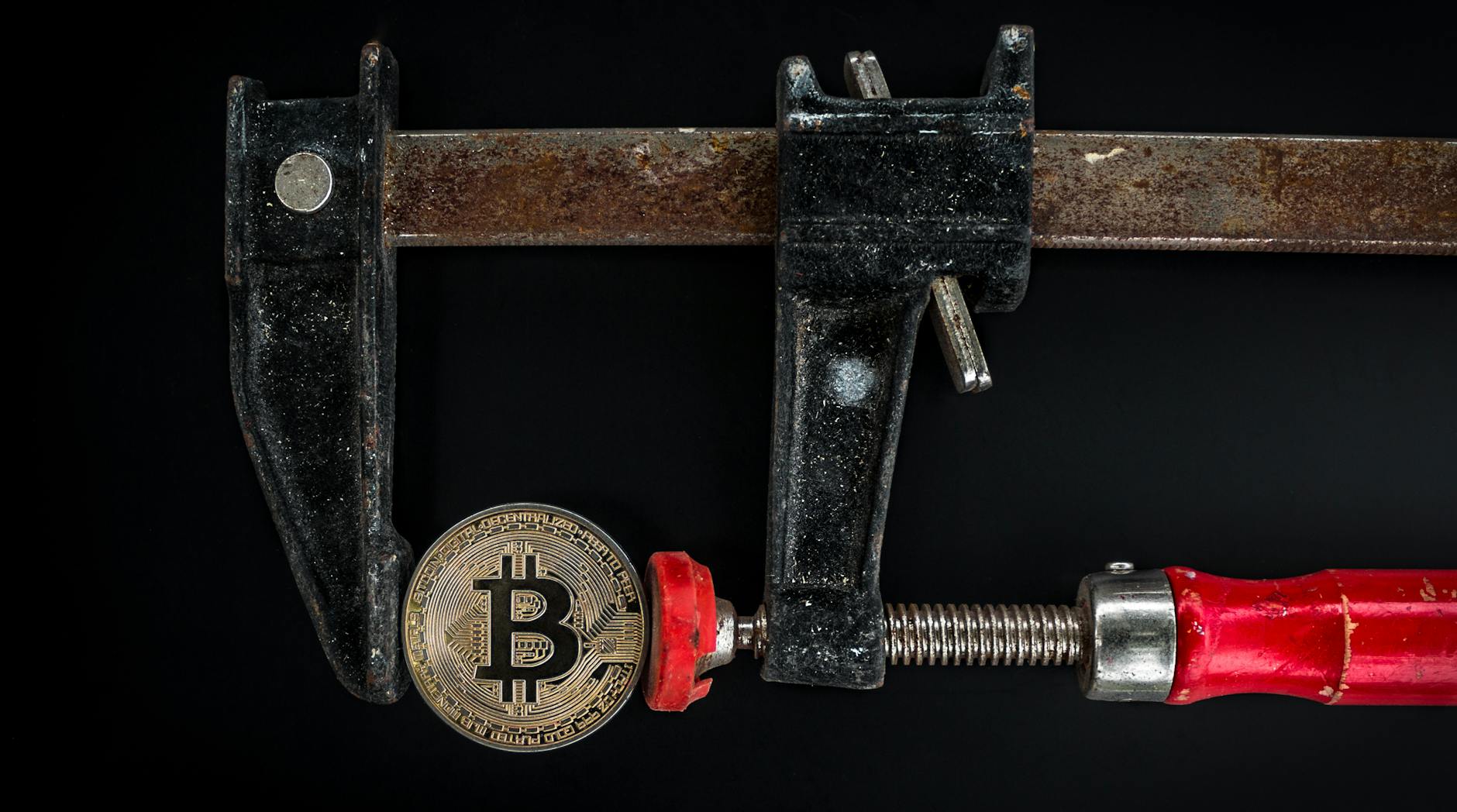
Steak 'n Shake's recent announcement of a $10 million increase in its Bitcoin reserves reflects a significant trend in the interplay between traditional business operations and cryptocurrency adoption. Without specifying the precise mechanics-whether through direct sales, price appreciation, or additional acquisitions-this increase speaks volumes about the evolving role of digital assets in corporate finance.
The fast-food chain, which began accepting Bitcoin across its global outlets in May 2025, seems to have tapped into a lucrative synergy between cryptocurrency and retail. The strategy not only diversifies their financial reserves but also enhances customer engagement by aligning with the preferences of tech-savvy consumers. This approach has apparently paid dividends, fostering a 'flywheel effect'-increased sales drive Bitcoin reserves, which in turn might attract more Bitcoin-using customers.
Moreover, this development comes at a time when the restaurant industry faces intense competition and fluctuating economic conditions. According to CoinTelegraph, Steak 'n Shake's strategy coincided with a notable 15% increase in Q3 2025's same-store sales, outpacing other fast-food giants like McDonald's, Domino's, and Taco Bell. This performance is particularly noteworthy considering Steak 'n Shake’s recent history of store closures and market contractions.
The choice of Bitcoin as a reserve asset also reflects broader trends in payment technology and financial strategy. As businesses around the world increasingly adopt cryptocurrencies either for transactional purposes or as strategic assets, they underline the growing practical utility of such technologies beyond mere speculative instruments. For many businesses, including those in the fast-food sector, integrating cryptocurrency not only serves as a hedge against traditional financial volatility but also as a tool for tapping into new customer demographics and opening up innovative marketing channels.
Steak 'n Shake’s initiative in El Salvador-a country that has embraced Bitcoin as legal tender-further highlights the potential for cryptocurrency to facilitate seamless cross-border transactions and financial inclusion. This move could set a precedent for other global brands contemplating similar expansions into markets with favorable crypto policies.
What's clear from Steak 'n Shake’s experience is that integrating cryptocurrency into business operations is not just about embracing new technology-it’s about strategically enhancing business resilience and customer connection in an increasingly digital world. As more companies observe these benefits, we may see a ripple effect, where crypto adoption becomes a norm rather than an exception, especially in industries that directly engage with the end consumer.
For businesses considering a similar path, exploring crypto on- and off-ramp solutions could provide a practical starting point, ensuring that the integration of crypto transactions into existing financial systems is smooth and beneficial both for the companies and their customers.

