
Sui Network Experiences Another Service Interruption, Raising Concerns Among Users
The Sui network, a promising player in the blockchain field, has experienced another significant disruption, marking the second such incident within a five-month span, raising concerns about the robustness of new blockchain technologies compared to established leaders like Ethereum and Bitcoin. This latest 'network stall' that halted transactions and resulted in a 5.4% drop in the SUI token's value underscores the urgent need for enhanced stability and reliability in emerging blockchain platforms.
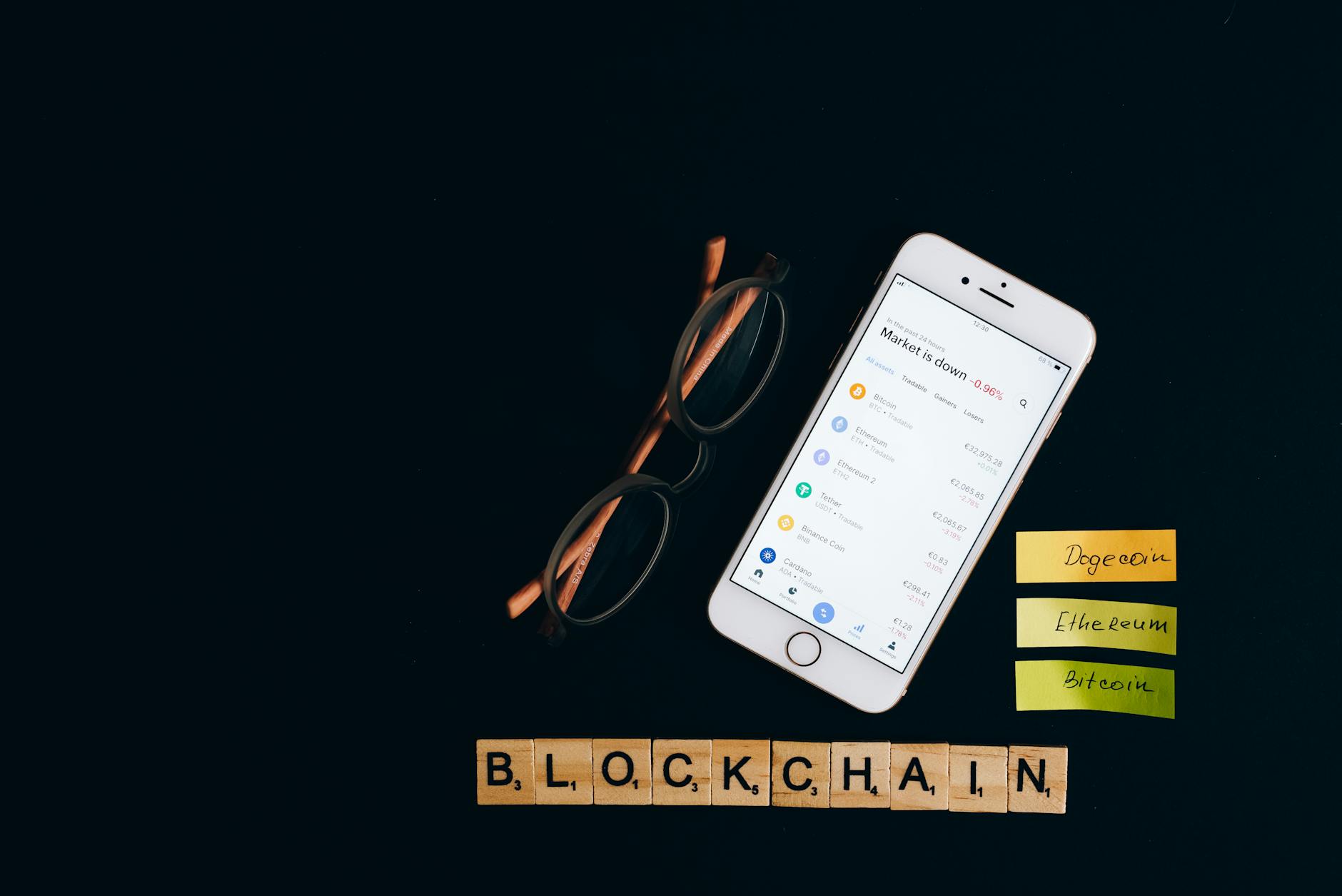
Once again, the Sui network, a notable contender in the layer-1 blockchain arena, has hit a snag with its system going offline due to a 'network stall'. This episode brings back unpleasant memories of its previous malfunctions, the most recent being just five months ago. Such repeated outages not only erode user confidence but also raise critical concerns about the reliability of newer blockchain architectures aimed at outpacing giants like Ethereum and Bitcoin.
At the heart of this disruption is a technical hiccup that halted all transactions, leaving users in a lurch and pushing the SUI token price down by 5.4% in a day. It's an irksome déjà vu for stakeholders who witnessed a similar six-hour downtime incident in January and significant transaction process issues back in 2024. While the Sui team's responsiveness in rolling out a fix is commendable, the repetitive nature of these outages speaks volumes about the underlying stability challenges faced by modern blockchains. For a detailed account of the outage, Decrypt provides an extensive overview of the incident.
The frequency and impact of these disruptions could potentially untether the delicate relationship between emerging blockchains and their investors or users. It underpins a broader narrative in the cryptocurrency landscape - high throughput and speed cannot be the only selling points. Stability, reliability, and robustness are equally crucial, perhaps more so. One might argue that incidents like these underscore the need for rigorous testing environments and perhaps a slower, more methodical approach to updates and scaling - a balance that seems to elude many up-and-coming networks in their race to the top.
In a broader context, such infrastructure challenges also highlight the importance of diverse and redundant systems within blockchain networks. Solutions like on- and off-ramping solutions provided by companies such as Radom significantly mitigate risks for businesses by offering alternative pathways during such network disruptions.
To echo a sentiment from the broader fintech community, maybe it’s time to rethink how these platforms validate changes to their core systems. Perhaps integrating more comprehensive risk management frameworks or adopting phased rollouts could help. After all, if the technology is to herald a new financial era, it must first prove itself capable of handling the very basics: staying operative.
In conclusion, while Sui’s rapid response and transparency about issues are steps in the right direction, the recurring nature of these outages could be a make-or-break factor for its user base. The path forward isn’t just about patches and fixes but about fundamental enhancements to how these platforms anticipate and mitigate risks. For Sui, and indeed for all layer-1 networks, the future might not be just about competing on features but on fortifying the trust of those they serve.
Exploring how this affects your payment flow?

