
TD Cowen analysts suggest Trump's comments on CFTC-regulated prediction markets may not impact ongoing legal battles.
Amidst the heightened discussions triggered by former President Donald Trump's remarks on prediction markets, analysts at TD Cowen emphasize that the ultimate resolution on their legality will likely be decided by the Supreme Court, not swayed by public opinion. This analysis underscores the significant role of state vs. federal power in determining the fate of such financial platforms, a critical issue for stakeholders in the fintech sector.
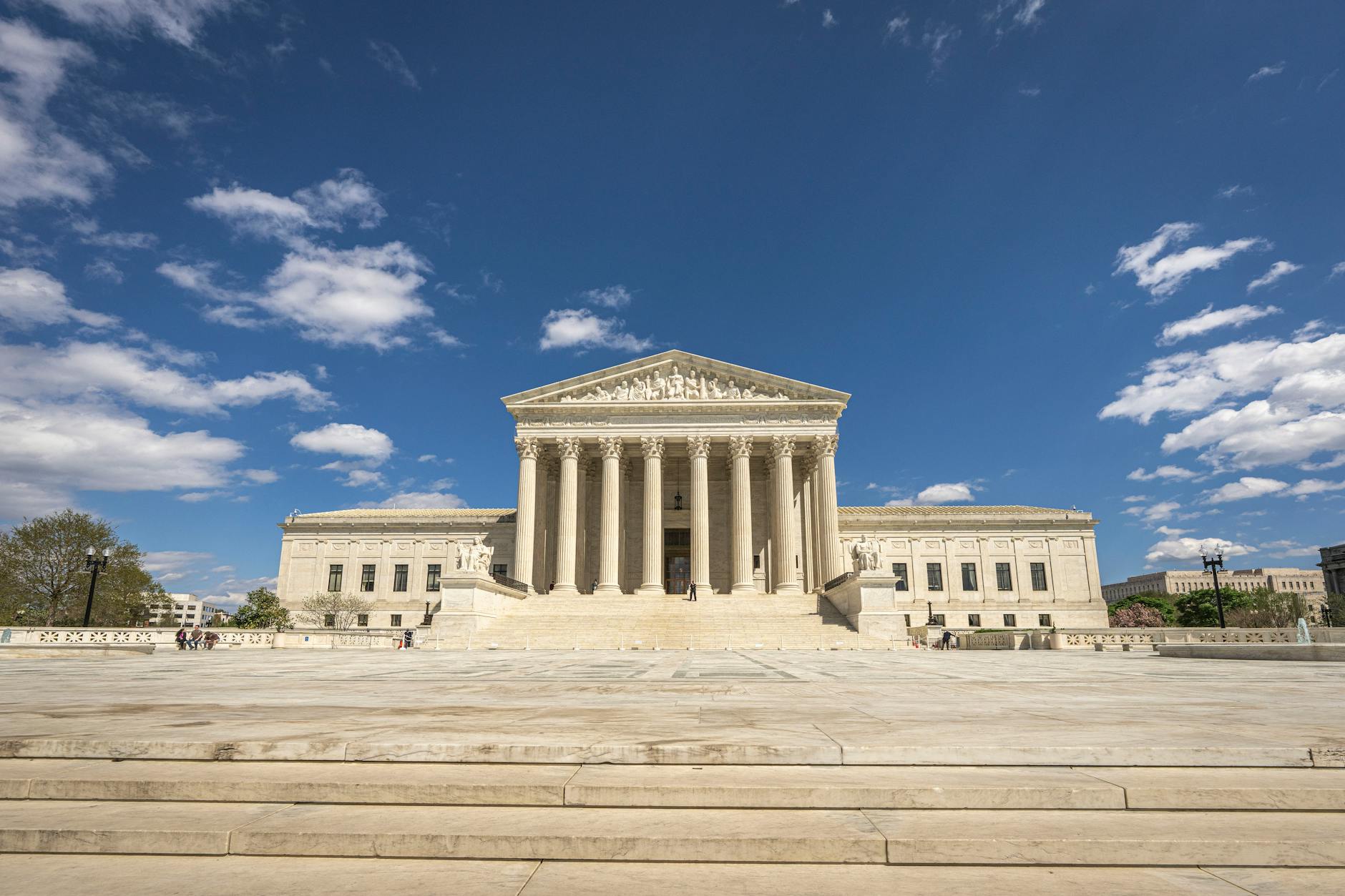
The recent buzz created by President Donald Trump's comments regarding CFTC-regulated prediction markets has raised eyebrows but, according to analysts at TD Cowen, it's unlikely to sway the ongoing legal fight already poised to reach the Supreme Court. The states, it seems, still have the upper hand here.
For those unfamiliar with the intricacies of U.S. financial regulations, the Commodity Futures Trading Commission (CFTC) oversees the vast landscape of U.S. futures and options markets, which includes prediction markets. These platforms allow participants to bet on the outcomes of various events, ranging from elections to economic indicators. Trump's recent comments speculated on the potential outcomes and legal postures concerning these markets, sparking a wider discussion on their implications and regulatory future.
However, the assertion from TD Cowen suggests that the real battleground for the fate of these prediction markets lies with the Supreme Court, not with public opinion or even a former president's statements. This perspective was detailed in a recent analysis by The Block, which elaborates on why the high court's future decisions will be pivotal.
State advantage in this scenario is not a new theme. Historically, states have often held significant sway over gambling and prediction-based enterprises, due to their ability to regulate them through local laws that reflect community standards and concerns. Betting markets, a close relative of prediction markets, have seen a similar push and pull between state-level legislation and federal oversight. This tug of war highlights a classic federalism debate reflecting the diverse legal and ethical standards across the U.S.
This also aligns with broader trends in financial regulations where state rights have clashed with federal intentions, a theme explored in depth on Radom's Insights blog. Particularly, our piece on Nation-wide Gambling Regulations mirrors similar regulatory debates occurring beyond U.S. borders, underscoring the global nature of such discussions.
For fintech enthusiasts and legal experts, the takeaway here should be clear. While high-profile commentary on prediction markets can influence public sentiment and potentially sway some regulatory approaches, the fundamental battles over their legality and operation will be fought in courtrooms. Moreover, these battles will hinge on interpretations of state versus federal power, a longstanding theme in American jurisprudence.
In the broader context of fintech and regulatory compliance, the ongoing saga of prediction markets serves as a key example of how new financial technologies intersect with existing legal frameworks. For companies operating in this space, whether directly via prediction markets or indirectly through associated financial services, staying abreast of these developments isn't just good practice-it's essential for navigating the choppy waters of compliance.
It's also a reminder that in the world of fintech, as in many areas of high-tech finance, the more things change, the more the foundational challenges of regulation remain the same. Innovations may shift the playing field, introduce new players, or even alter the stakes, but the fundamental need for clear, coherent regulatory frameworks continues to be the linchpin of a functional market.
Thus, for stakeholders from investors to operators, keeping an eye on the developments in court, understanding the balance of state and federal influence, and recognizing the ongoing debates in this area can provide crucial insights. After all, in the arena of regulated markets, legal clarity often precedes market stability.
In conclusion, while President Trump's comments might stir the pot, they won't necessarily tip it over. The real action, as always, will be in the courts. So, for anyone with a stake in the future of prediction markets or similar fintech ventures, court dockets might prove more insightful than Twitter feeds.
Exploring how this affects your payment flow?

