
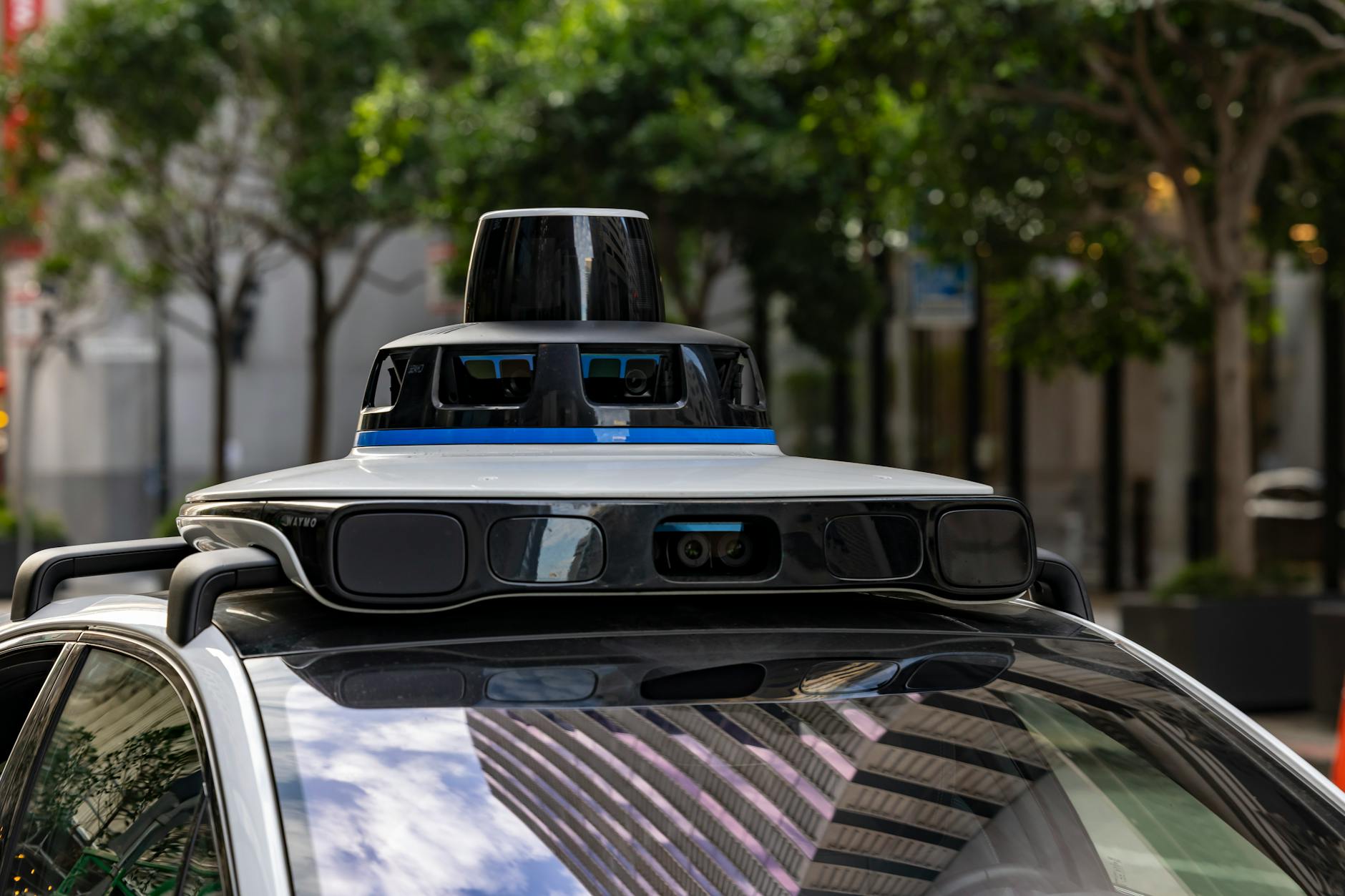
Waymo's recent dialogue at the TechCrunch Mobility event, particularly the insights shared by chief safety officer Mauricio Peña, sheds significant light on the ongoing narrative of autonomous vehicle (AV) transparency and public trust. In the realm of AV development, Waymo has consistently been at the forefront, but its operations involving overseas remote guidance workers have sparked a spirited debate about the nuances of such technologies and the intricacies of regulatory and public acceptance.
The revelation that Waymo employs remote assistance workers based in the Philippines to handle specific requests from their self-driving systems underscores a broader industry challenge: balancing technological efficacy with socioeconomic and regulatory expectations. Senator Ed Markey's critical response to this operational detail during the Senate Commerce Committee hearing reflects a palpable concern about safety and reliability that many share. The questions posed were not merely procedural but tapped into deeper fears about the agility of regulatory frameworks to keep up with technological leaps.
However, Waymo's clarification, outlined in a subsequent blog post by Ryan McNamara, is crucial to understanding the distinction between remote driving and remote assistance. By emphasizing that the remote workers do not drive the vehicles but rather provide informational support to autonomous systems, Waymo attempts to demystify their operations and quell fears about control and safety. This response not only highlights the layers of oversight within Waymo’s operational model but also serves as a case study in public communication strategies for emerging technologies.
This incident is emblematic of a larger industry-wide necessity to articulate operations transparently, a theme I've explored previously in the context of blockchain technologies. Like autonomous vehicles, blockchain and crypto networks often operate under a veil of complexity that can alienate or confuse stakeholders and the public. The parallel here is clear: as technological solutions become increasingly integral to everyday life, the enterprises behind them must prioritize clarity and education in their public discourse.
Moreover, Waymo's approach to managing its fleet and the roles of its remote assistance teams in the Philippines and the U.S. raises important questions about the geographical and jurisdictional complexities of modern digital operations. These are challenges not confined to AV companies but resonate across sectors, particularly in fintech and online platforms where cross-border operations are commonplace.
In conclusion, while AV companies like Waymo push the envelope on what's technologically possible, they also shoulder the burden of leading the conversation about the ethical, legal, and social implications of their work. The ongoing discourse around remote assistance not only informs public opinion but also shapes legislative frameworks that will ultimately determine the trajectory of autonomous vehicle technology. Waymo's current predicament serves as a reminder that innovation must go hand in hand with responsibility and transparency.

