
As the wheels of technological innovation turn, Tesla's Full Self-Driving (Supervised) system is back under the harsh spotlight following a recent fatal crash in Texas. This incident, along with ongoing legal and regulatory scrutiny, paints a complex picture of the emerging autonomous driving landscape. Notably, despite Tesla's push to brand itself as a leader in AI and robotics, these tragic events raise critical questions about the reliability and safety of autonomous technologies.
According to a TechCrunch report, the crash not only resulted in a loss of life but also spurred investigations by the National Highway Traffic Safety Administration (NHTSA) and the National Transportation Safety Board (NTSB). Additionally, Tesla's settlement of a lawsuit from another fatal incident in 2023, where Full Self-Driving was implicated, suggests a pattern that might give potential users and investors pause. These cases highlight the critical challenge of how these autonomous systems respond to variable conditions such as reduced visibility caused by environmental factors.
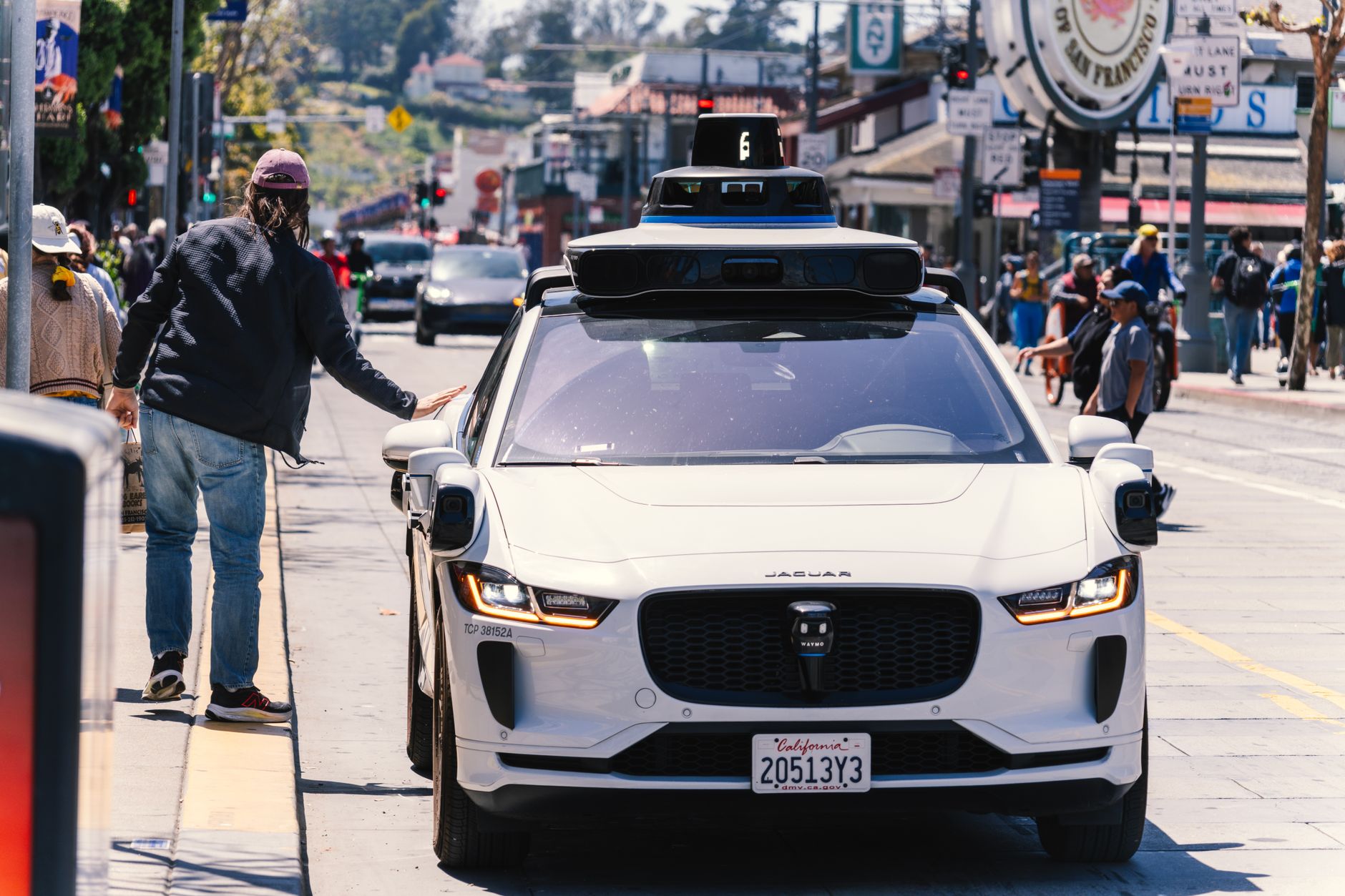
Moving from Tesla's ongoing saga, the broader autonomous vehicle (AV) market is not short of developments. For instance, Waymo's collaboration with Zeekr for a fleet of robotaxis is indicative of significant progress in operational deployments. Such collaborations, coupled with meticulous regulatory compliance seen in other markets, underline the industry's commitment to overcoming safety and technological hurdles. Waymo’s equipment strategy, featuring a combination of multiple sensors, starkly contrasts with Tesla’s reliance on cameras, setting a potential industry standard that prioritizes a multi-faceted approach to safety.
However, while companies like Waymo advance with careful integration of complex technologies, Tesla's approach raises eyebrows. Not just because of the recent incidents but also due to the broader implications on the brand’s shift towards AI. With every incident, the promise of Full Self-Driving comes under scrutiny, not just from safety advocates but increasingly from investors and potential customers who are growing wary of the risks associated with these technologies.
Moreover, the industry's trajectory is not solely shaped by technology leaders but also by smaller, innovative companies. For example, Aseon Labs recently raised significant funding for developing mobile pods that autonomously inspect, clean, and charge robotaxis. This indicates a burgeoning ecosystem supporting the AV market, focusing on the ancillary services required to maintain and optimize the performance of autonomous fleets.
On the regulatory and compliance front, the proposed changes by the U.S. Department of Transportation, allowing companies to omit traditional controls like brake pedals in fully autonomous vehicles, could spur further innovation. However, they also emphasize the need for robust safety standards. The regulations and technology are evolving in tandem, and each new development or setback on the road informs the next steps for legislation and innovation.
In closing, the road to fully autonomous driving is fraught with technological challenges and moral questions. Each incident, innovation, and regulatory adjustment adds layers to the complex tapestry of this emerging field. As companies navigate these turbulent waters, the focus must remain steadfast on safety and transparency, ensuring public trust does not erode faster than the technology can prove its worth.
This evolving scenario also offers a rich vein of insights for companies at the intersection of fintech and autonomous technologies. Understanding the financial implications of these technological and regulatory shifts is crucial. For businesses operating in this space, whether related to insurance, investment, or ancillary services, staying abreast of these developments will be key to adjusting strategies that align with an unpredictable but inexorably advancing future.
For a deeper dive into how financial mechanisms are adapting to the evolution of autonomous driving technology, you might find our analysis of AI and robotics as the emerging focus in cryptocurrency financing quite enlightening.

