
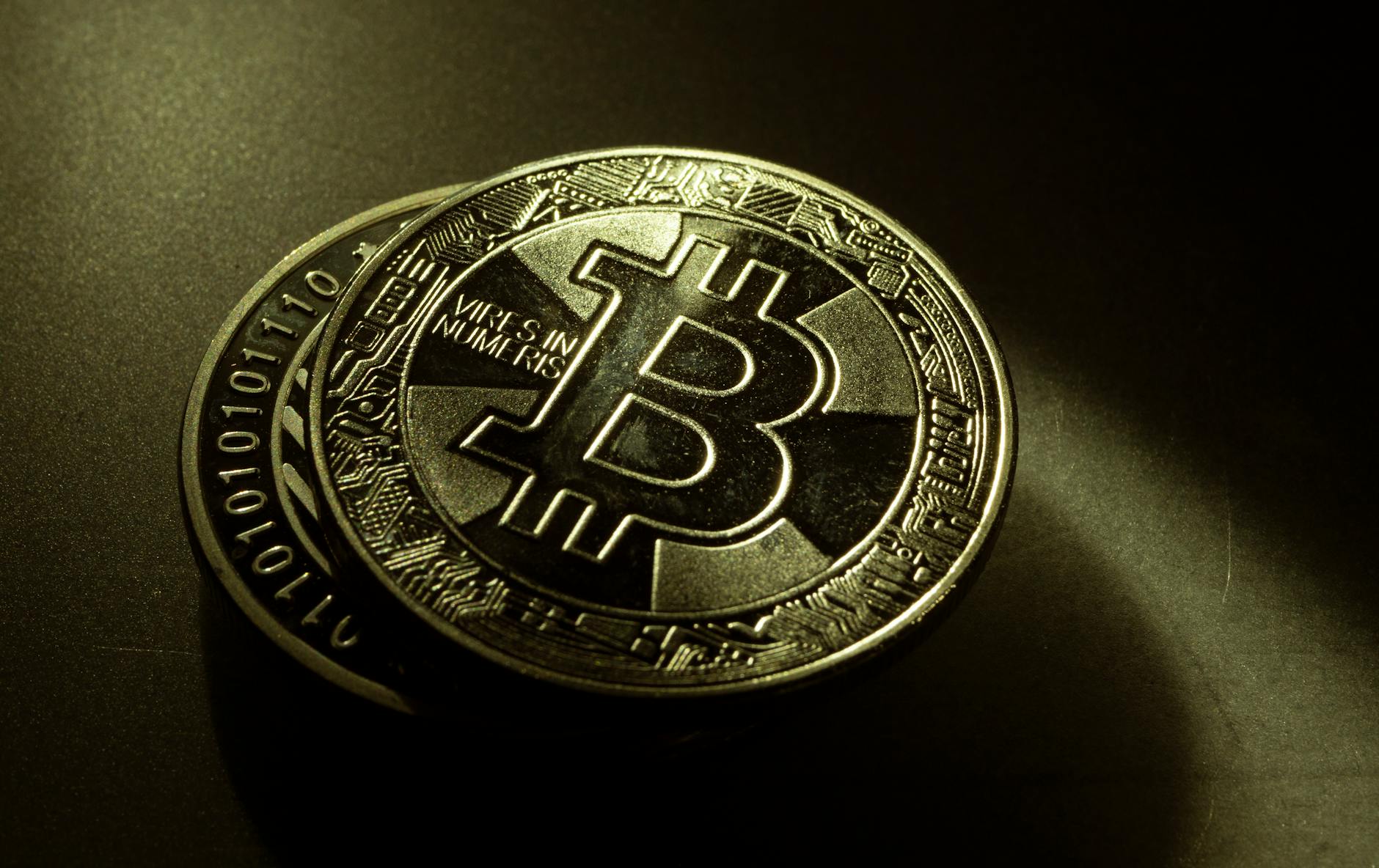
In a noteworthy fusion of instant messaging and decentralized finance, Telegram's TON Wallet now accommodates yield-generating vaults for Bitcoin, Ethereum, and USDT, leveraging Morpho's decentralized lending protocols. This integration signifies a pivotal attempt to meld sophisticated DeFi functionalities with an application as ubiquitous as Telegram, thus breeding a new convenience in digital asset management that could entice a broader user base into the realm of blockchain-based finance.
The new feature within the Telegram interface enables users to earn up to 18% APY on their cryptocurrency holdings. It's a compelling offer, especially given the ease of use promised by the interface of a well-tread messaging app. This service utilizes variable-rate strategies but remarkably maintains self-custody, which might address some users' security concerns associated with yielding platforms. By integrating these services directly within the messaging platform, Telegram is not only simplifying the user experience but is also embedding a deeper level of trust and functionality within its ecosystem.
On the technical front, the yield vaults operate on TAC, an EVM-compatible execution layer of The Open Network. This strategic choice ensures compatibility with a wide range of Blockchain networks, expanding its utility and potential user base. Additionally, the vaults come in various risk tiers, particularly for USDT, allowing users to choose how aggressively they want to earn returns based on their risk tolerance. The highest-yielding option, offering blended returns of up to 18% annually, showcases an aggressive approach to earning from holdings, whereas lower tiers would presumably offer safer, albeit less lucrative, returns.
This tactical blend of financial sophistication and everyday digital communication is a significant step forward in mainstreaming DeFi protocols. As noted by Paul Frambot, co-founder of Morpho, embedding such financial tools in widely-used applications could accelerate the adoption of onchain finance. The convenience factor, coupled with the embedded security features and variable risk levels, has the potential to captivate a segment of users who are curious but hesitant about entering the DeFi space.
However, while the integration heralds technical innovation and user convenience, it ushers in considerations regarding user education and transparency. Users new to DeFi might find themselves navigating a complex system of yield calculations, risk assessments, and strategy selections, which could be daunting without the proper educational resources. Moreover, the allure of high returns must be adequately balanced with transparent communication on the risks involved in such strategies, especially given the volatile nature of cryptocurrency markets.
For platforms looking to integrate similar functionalities, the approach taken by Telegram with the TON Wallet could serve as a compelling case study. As discussed in a recent Radom Insights post, integrating complex financial operations within widely used platforms requires careful consideration of both user experience and regulatory compliance. Navigating this delicate balance will be key to fostering sustainable growth in crypto-financial integrations.
Overall, Telegram's move to embed yield-generating vaults within its messaging platform could be seen as a pioneering step towards more integrated, user-friendly crypto financial services. If successful, it may set a precedent for other platforms to follow, potentially leading to broader acceptance and use of DeFi solutions across less technically-savvy populations. Yet, the ultimate success of these integrations will heavily depend on user acceptance and the continuous evolution of user interface designs to accommodate the unique needs and preferences of a diverse user base.

