
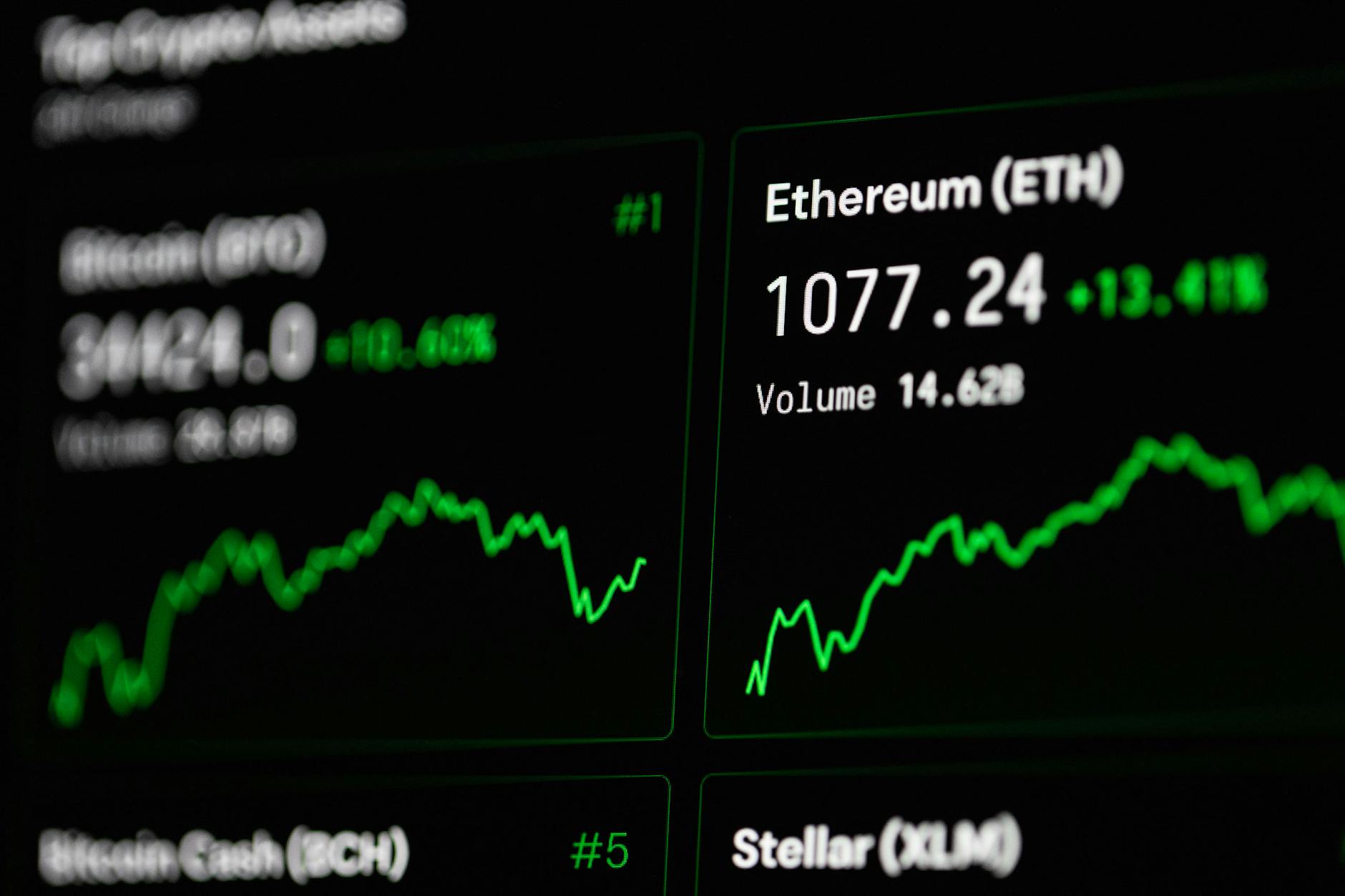
Just when you thought global markets might have a quiet day, geopolitical drama sends traders scrambling. The recent missile exchanges between Iran and Israel have not only reignited military tensions but also roiled financial markets from oil futures to cryptocurrency. Amidst the chaos, Bitcoin, typically lauded for its detachment from traditional financial systems, has demonstrated its vulnerability to global events, sliding toward $63,000.
Oil prices surged past expectations, jumping over 3% to hit around $93.50 a barrel. This spike, as reported by Crypto Briefing, is a textbook reaction to potential supply disruptions caused by instability in the Middle East. Meanwhile, Bitcoin's price took a nosedive. Contrary to the digital currency's decentralized promise, it remains tightly tethered to conventional market dynamics in times of crisis. This suggests that despite its independent ethos, Bitcoin is not immune to the knee-jerk reactions seen in traditional markets.
On the infrastructural side, decentralized exchanges like Hyperliquid have seen a surge in activity. Hyperliquid's spike in oil perpetual contracts trading volume to nearly $200M underscores how crypto platforms are becoming arenas for speculation on traditional commodities. This blurring of lines between digital and physical assets trading could be pointing towards a future where traditional and crypto markets are inextricably linked.
From a ceasefire to renewed conflict, the situation between Iran and Israel is a stark reminder of the fragility of peace in volatile geopolitical landscapes. The abrupt end to the April ceasefire highlights the complexities and challenges in securing lasting peace agreements. Investors and policy makers should note the rapid influence such regional tensions can exert on global markets, affecting everything from energy prices to digital currencies.
For crypto investors, the broader implication ties back to the nexus between geopolitical instability and crypto market volatility. As investors rush to de-risk their portfolios, Bitcoin's dip is a clear indicator of the asset's sensitivity to external shocks. This is crucial for those betting on Bitcoin as a "safe haven" asset. The reality is that Bitcoin is not yet divorced from global tensions and remains susceptible to the same panic selling that affects traditional markets.
Moreover, the relationship between rising oil prices and inflation is a significant concern. With inflation expected to climb, central banks might have to rethink their interest rate strategies, which could remove a critical support pillar for cryptocurrency prices. For platforms offering crypto-fiat solutions, such as Radom's on- and off-ramping services, staying abreast of these macroeconomic tensions is crucial for advising and servicing clients effectively.
In conclusion, while the digital currency markets offer unprecedented opportunities, they are not isolated from the world's geopolitical drama. As we've seen, factors like oil price shocks and regional conflicts can create ripples across the crypto sphere, affecting everything from asset prices to trading volumes. This interconnection underscores the need for investors to maintain a keen eye on global events, even when dealing in decentralized assets.

