
Tesla Launches Fully Autonomous Taxi Service in Austin, Expanding Its Footprint in Urban Transportation Technology
Tesla's recent expansion of its unsupervised robotaxi service in Austin, despite being limited to 20 vehicles, underscores the technological strides and operational challenges in scaling autonomous vehicles. This cautious yet forward-looking approach reflects a significant step in integrating autonomous transport into urban life, amidst rigorous safety evaluations and strategic regulatory navigation.
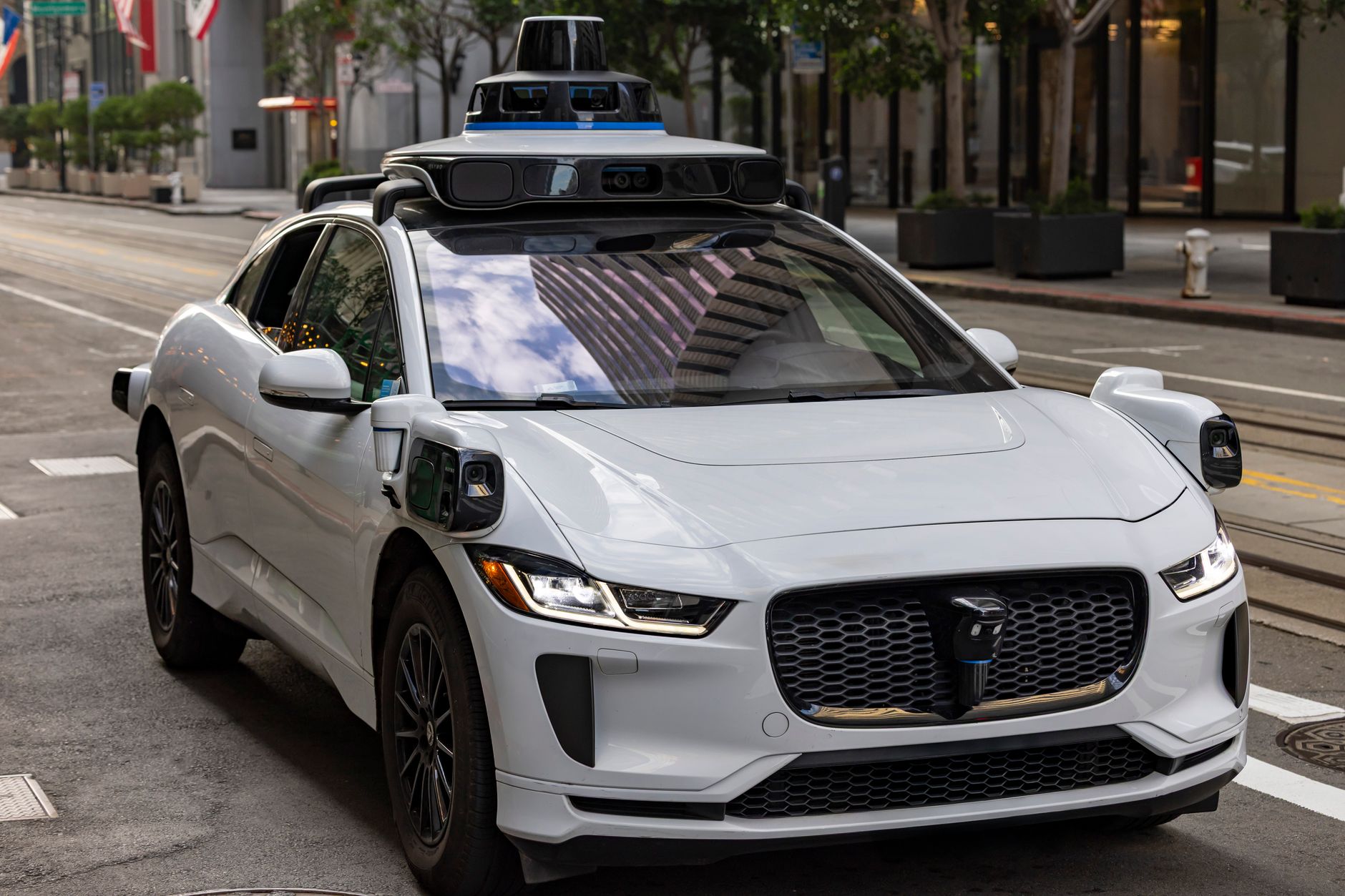
Tesla has recently expanded its unsupervised robotaxi service across the entire Austin metropolitan area, a significant step since the fleet’s initial launch. Yet, the service presently includes only 13 to 20 vehicles, a fraction of the 1,000 vehicle fleet originally envisioned by Tesla. This rollout illustrates a classic case of ambition clashing with operational realities, underscoring the complexity inherent in deploying autonomous vehicles at scale.
Since its inception in June 2025 with a monitored fleet, Tesla's autonomous service has transitioned to full unsupervised operations. This shift highlights a rapid technological evolution within a year, but the modest fleet size points to significant operational and regulatory hurdles. Unlike its competitor Waymo, which runs a larger unsupervised robotaxi fleet in various US cities, Tesla has opted for a purely camera-based system without lidar. This technology choice, while potentially cost-effective, raises questions about comprehensive safety and reliability in urban environments.
The operation of these vehicles is not entirely independent; remote monitoring is required. Tesla’s tech allows human operators to intervene, suggesting that the ‘unsupervised’ label may carry more promise than it can presently deliver. Given the geographical and operational constraints, such as defined geofencing limits, Tesla’s robotaxis are more akin to a high-tech beta test rather than a fully matured urban transport solution. Furthermore, the absence of detailed public safety data and opaque regulatory approvals adds a layer of uncertainty for potential users and stakeholders.
Investors and industry watchers are keenly observing this endeavor for several reasons. First, it tests the viability of Tesla’s autonomous driving technology in a commercial setting beyond private vehicle ownership. Second, it provides a live environment to evaluate the potential mass adoption of autonomous vehicles. However, according to Crypto Briefing, the fleet is still minute compared to the initial targets and operational vehemence of competitors like Waymo.
Given these insights, it's clear that Tesla's robotaxi service in Austin is more of a preliminary step rather than a grand entrance into urban transportation. The slow rollout and limited fleet size reflect cautious but progressive steps toward integrating more autonomous vehicles into everyday life. For Tesla, scaling up will require more than just technological innovation-it will need rigorous safety validations and strategic regulatory engagements.
For those monitoring advancements in urban transportation technology, Tesla’s initiative in Austin serves as a curious study in scaling innovation responsibly, juxtaposed against ambitious corporate visions. It provides a real-time window into the challenges tech companies face when pushing the boundaries of what’s possible on our roads.
Exploring how this affects your payment flow?

