
Texas Bank Embraces Cryptocurrency, Challenging Wall Street with Regulatory Milestone
United Texas Bank has embarked on a transformation to become a nationally chartered bank, a move that equips it with federal licensure and direct access to the Federal Reserve’s payment systems, crucial for integrating cryptocurrency with traditional banking services. This strategic shift positions UTB to potentially set a new standard in the banking industry, blending advanced fintech solutions with robust regulatory frameworks to address the needs of a 24/7 global financial market.
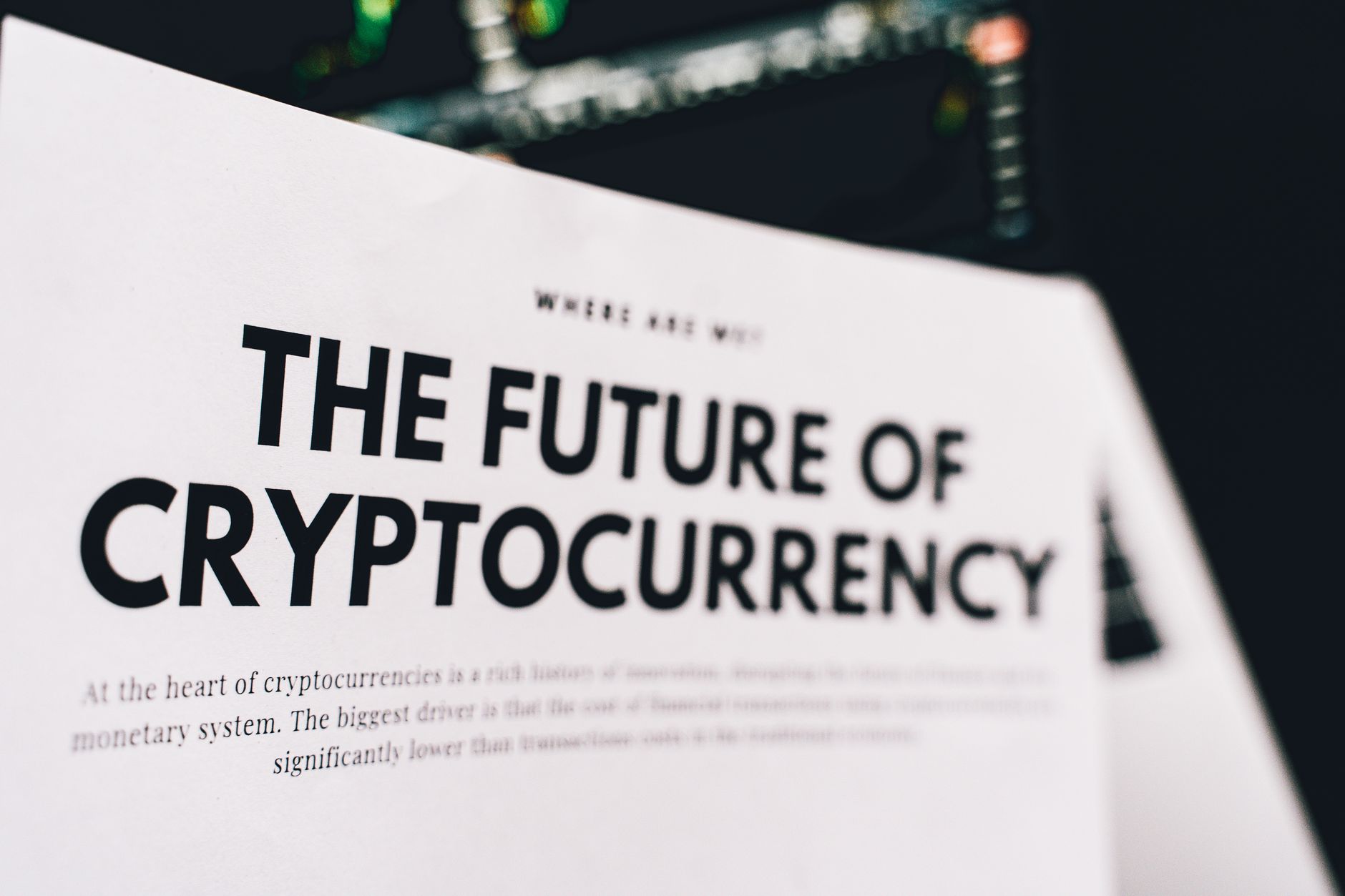
In a bold stride that pits a regional player against the titans of Wall Street, United Texas Bank has shaken up the financial landscape by securing an Office of the Comptroller of the Currency approval to transition into a nationally chartered bank. This landmark move not only escalates the bank’s standing but firmly establishes it as a pivotal connection between the burgeoning cryptocurrency markets and traditional banking systems.
The strategic transformation of UTB from a state-chartered entity to a national powerhouse is intriguing, not just for its competitive implications but also for its timing. As Scott Beck, UTB’s president, noted in an interview with CoinDesk, while major financial institutions are still "tiptoeing" around crypto, UTB has been deeply entrenched, handling over $120 billion annually in transactions for prominent crypto firms. This proactive approach could well be a masterstroke in bridging the gap between crypto liquidity and conventional banking services, giving UTB a head start over Wall Street giants just beginning to dip their toes in the digital waters.
The conversion under the OCC’s watch isn’t just a title change; it places UTB on an equal regulatory footing with national banks like JPMorgan Chase and Bank of America. This equivalency provides UTB with the same federal licensure, trust powers, and direct access to the Federal Reserve’s payment systems, which are crucial for real-time transaction processing vital in the 24/7 crypto market. Furthermore, the creation of UTB Atomic and UTB Prism Sentinel, their AI-driven compliance and payment networks, positions them at the forefront of fintech innovation, ensuring they remain compliant while providing round-the-clock liquidity solutions-a clear response to the market void left by the collapses of Silvergate and Signature Bank.
For a sector that operates globally and around the clock, the traditional banking system's constraints have always been a sore point, often leading to inefficiencies that disrupt flows and frustrate operators. UTB’s shift not only offers a solution to these issues but does so with the requisite regulatory and technological backing that could make them a model for others to follow.
However, while UTB’s aggressive move sets a high bar, it is not without risks. The embracement of a full-fledged cryptocurrency banking platform places UTB under intense scrutiny from regulators and market participants alike. Their systems will need to withstand the complexities of compliance, particularly with the looming implementation of federal stablecoin frameworks under acts like the GENIUS and Clarity Acts.
What does this mean for the broader banking industry and the burgeoning intersection of crypto and traditional finance? If UTB’s pivot proves successful, it could spur more state-chartered institutions to seek national charters, catalyzing a significant restructuring of banking operations across America. This would not only validate UTB’s strategic vision but could fundamentally reshape the regulatory and competitive landscape of U.S. banking.
In essence, UTB’s leap might just be a precursor to a new era of banking, where the lines between crypto and traditional finance blur, creating a new norm of financial operations that are more inclusive, immediate, and compliant. As the landscape shifts, stakeholders would do well to keep an eye on this evolving playbook-a hybrid model of banking that could become the benchmark if UTB’s gambit pays off.
Exploring how this affects your payment flow?