
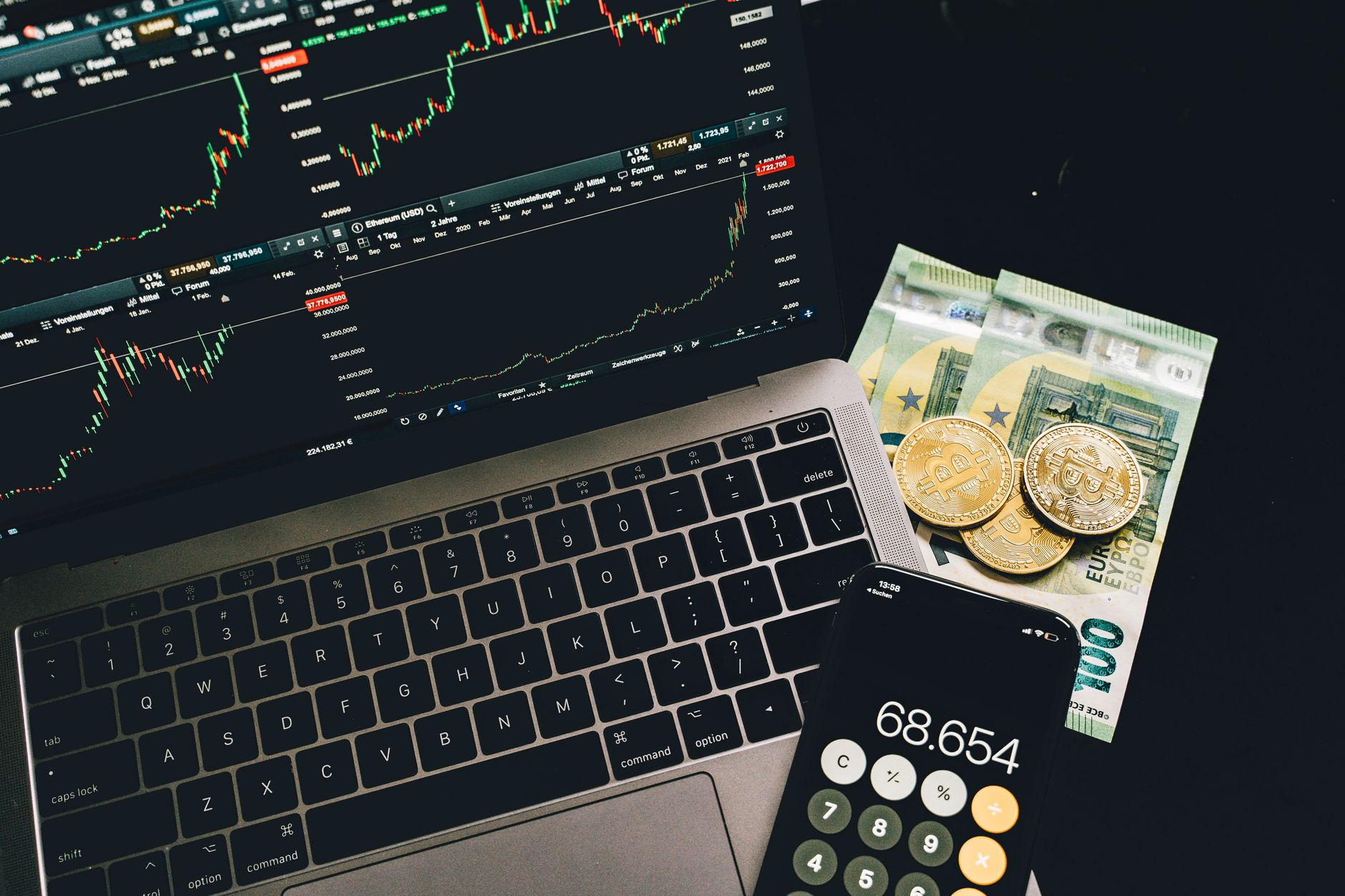
The financial landscape is witnessing a seismic shift as cryptocurrency exchanges evolve into bona fide multi-asset trading platforms, elbowing their way into territories once exclusively occupied by Wall Street. At the forefront, OKX has just rolled out an array of X-Perp markets, not only for cryptocurrencies but also for commodities and U.S. equity indices. This maneuver is more than just an expansion-it's a direct challenge to traditional finance models and a signifier of the blurring lines between digital and traditional asset markets.
It’s quite fascinating, really. OKX's introduction of perpetual markets for major indices like SPY and QQQ allows traders to interact with the giants of U.S. equities around the clock, bypassing the conventional trading hours of Wall Street. This development is not an isolated incident. Kraken, another crypto heavyweight, has thrown its hat in the ring with 24-hour perpetual futures for synthetic U.S. stock tokens, offering up to 20x leverage. These platforms are not merely diversifying offerings but are redefining how and when trading occurs.
The strategy here is transparent: retain trader fees and user engagement by creating a one-stop-shop for financial assets. Why let users leave your platform to trade commodities or stocks when you can offer them the moon and the stars? As per a recent CoinDesk report, the tokenized treasury markets have already ballooned to $14.6 billion. This isn't just a trend; it's a stampede towards integration.
But let's simmer down and ponder for a moment-what does this mean for the average Joe or Jane? For starters, the democratization of finance seems to be playing out in real-time. No longer are markets a distant, walled garden tended by suits on Wall Street. Now, they're as accessible as your nearest smartphone, open 24/7, and not just for the elite. This shift could inject more liquidity and perhaps more volatility into markets traditionally seen as stable due to their structured trading hours and more measured pace of news flow.
Yet, this integration does raise some eyebrows (and regulatory hackles, I might add). As traditional and crypto markets intertwine, they could introduce complex systemic risks and regulatory challenges. Will the oversight bodies step up their game to adapt, or will this be a wild west scenario? Furthermore, this integration raises questions about market manipulation, surveillance, and the protections for retail investors diving into these 24-hour trading cycles.
Another critical aspect not to be overlooked is the technological infrastructure supporting these expanded services. Platforms like OKX and Kraken are not just dabbling in finance; they are now stewards of a massive amount of cross-asset trading volume that requires robust, secure, and resilient systems to handle. This is not just about having enough server space; it's about creating a fail-safe system that can protect investors and their funds under every conceivable scenario. In fact, Radom's on- and off-ramping solutions highlight the importance of secure, seamless transitions between different types of assets, a critical component of user trust and platform reliability in the crypto-finance hybrid space.
As these crypto platforms morph into something that resembles traditional exchanges more each day, one must wonder if they are losing the essence of what made them unique in the first place or simply evolving to meet the diverse needs of a broader market. Either way, the transformation is unstoppable, and the implications for global finance are as profound as they are pervasive. Welcome to the new era of finance, where cryptocurrencies and Wall Street not only meet but merge.

