
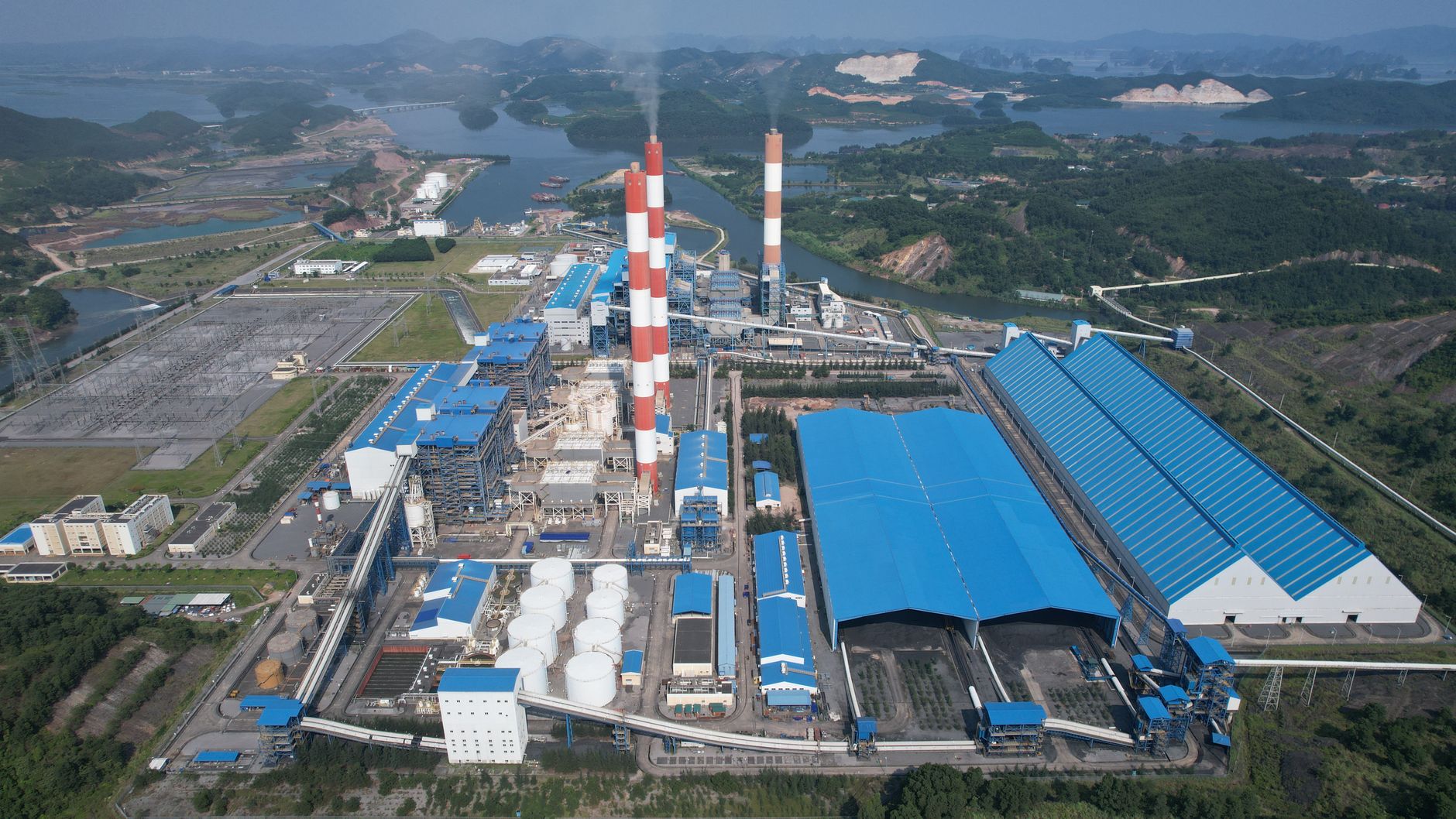
President Donald Trump has just unveiled a $700 million lifeline to the coal sector, wielding the Defense Production Act (DPA) not for weapons of war, but for keeping old-school energy aspirations alive. This bold move channels a hefty sum into the coal industry, an area many deemed on a downward spiral in the era of burgeoning renewable energy sources.
Utilizing wartime laws outside of their traditional context always begs a deeper query into the motives and consequences. Trump is betting big on coal by restarting facilities and propping up mines across states including West Virginia and Tennessee, while also pushing for new coal-fired power plants-the first since 2013. There's a palpable sense of "back to the future" here, but the question lingers: to what end? Reference the full details in Crypto Briefing.
Trump frames this coal resurgence under the banner of national security and economic stability, a classic play. However, there's an undeniable irony in invoking the DPA, a law meant for urgent national crises, to bolster an industry that's been under siege not by geopolitics, but by market economics itself. Natural gas and renewables have been giving coal a good run for its money, quite literally, by offering cheaper and cleaner alternatives.
For the markets, particularly investors and analysts entrenched in the renewable and fossil fuel sectors, this move introduces a fresh layer of complexity. On one hand, there's the immediate financial injection which might seem like a boon for coal-dependent local economies and investors. On the other, it's a clear counter-current to the global shift towards renewable investments-a stance that could isolate the U.S. from burgeoning global green finance trends.
From an investor's standpoint, especially those peeking from the crypto or fintech ledge, the direct implications of this move are minute. There's no blockchain magic here, no clever digital asset play hidden between the coal lines. Instead, this is a vanilla-flavored government subsidy meant to stave off the inevitable rather than embrace innovation or transformation in energy production. We've seen from recent postings at Radom Insights, such as the discussion on Mastercard's adoption of stablecoins, that innovation typically drives market enthusiasm, something this coal investment isn't likely to ignite.
To sum up, while the President's play might shield a dwindling industry from economic reality a tad longer, it's a strategic misfire if we're discussing future-proofing America's energy framework. Betting against the market's tide is not just audacious-it might just be folly. Then again, high stakes moves are not foreign territory for Trump. Investors should watch closely, not for the ripples this might send through crypto markets, but for the broader economic narratives and alignments it disrupts or distorts.

