
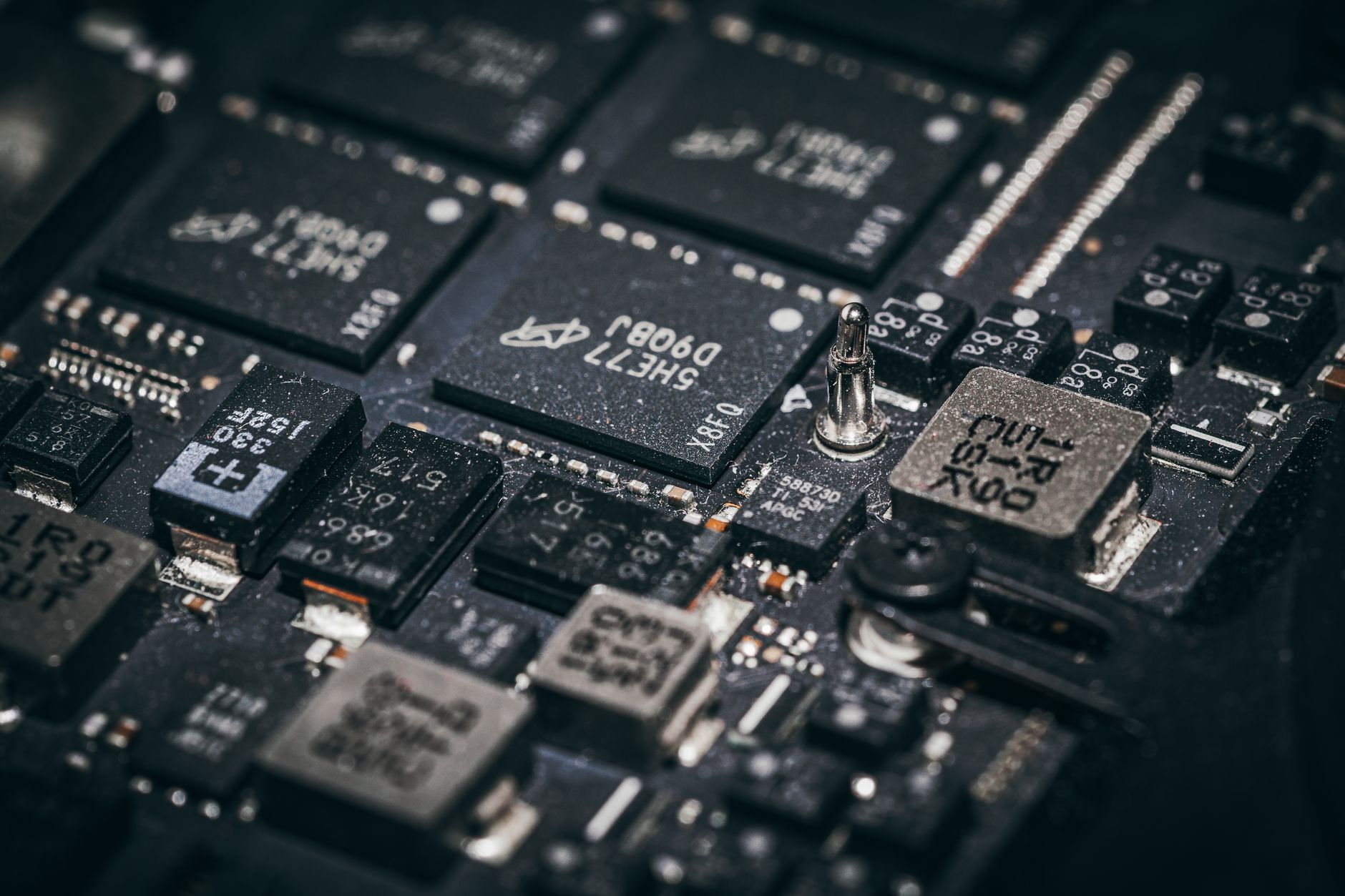
In a decisive move for the U.S. semiconductor industry, Taiwan Semiconductor Manufacturing Company (TSMC) and Amkor Technology are setting the stage for a decade-long joint venture in Peoria, Arizona. This partnership, emerging from a recently signed memorandum of understanding, is poised to bring advanced semiconductor packaging operations closer to home, with a sprawling $7 billion facility at its core.
The strategic alliance between TSMC, a titan in wafer fabrication, and Amkor, a specialist in semiconductor packaging, is a blueprint for integrating more of the chip production process within U.S. borders. By situating Amkor’s packaging operations next to TSMC’s Phoenix-area fab plant, the collaboration aims to streamline the workflow from chip fabrication to packaging, sidestepping the logistical hurdles and delays of trans-Pacific shipping.
This move is significant not merely for its logistical improvements but for its technological implications as well. The focus on integrating cutting-edge packaging technologies like Integrated Fan-Out (InFO) and Chip on Wafer on Substrate (CoWoS) addresses some of the most critical bottlenecks in the production of high-demand tech products. CoWoS, for instance, is instrumental in the assembly of complex multi-chip devices, such as Nvidia's AI accelerators, where global demand far exceeds supply capacity.
The implications of the TSMC-Amkor partnership extend into the realms of policy and economics, particularly under the umbrella of the CHIPS and Science Act. This 2022 legislation aims to bolster America's semiconductor prowess and reduce its dependency on overseas manufacturing - a mission that aligns seamlessly with TSMC and Amkor's Arizona project. Domestic packaging of chips not only fortifies the U.S. supply chain but also ensures a swifter turnaround for high-tech companies like Apple and Nvidia, who have vested interests in reducing overseas dependencies.
For Amkor, this venture represents a pivotal shift. Traditionally seen as a secondary player with a concentration in Asian markets, Amkor’s $7 billion commitment to the Peoria facility signals its arrival as a formidable force in the U.S. semiconductor scene. This shift not only diversifies its operational geography but also enhances its role in the upper echelons of tech manufacturing.
Investors and industry watchers should note TSMC's strategy here: opting for collaboration over expanding its own packaging capabilities suggests a tactical choice to leverage Amkor’s specialized expertise to accelerate production timelines. This choice underscores a broader trend in the tech industry towards collaborative partnerships, where pooling expertise and resources can lead to greater efficiencies and innovations.
As we edge closer to the facility's operational debut in 2028, the TSMC-Amkor partnership serves as a case study in strategic collaboration, setting a precedence that could reshape not just the semiconductor landscape but also the broader tech manufacturing ethos in the United States.
For a detailed breakdown of the TSMC and Amkor partnership, see the coverage on Crypto Briefing.

