
U.S. Forces Thwart Ship Breaching Iranian Blockade as Treasury Seizes Millions in Digital Assets
The US Central Command's recent intervention to stop the Gambian-flagged carrier Lian Star highlights not only a show of military might but also a significant financial strategy, with the US Treasury Department freezing a substantial $344 million in digital assets linked to the Iranian regime. This move illustrates the increasing influence of geopolitical actions on cryptocurrency markets, emphasizing the need for investors and market analysts to monitor how such tensions could affect global crypto liquidity and regulatory landscapes.
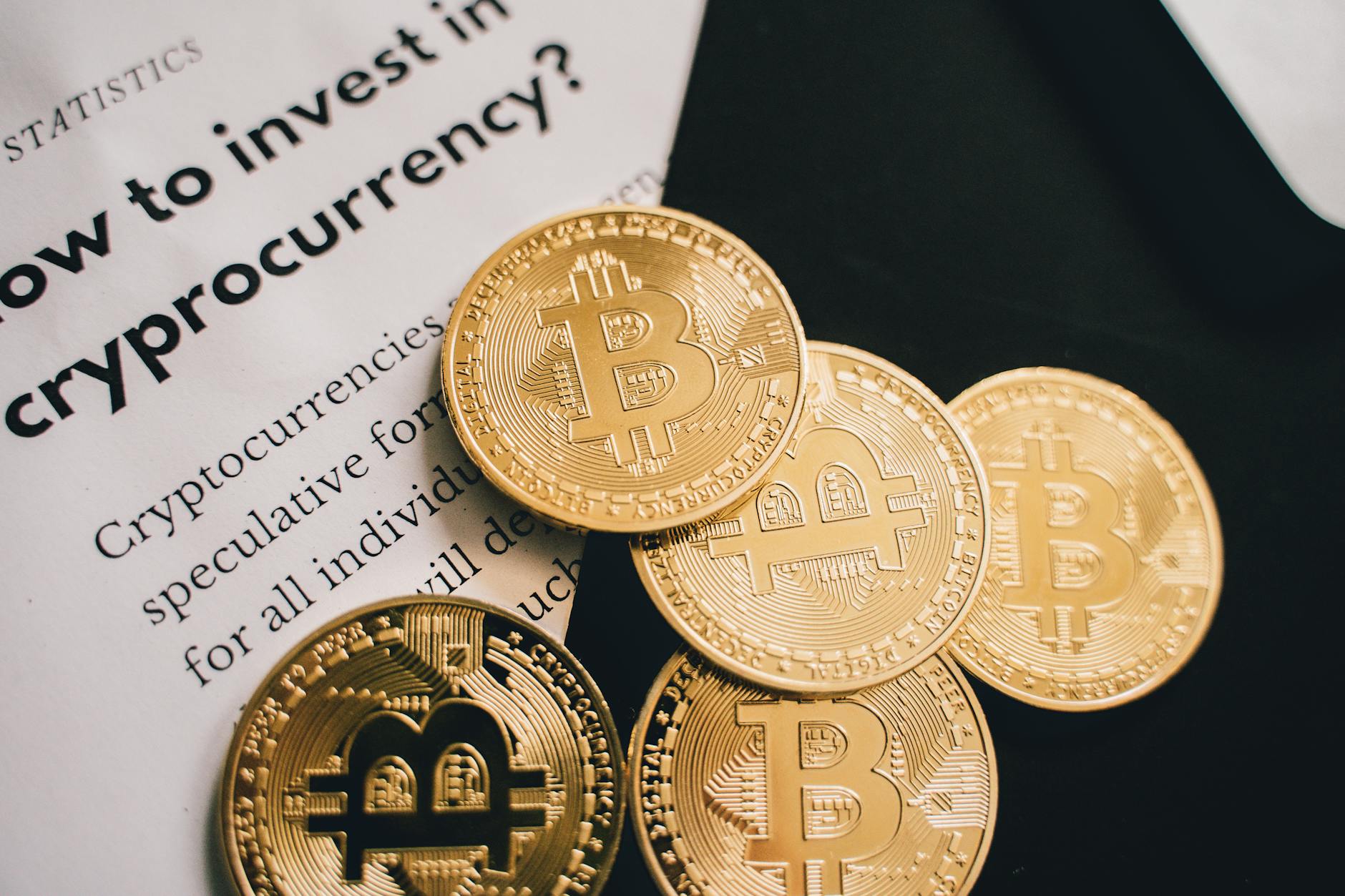
In a seamless display of synchronized might and financial clout, the US Central Command recently stopped a Gambian-flagged carrier, the Lian Star, from violating an Iranian naval blockade-an action underscoring the potent blend of military enforcement and financial sanctions. This marks the sixth such maritime intervention since the blockade's inception in April, but it's the parallel financial offensive that catches the eye: a whopping $344 million in digital assets frozen by the Treasury Department, as linked to the Iranian regime.
This aggressive maritime and economic stance by the US isn't just about ships and sailors; it's increasingly about bytes and blockchain. The frozen digital assets represent not a mere footnote but a substantial escalation in the cryptocurrency sphere. With these assets now locked away in the Treasury's coffers, the message is clear: digital currencies are firmly within the reach of geopolitical influence and regulatory control.
For the cryptocurrency markets, these developments are more than a tremor. Bitcoin, alongside other major cryptocurrencies, has experienced heightened volatility as a direct consequence of these geopolitical maneuvers. This isn't merely a speculative assertion; the linkage between international sanctions and market dynamics is palpable and immediate. Investors and market analysts alike would do well to keep a close eye on how continued geopolitical tensions influence liquidity and regulatory responses across global crypto exchanges.
Moreover, such incidents pose significant questions about the future sanctity and independence of digital assets. Can crypto remain a 'neutral' currency in face of international discord? What we're observing is a definitive reshaping of the landscape, where the decentralized ethos of crypto clashes with the stark realities of state power and international policy.
As these enforcement actions unfold, stakeholders in the crypto ecosystem, particularly those leveraging platforms like hosted crypto checkout solutions, must navigate these turbulent waters with both caution and an informed perspective. Entities, especially those entangled in global trade networks-like those in the cryptocurrency exchange and international payments arenas-must rigorously ensure compliance and stay abreast of regulatory developments that might impact their operations or asset liquidity.
This ongoing saga of blockade and frozen assets is yet more evidence-if any were needed-that in the intersection of finance and geopolitics, cryptocurrency is both a player and a pawn.
Exploring how this affects your payment flow?