
Upcoming Major Enhancements to Blockchain Technology Scheduled for 2026
As the blockchain industry evolves, major platforms like Ethereum, Solana, and Avalanche are prioritizing foundational enhancements over price speculation, signaling a shift towards sustainability and real-world utility in the crypto market. Ethereum's upcoming Glamsterdam upgrade in 2026, aimed at improving scalability and database efficiency, exemplifies this trend and potentially positions it as a more viable platform for stablecoin settlements and asset management.
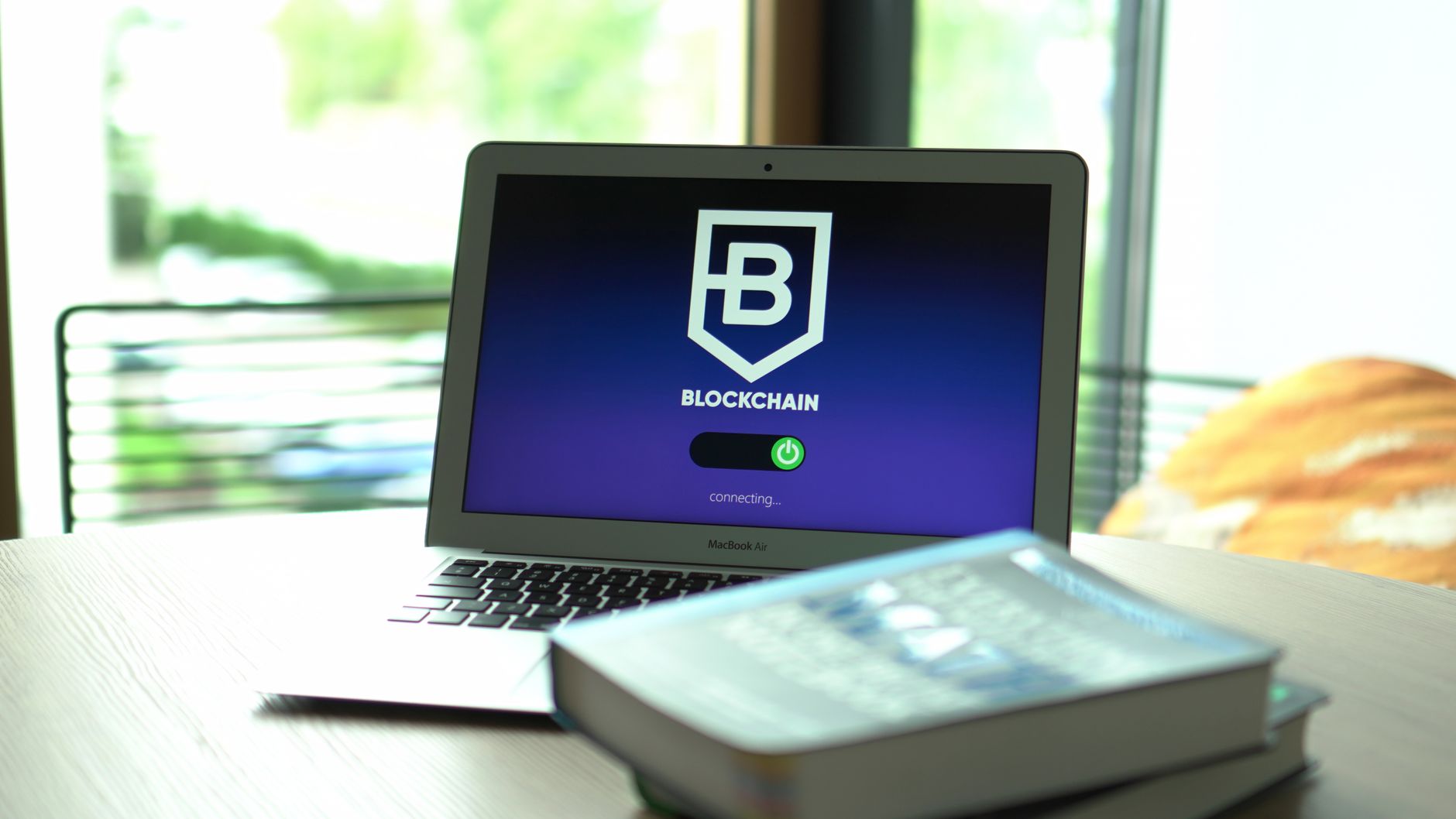
As the crypto community gears up for 2026, it's noteworthy that the buzz isn't surrounding token prices but rather about foundational improvements across major blockchains like Ethereum, Solana, and Avalanche. This shift highlights a maturing market focusing more on sustainability and less on speculation.
Ethereum's forthcoming Glamsterdam upgrade is particularly emblematic of this trend. Set for a release in the latter half of 2026, Ethereum plans to bolster its infrastructure to better accommodate large-scale financial applications, addressing throughput, scalability, and database efficiency. This development could potentially transform Ethereum into a more viable platform for stablecoin settlements and real-world asset management, as noted by Tim Sun from HashKey Group in a recent CoinTelegraph article.
An interesting aspect of the Glamsterdam update is the enshrined proposer-builder separation (ePBS), aimed at decentralizing control over transaction ordering. This change hopes to mitigate issues like maximal extractable value (MEV), censorship, and the centralization of network power. However, as Pavan Kaur from the Solana Foundation pointed out, practices such as sandwich attacks might just find new avenues rather than becoming extinct, suggesting that while the upgrade is a step forward, it's not a panacea.
Meanwhile, Solana's Alpenglow is redefining network consensus with a promise of significantly reduced confirmation times. This upgrade, approved and still under development, could position Solana as a leading choice for applications requiring rapid transaction finalities. The removal of on-chain vote transactions, which forms a bulk of the network's activity, could also streamline validator operations, making the network more efficient under heavy load. This aspect of the upgrade might be particularly compelling for institutional investors, as identified by Hadley Stern of the DeFi Development Corp, who sees the potential for these changes to improve the economics and telemetry of validator operations.
On another front, Base, a network developed by Coinbase, recovered from a temporary glitch to roll out its Beryl hard fork, enhancing network integration and reducing friction in withdrawals. Such upgrades, although technical, reflect a broader trend towards creating a seamless user experience in decentralized finance.
While Ethereum, Solana, and Base forge ahead with these ambitious upgrades, Bitcoin remains a notable outlier. The absence of major upgrades since Taproot in 2020 and ongoing debates around enhancements like covenant proposals and quantum resistance highlight a cautious, if not glacial, approach to development. This conservatism could either be seen as a commitment to security and stability or as a hindrance to innovation, depending on one's perspective.
As these developments unfold, the broader implications for the crypto ecosystem are profound. The focus on improving the underlying technology rather than mere price speculation could herald a new era of blockchain utility-one that's robust, efficient, and ready for mainstream financial adoption. For those interested in how such advancements could be leveraged for business applications, exploring on- and off-ramping solutions provided by companies like Radom could offer practical insights.