
US Authorities Impose Blockade in Gulf of Oman, Gambia-Flagged Ship Neutralized
In the wake of U.S. forces disabling a Gambia-flagged vessel in the Gulf of Oman, there has been a significant escalation in the 2026 Iran war, which threatens to disrupt maritime traffic through the vital Strait of Hormuz and reshape global trade dynamics. This strategic move is part of a larger U.S. effort to blockade Iranian ports, with serious implications for oil supply chains and international market stability.
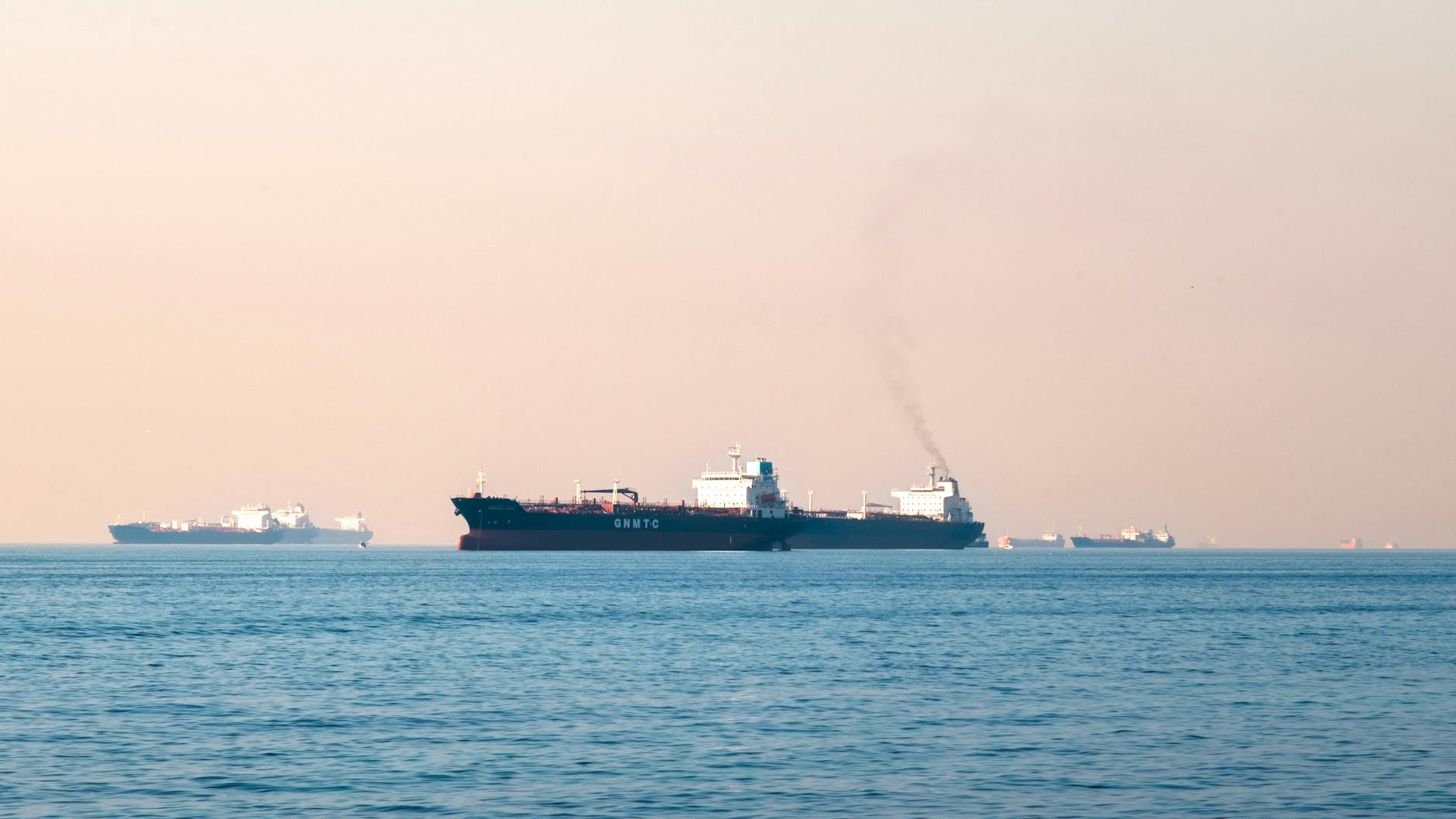
The disabling of a Gambia-flagged vessel by U.S. forces in the Gulf of Oman marks a significant escalation in the 2026 Iran war, directly impacting maritime traffic through the strategic Strait of Hormuz. Published details from Crypto Briefing confirm that this enforcement action is part of a broader strategy to blockade Iranian ports, signaling a long-term disruption that could reshape the dynamics of regional and global trade patterns.
The immediate effect of such military maneuvers on maritime logistics is profound. Historically, the Strait of Hormuz has been a critical chokepoint, through which a significant portion of the world's oil transits. The current U.S. strategy of disabling vessels suspected of breaching the blockade not only heightens tensions in the region but directly influences global oil supply chains. Markets have already reacted, as evidenced by the sharp decline in the likelihood of normal traffic resuming through the Strait by the end of July, now standing at just over 50%.
For businesses and investors, these developments signal a need for increased vigilance and potential recalibration of risk assessments. Companies relying on stable oil supplies or those involved in maritime operations in the affected area must now consider alternative routes or methods of procurement. The cost implications are significant, potentially increasing operational costs and affecting profit margins across multiple industries.
The broader economic implications are equally serious. An extended disruption in one of the world's busiest maritime corridors could exacerbate already volatile markets, influence global oil prices, and potentially lead to increased inflationary pressures worldwide. Economies still recovering from the impacts of global disruptions, such as the COVID-19 pandemic, must brace for another potential shockwave that could stall growth and complicate fiscal policies.
From a regulatory and compliance standpoint, the recent actions by the U.S. military underscore the importance of staying abreast of international developments. Businesses in the shipping, logistics, and trading sectors need to ensure robust compliance frameworks that can quickly adapt to changing geopolitical landscapes. It’s not just about compliance; it’s about survival in a rapidly shifting world where geopolitical tensions can have immediate and far-reaching economic effects.
Observers of the conflict and market participants should keep an eye on U.S. Central Command (CENTCOM) activities and any forthcoming U.S. Navy announcements. Shifts in military strategy, diplomatic negotiations, or responses from Iran could all alter the current market predictions and operational strategies. For real-time analyses and strategic adjustments, tuning into expert dialogue and defense communiqués will be essential.
For our readers engaged in fintech and related sectors, understanding the intersection of geopolitical actions and financial markets is crucial. The blockade's impact on oil transit not only affects commodity markets but also has broader implications for currency markets, stock markets, and global economic stability. At Radom, our commitment remains to provide insights that help you navigate these complex dynamics, ensuring that your strategies are informed by the most current and comprehensive analyses.
As the situation evolves, Radom will continue to monitor and analyze the developments, providing updates and insights relevant to all our stakeholders. In these turbulent times, being forearmed with information is more than just power - it's a necessity.
Exploring how this affects your payment flow?