
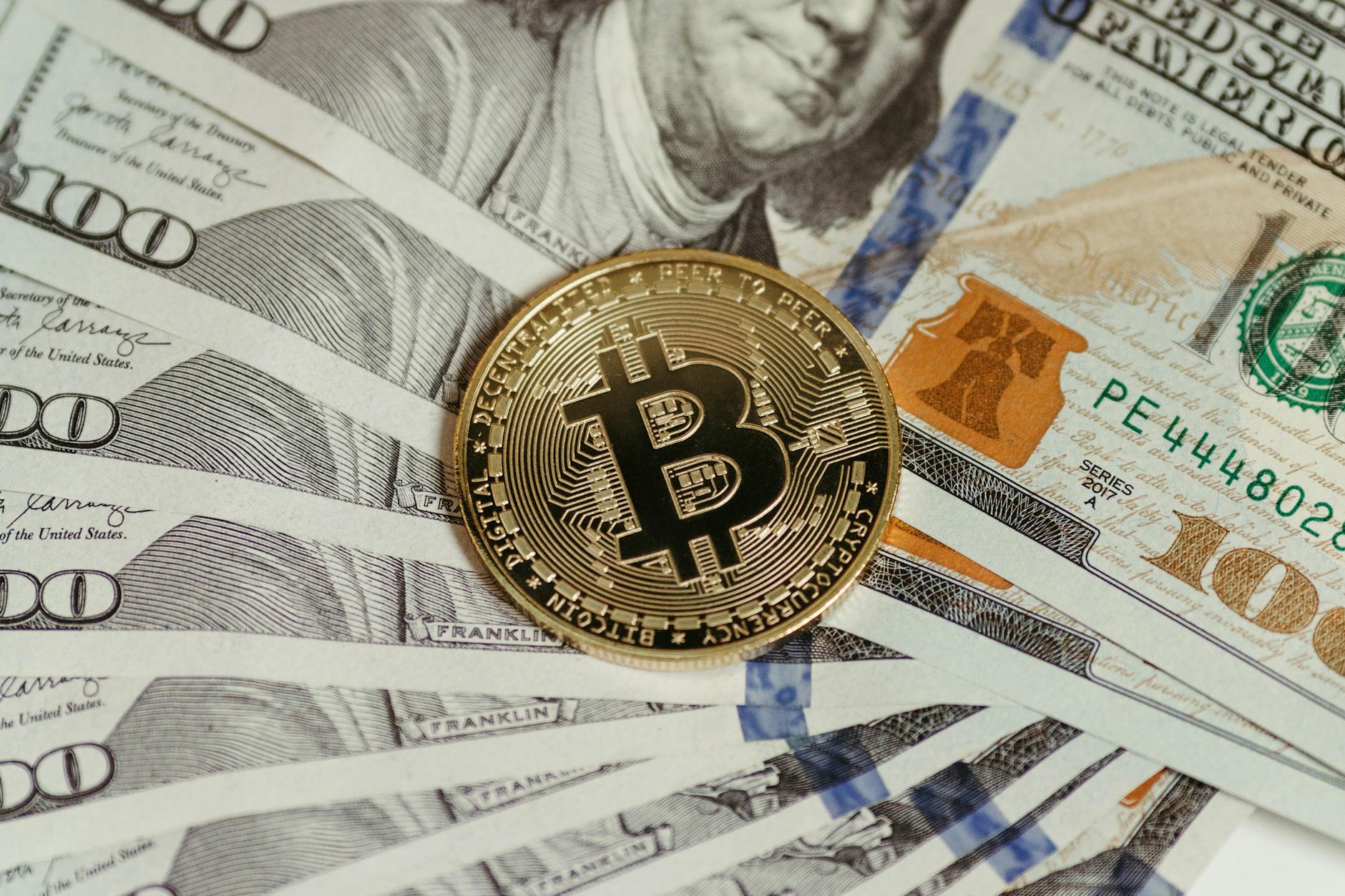
In a significant stride towards integrating cryptocurrency with traditional banking systems, US Bancorp, the fifth-largest commercial bank in the United States, is now exploring the use of stablecoin technology via the Stellar network to enhance financial transactions. This move aligns US Bancorp with other major financial institutions such as Bank of America and Citi, marking a growing trend of acceptance and adoption of digital currencies within mainstream banking. According to The Block, this experimentation underscores a broader industry shift towards more scalable, stable, and secure financial operations.
The adoption of the Stellar network by US Bancorp is pivotal not only because of the bank’s substantial influence but also due to Stellar's focus on facilitating cross-border transactions. Stellar’s infrastructure offers transactional compliance which is crucial for large-scale financial operations, bridging the gap between the innovative blockchain technology and the stringent regulatory frameworks surrounding global financial services. This collaboration could pave the way for more efficient, less costly financial transactions, improving banking operational capabilities markedly.
Stablecoins, unlike their more volatile digital counterparts like Bitcoin, are designed to maintain a consistent value by being pegged to traditional fiat currencies. This characteristic makes them particularly appealing to institutions like US Bancorp that deal with vast sums of money and require stability to effectively manage risk. The use of stablecoin technology could help mitigate some of the typical concerns associated with cryptocurrency, such as high volatility and uncertain regulatory status, making them a suitable tool for mainstream financial processes.
Furthermore, US Bancorp's foray into stablecoins could significantly influence customer perception and the broader acceptance of cryptocurrency as a viable option for daily transactions. By integrating digital currencies into their services, banks not only enhance their transaction capabilities but also provide a platform for customers to interact with and understand the potential of cryptocurrency in a regulated environment. For businesses looking to integrate similar solutions, Radom’s on- and off-ramping services provide a robust framework catering to businesses transitioning into the crypto sphere.
However, while the benefits are clear, the integration of cryptocurrencies in traditional banking does not come without challenges. Regulatory compliance and security issues remain at the forefront of concerns. As financial institutions navigate through these challenges, they forge a path for cryptocurrency’s potential utility beyond speculative investment, towards becoming a cornerstone of everyday financial activities.
In conclusion, US Bancorp’s pilot with stablecoins on the Stellar network could be a watershed moment for the banking industry, signaling a shift towards more innovative, efficient, and inclusive financial services. If successful, this could herald a new era of banking where digital currencies and traditional banking not only coexist but collaborate to provide enhanced financial solutions. This union promises to redefine the boundaries of what is possible in the financial world, blending tradition with innovation.

