
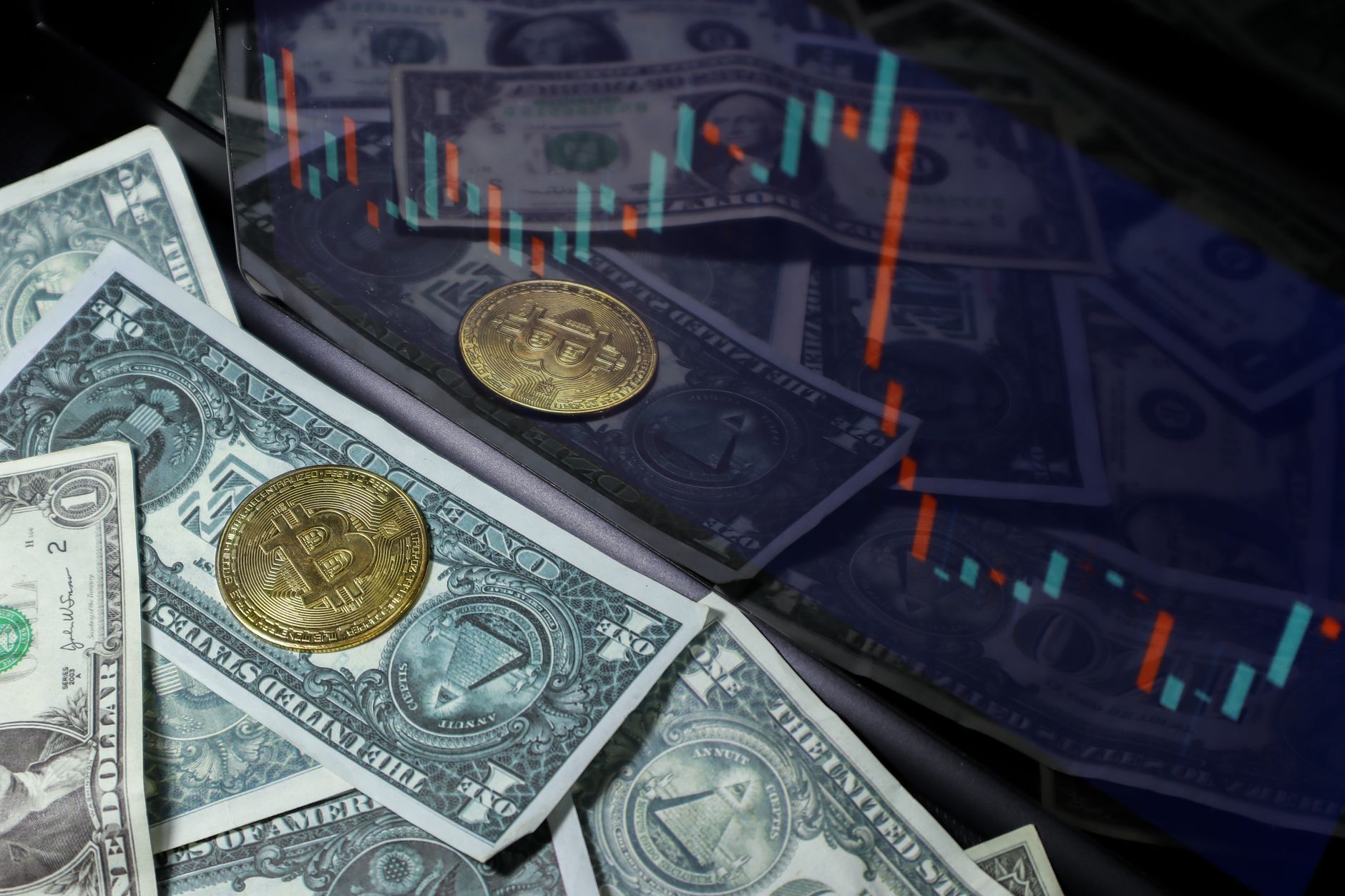
The U.S. dollar's recent ascent to a two-month high is not just a monetary phenomenon - it's a wake-up call to anyone tethered to the pulse of financial markets, particularly those in the crypto sphere. As outlined by Crypto Briefing, the speculation around potential rate hikes by the Federal Reserve has rippled through markets, sending U.S. Treasury yields soaring to their highest in nearly a year. The underlying driver? Inflation fears, stoked by rising energy prices and geopolitical tensions around Iran.
What's particularly interesting here is not just the dollar's strength, but the consequent positioning within financial markets. Traders are increasingly betting against the possibility of the Fed cutting rates in the imminent June or July meetings, aligning their expectations with a tightening monetary stance. This shifts the narrative firmly towards maintaining or even increasing interest rates, a stance that seems to be solidifying with each passing day.
For the cryptocurrency markets, this presents a dichotomy. A robust dollar typically spells trouble for commodities like Bitcoin and Ethereum, which often inversely correlate with the dollar's performance. As the dollar strengthens, the allure of cryptocurrencies as a "hedge" or alternative investment diminishes, applying downward pressure on their prices. This dynamic is evidenced by the softening of Ethereum's year-end price predictions, now seeming less likely to touch the ambitious $10,000 mark.
However, for those involved in the operational and compliance sectors of fintech, such fluctuations underscore the importance of robust risk management strategies and the need to stay agile in a rapidly evolving market landscape. Companies like Radom, with their comprehensive suite of financial solutions ranging from crypto payments to mass payouts, provide necessary tools to navigate these turbulent waters effectively. For example, their on-and off-ramping solutions are particularly pertinent for businesses looking to manage interchangeably between fiat and crypto assets in these uncertain times.
Looking forward, market participants would do well to keep a keen eye on forthcoming Federal Reserve communications, particularly around the June Open Market Committee meeting and subsequent remarks from Chair Jerome Powell. Additionally, the external factors such as energy prices and ongoing geopolitical tensions, especially with Iran, will likely continue to play a critical role in shaping market expectations and rate speculations.
Ultimately, while the strong dollar presents immediate challenges, particularly for the crypto markets, it also offers a litmus test for the resilience and adaptability of financial technologies. For businesses and investors, the unfolding scenario is a reminder that flexibility and foresight are crucial in navigating the choppy waters of global finance.

