
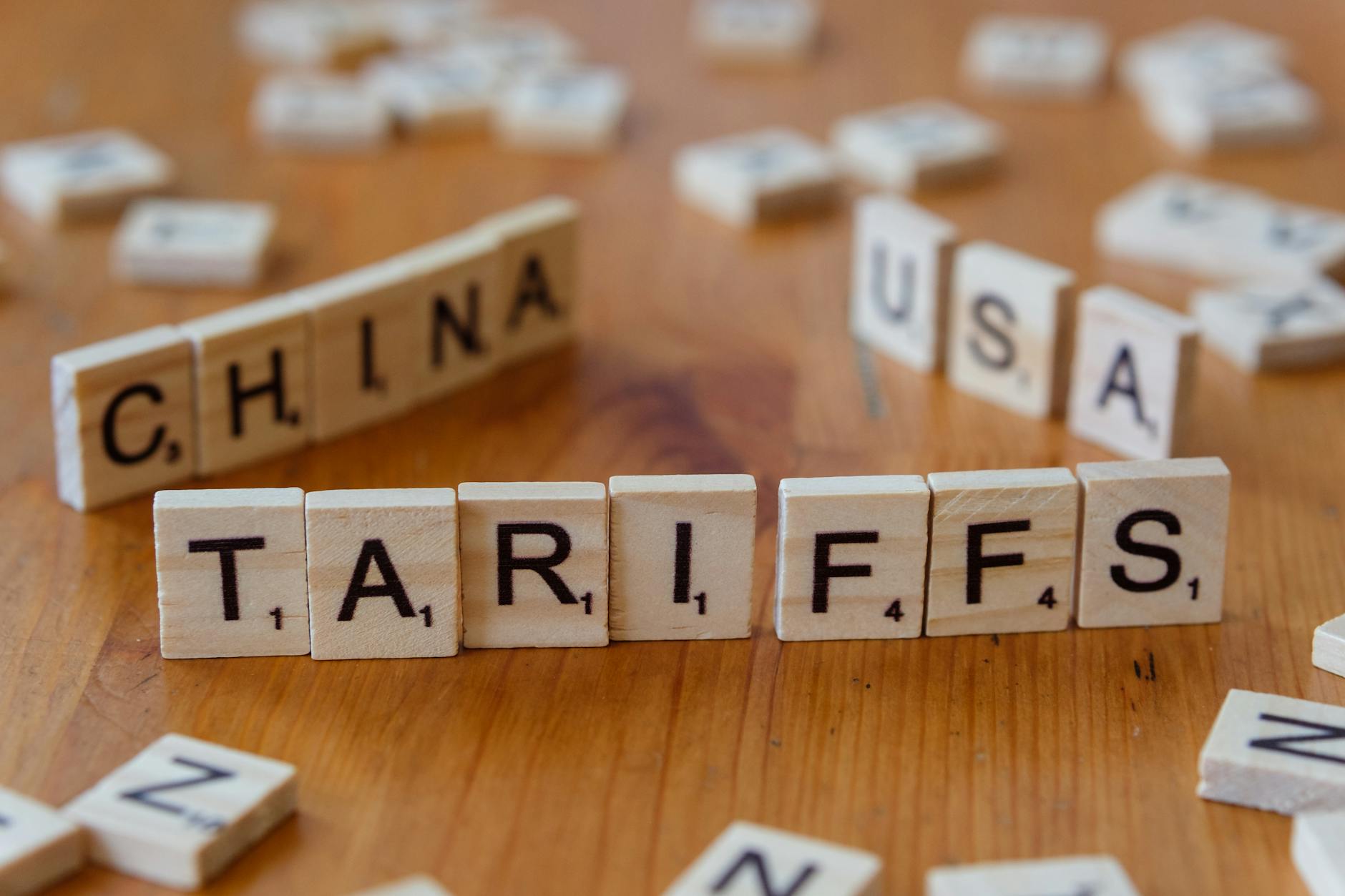
When President Donald Trump announced an additional 10% global tariff, the reactions were swift and abundantly clear, as numerous US legislators and policy experts voiced significant concerns over the potential economic fallout. This isn't just a stutter in the administration’s trade policy narrative; it's more akin to a full-stop that could reverberate through various sectors, including fintech and cryptocurrencies.
Senator Rand Paul and Congressperson Ro Khanna were particularly vocal, framing these tariffs as harmful taxes on working families and small businesses. Scott Lincicome from Cato’s Herbert A. Stiefel Center for Trade Policy Studies further emphasized the negative repercussions on both the economy and foreign relations. According to a report by CoinTelegraph, this critical stance reflects a broader sentiment that these tariff measures could derail economic stability.
Interestingly, despite the potential for market unrest, the cryptocurrency sphere showed remarkable resilience in the face of these announcements. After the tariff was disclosed, Bitcoin’s price saw a modest increase of about 3%. It's an intriguing development, especially considering the usual sensitivity of crypto markets to regulatory and economic tremors. One might ponder if crypto investors are becoming more adept at navigating the choppy waters of economic policy shifts or if cryptocurrencies are beginning to decouple from traditional economic indicators in a more pronounced way.
Pro-crypto attorney Adam Cochran pointed out limitations in the legal scope of Trump's tariff authority, especially under the laws cited in the announcement. His insights suggest that, while the headline 10% global tariff is eye-catching, its actual implementation might be more constrained than initially appears. This kind of nuanced understanding of policy can be crucial for businesses and investors who need to navigate these changes, particularly in industries sensitive to such shifts like international trade and fintech.
The imposition of tariffs has traditionally been a double-edged sword, providing certain protections to domestic industries at the potential cost of raising prices and reducing economic efficiency. For the crypto and fintech sectors, which thrive on global interconnectivity and lean operational structures, understanding the subtleties and actual impact of these tariffs is crucial. Entities involved in these sectors might find it beneficial to explore services such as on- and off-ramping solutions provided by companies like Radom, which can alleviate some of the operational and compliance burdens introduced by such geopolitical fluctuations.
In the grand scheme of things, while tariffs may be intended as a tool to leverage economic negotiations, their real-world impacts stretch far and wide, influencing markets and industries in complex and sometimes unexpected ways. For those in fintech and crypto, staying informed and adaptable is not just a strategy, it's a necessity.

