
Finding a home shouldn't take three years. Unless you're trying to house an entire national soccer team preparing for the biggest tournament on the planet, in which case three years sounds about right.
The US Men's National Team has officially selected the Great Park Sports Complex in Irvine, California, as its Team Base Camp for the 2026 FIFA World Cup. The decision caps a search that spanned 27 venues along the West Coast and was shaped in its final stages by head coach Mauricio Pochettino, who pushed for a late change to ensure the site met his specific requirements for training and logistics.
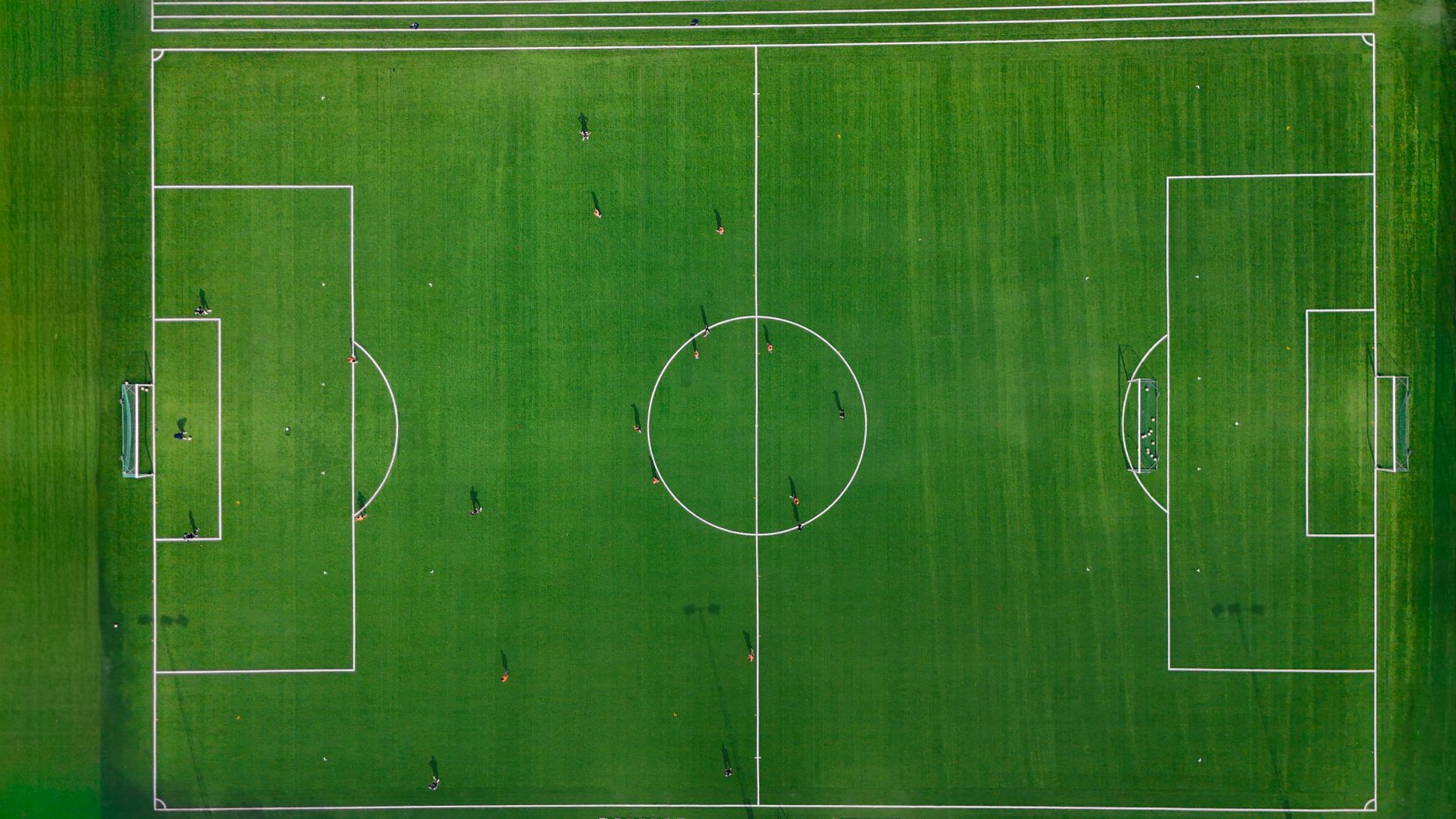
As reported by Crypto Briefing, from Marine base to World Cup base, the Great Park Sports Complex sits on what used to be a Marine Corps air station. Now it features over 24 soccer fields and a dedicated stadium.
The original plan had the USMNT setting up at UC Irvine. That changed when Pochettino, who was appointed as head coach in late 2024, evaluated the options and steered the operation toward the Great Park instead. UC Irvine is a fine university campus, but the Great Park offers purpose-built soccer infrastructure at a scale that few training facilities in the country can match.
The team arrived at the complex in early June 2026 to begin its pre-tournament camp. From there, the squad will prepare for its opening World Cup group stage match against Paraguay.
The 2026 World Cup adds an extra layer of complexity. This is the first edition to feature 48 teams, expanded from the previous 32-team format. More teams means more matches, a longer tournament window, and a broader geographic footprint across the three co-host nations: the US, Canada, and Mexico. For the USMNT, being anchored at a single, high-quality location in Southern California provides stability in what will be an unusually sprawling event.
The three-year timeline of the search tells you how seriously US Soccer took this decision. Evaluating 27 potential sites from Seattle to San Diego is exhaustive by any standard.
The US hasn't hosted a men’s World Cup in over 30 years. The 1994 tournament remains the highest-attended World Cup in history, and the expectation is that 2026 will surpass it.
Pochettino’s influence on the venue switch is worth noting because it signals the level of authority US Soccer has granted him. National team coaches, particularly those hired less than two years before a major tournament, don’t always get to override multi-year logistical plans. The fact that Pochettino did suggests the federation is fully committed to letting him run the program on his terms.

