
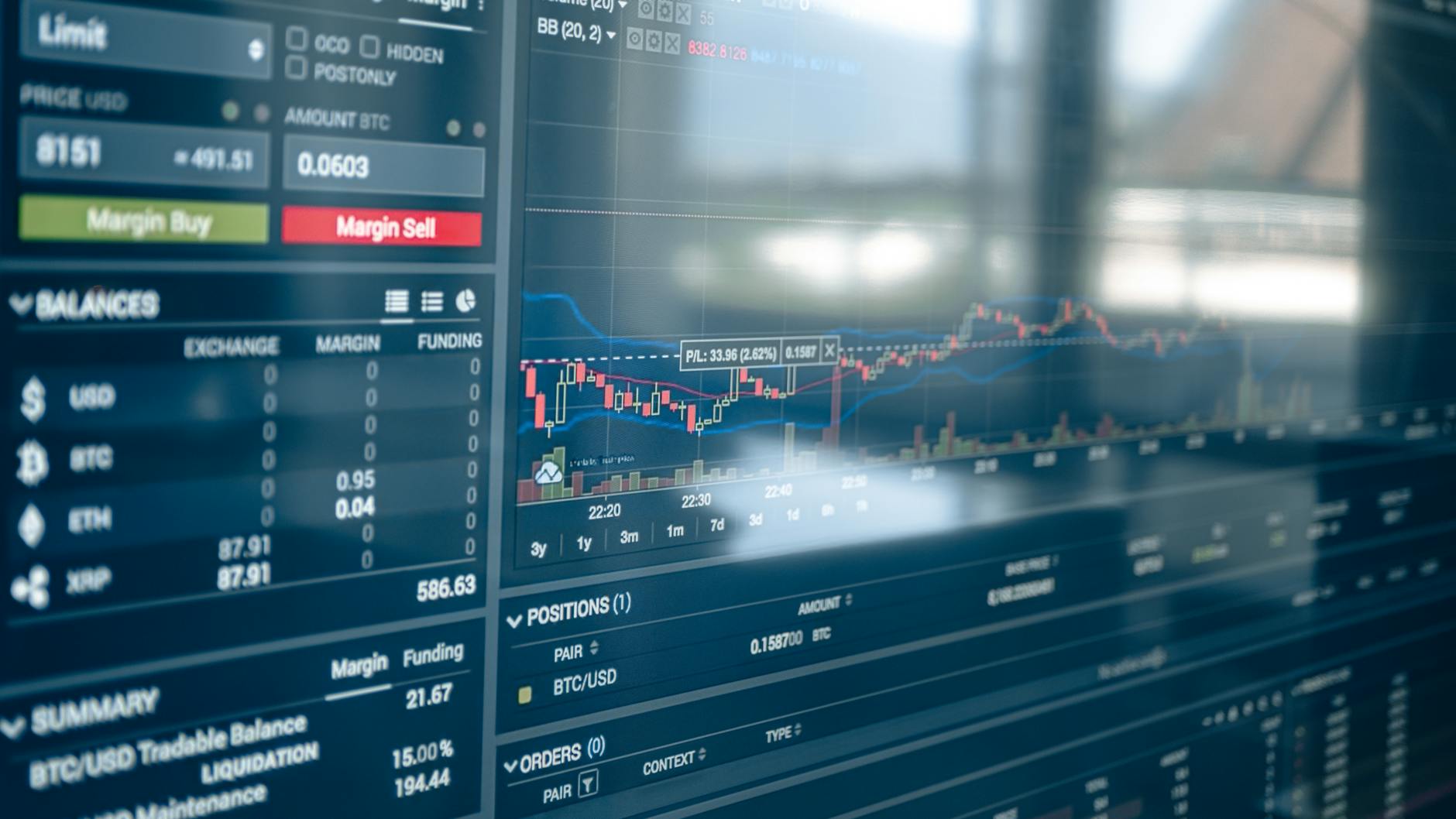
As U.S. institutional investors double down on their bullish stance towards Bitcoin, their offshore counterparts are treading with noticeably more caution. This divergence in investment behavior isn't just a trivial market footnote; it gives us a clearer lens through which to view the underlying sentiment and strategy differences across global financial landscapes.
The recent data from CME and Deribit futures markets, as highlighted by CoinDesk, serves as a compelling real-time indicator of this geographical split in risk appetite. On the CME, a platform preferred by hedge funds and institutional desks, traders are paying a significant premium to maintain long positions in Bitcoin futures. Contrast this with the scene at Deribit, where the drop in basis-essentially the futures premium over spot prices-is markedly more pronounced, signaling a retreat or at least a hesitation from non-U.S. traders.
This stark contrast raises a crucial point: why the disparity? One might speculate that U.S. institutions are viewing recent Bitcoin dips as buying opportunities, adhering to the age-old investment mantra of "buy the dip." Meanwhile, global traders could be reacting to immediate economic cues or potential regulatory shifts that are yet to hit the mainstream news. The reduced appetite for leveraged long exposure outside the U.S. suggests a cautious approach, possibly due to differing regulatory environments or a lack of bullish signals perceived by these investors.
Interestingly, the argument that quantum computing risks are causing market jitters seems somewhat unsupported by the data. If the fear of quantum disruption were truly a factor, we'd likely see an inverse relationship between the stocks of quantum-computing firms and Bitcoin prices. However, as per NYDIG's findings, there's a positive correlation instead. This debunks, at least for now, the theory that quantum computing threats are influencing Bitcoin’s price movements significantly.
For fintech enthusiasts and investors, these observations are not just trading signals but also a primer on the importance of regional sentiment analysis in global markets. It's critical for stakeholders to not only monitor prices and technological developments but also to keep a keen eye on geographical behavioral patterns, especially in a market as volatile and diverse as cryptocurrency.
As Radom continues to navigate these intricate market dynamics, offering solutions like on- and off-ramping services that cater to a global clientele becomes even more relevant. Understanding these geographical differences in market sentiment can guide better tailored services, helping bridge the needs between bullish U.S. investors and their more cautious global counterparts.
In conclusion, while the divergence in Bitcoin sentiment between Wall Street and the global market presents challenges, it also offers a plethora of strategic opportunities for those willing to look beyond the surface volatility. For investors and fintech operators, the key will be in leveraging these insights to craft strategies that acknowledge and capitalize on these regional differences in sentiment and regulation.

