
Warsh's remarks precede key U.S. employment figures, potentially influencing bitcoin and gold markets.
As Fed Chair Kevin Warsh sheds light on potential inflation trends, the financial markets react with increased interest in shifting investments towards hard assets like bitcoin and gold. His comments, paired with the upcoming U.S. nonfarm payrolls data, could significantly influence the stability and attractiveness of these alternative assets amid fluctuating inflation expectations.
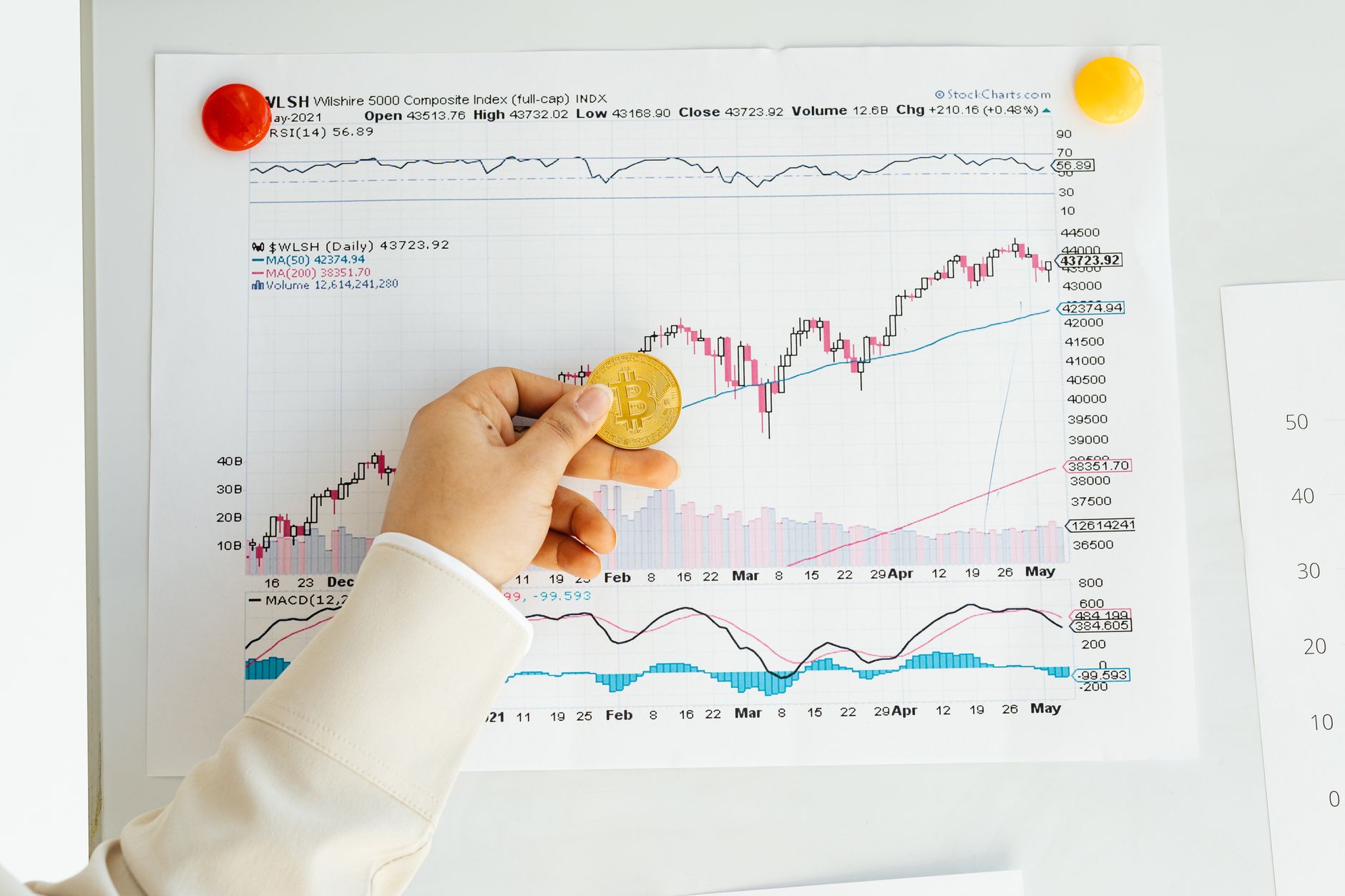
Fed Chair Kevin Warsh's recent remarks are stirring the pot in financial markets, suggesting another look at the so-called debasement trade might be in order. For those unfamiliar, this strategy involves shifting investments from fiat currencies, which are susceptible to inflation, to hard assets like bitcoin and gold, which are not. This pivot often gains traction when inflation fears peak and confidence in traditional currency wanes.
Warsh's commentary came just ahead of the U.S. nonfarm payrolls data-a key economic indicator that could either bolster or dampen his inflation outlook. According to a recent CoinDesk report, the anticipation has already injected some volatility into the markets. Bitcoin, for instance, surged past the $61,000 mark, while gold found its footing above $4,050 after a brief dip earlier in the week.
The timing of Warsh's comments and the subsequent market reaction highlight a crucial insight: market sentiment can shift rapidly based on the economic forecasts and pronouncements from influential figures. This is especially true in realms like cryptocurrency and precious metals, which are particularly sensitive to macroeconomic indicators.
Why does this matter? If the forthcoming jobs data aligns with Warsh’s more subdued inflation expectation, we could see a decrease in urgency around the debasement trade. After all, less inflation typically means less devaluation of fiat currencies, reducing the immediate attractiveness of bitcoin and gold as hedges. However, if the data suggests that inflation fears are not over, the rush to these assets could intensify, driving their prices even higher.
This scenario underscores the interconnectedness of traditional economic indicators and newer asset classes like cryptocurrencies. As such, investors and traders need to stay exceptionally tuned to these economic pulses. Moreover, for companies engaged in crypto on- and off-ramping solutions, understanding these dynamics could enhance service offerings, especially in times of heightened market sensitivity.
In conclusion, while Warsh’s comments set a speculative tone, the real verdict on the debasement trade will depend on hard data. This intersection of traditional economic indicators and modern investment assets remains a critical watchpoint for anyone engaged in or entering the financial markets-be it through direct trading, fintech infrastructures, or even casual investments in bitcoin and gold.

