
Wealthy Bitcoin Investor Secures Spot on Upcoming SpaceX Mission to Mars
Chun Wang's transition from Bitcoin pioneer to commander of SpaceX's first private Mars mission exemplifies a growing trend among tech entrepreneurs who are expanding their horizons from digital innovations to interstellar exploration. This shift not only highlights personal ambitions but also signals a potential revolution in both space travel and technology, with implications that could extend well beyond our planet.
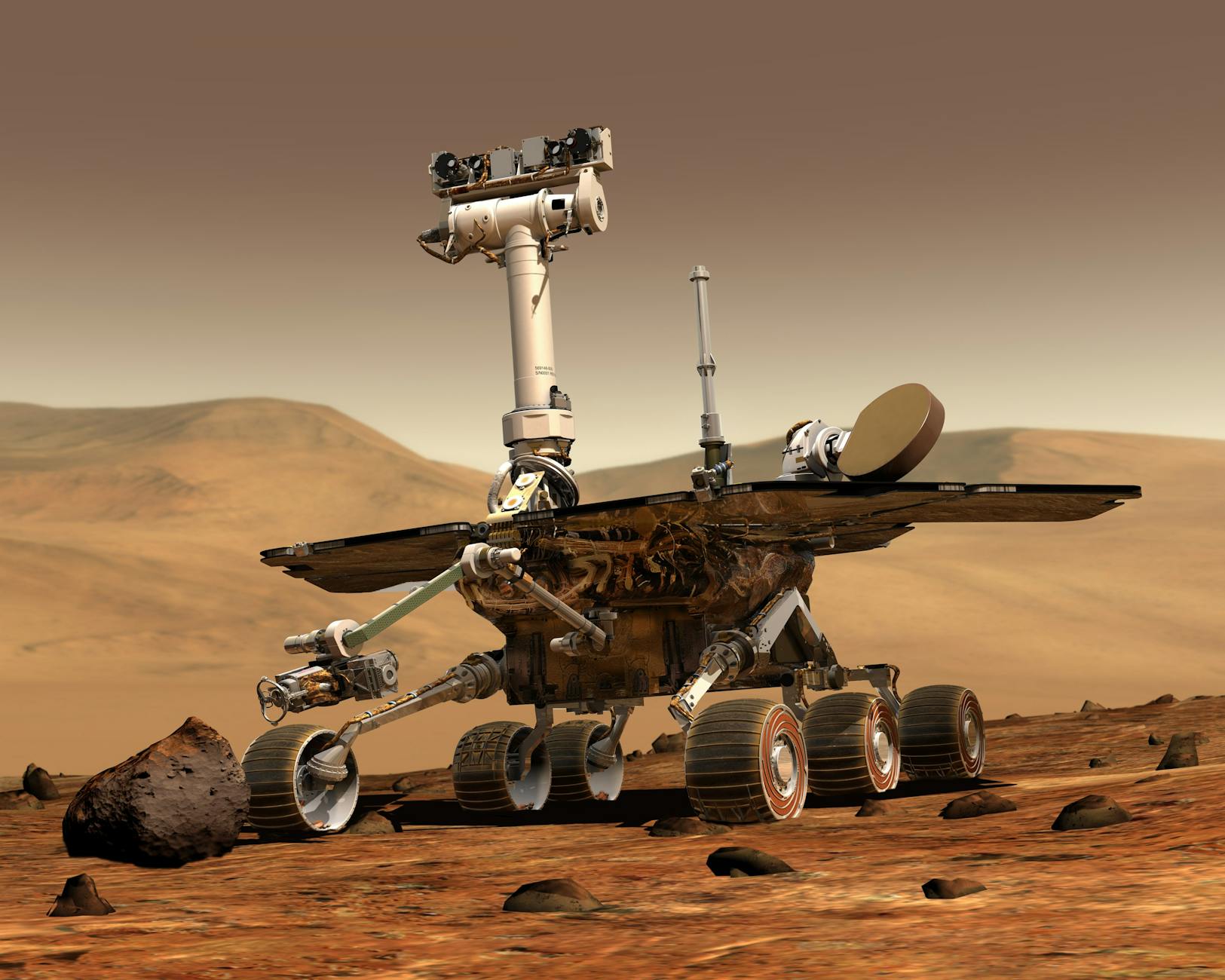
Chun Wang, co-founder of F2Pool, is not just a savvy Bitcoin investor but soon to be a space explorer commanding SpaceX's inaugural private crewed mission to Mars. This leap from cryptocurrency to cosmic journeys underscores a fascinating, broader trend where tech pioneers merge groundbreaking tech with personal passion, thus propelling not only themselves but potentially entire industries into new realms.
The connection between Wang's Bitcoin ventures and his forthcoming space odyssey might initially appear tenuous. However, it's emblematic of a larger pattern where tech disruptors invest in ambitious, seemingly disconnected arenas. Elon Musk’s ventures in both electric cars and space might be the most notable, but Wang’s narrative adds another layer - the utilization of technology not only for earth-bound innovation but for interstellar exploration.
Such missions are not just publicity stunts or billionaire whims. They have tangible impacts on technology and infrastructure. SpaceX’s Starship, which Wang will command, represents the pinnacle of current rocket engineering, promising a fully reusable transport method for future space endeavors. This technological leap is crucial, considering the sustainability and feasibility of frequent and long-term space missions. Moreover, as these technologies develop, the spillover can enhance terrestrial technologies, from materials science to telecommunication.
Wang's role as commander on the Mars mission is pivotal. His experience with Bitcoin and blockchain could bring a unique perspective to space travel - particularly in thinking about decentralized systems and robust protocols crucial in extreme and isolated environments like Mars. This kind of cross-pollination could be what pushes humanity to a new era of space exploration.
Before setting off for Mars, Wang will join a Starship flight around the Moon, an essential step that may help test the viability of longer-duration spaceflights. These missions, which blend exploration with technology testing, are crucial in piecing together the complex puzzle of sustainable interplanetary travel.
This narrative is also a testament to the era of private space exploration. Over the past decade, governments were the main actors in space. Yet, today, private companies, often led by visionary individuals with a background in technology and entrepreneurship, are at the forefront. This shift reflects broader changes in global innovation ecosystems, where private capital and innovation can sometimes operate more nimbly than state-funded programs.
Despite the excitement, there are challenges ahead. SpaceX’s Starship hasn’t yet completed an orbital flight, and the timelines for a manned Mars mission remain speculative. On a broader scale, the implications of private individuals commanding such missions raise questions about the democratization of space travel and the roles governmental and international bodies play in this new frontier.
Wang’s eventual journey to Mars might be a small step in the logistical sense but is a giant leap in demonstrating the symbiosis between cutting-edge technologies - both in space and blockchain. These endeavors aren't just about exploring new worlds. They’re about developing the technology that can make life sustainable beyond Earth, which could provide critical solutions for sustainable life on Earth as well.
As Chun Wang prepares for his journey, the worlds of fintech, technology, and aerospace watch closely. The integration of these fields might not only herald new technological revolutions but could fundamentally alter how we interact with technology in our daily lives and beyond. For more information on how technology and finance intersect, especially in the realm of blockchain, you can explore more at Radom's blog.
Exploring how this affects your payment flow?