
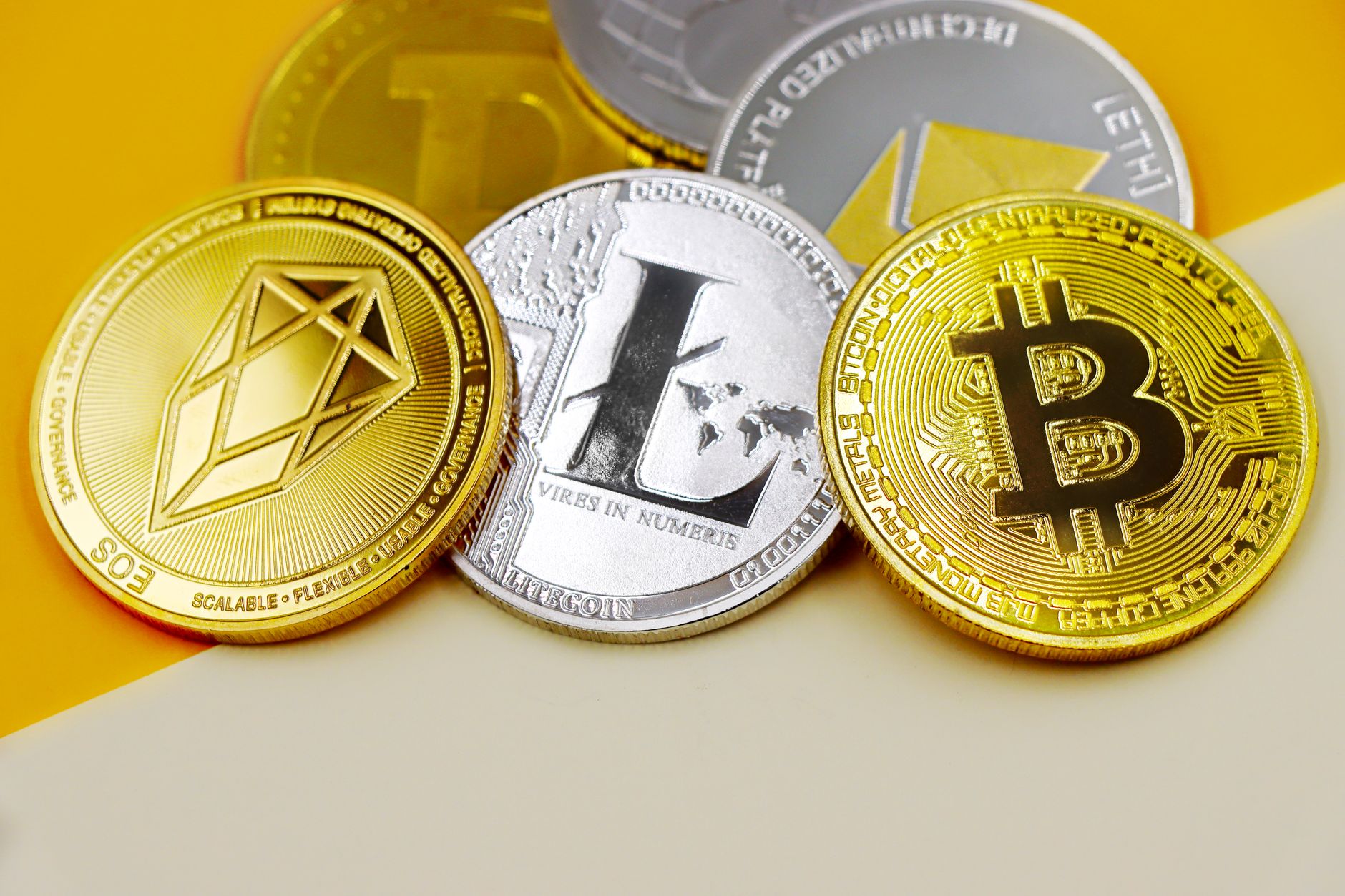
The 2026 FIFA World Cup isn't just elevating the global sports stage-it's also carving out a significant role for cryptocurrency in the umbrella of international football. With Kraken's announcement as FIFA's official crypto exchange supporter for North America and Europe, and the Avalanche blockchain hosting FIFA's digital collectibles, the intersection of sports and digital assets is clearer than ever.
During the Ecuador vs. Curaçao match, not only the players' skills but also the digital prowess of these platforms will be under the spotlight. Kraken's involvement brings it immense visibility, positioning it squarely in front of an audience that scales into billions worldwide. The endorsement by a major sporting entity like FIFA could serve as a testament to Kraken's reliability and market appeal in the highly competitive exchange landscape.
Similarly, Avalanche's role in powering FIFA Collect emphasizes its capabilities beyond typical cryptocurrency transactions. The integration with the Ethereum ecosystem through EVM-compatible NFTs boosts Avalanche's relevance in a market that's increasingly leaning towards interoperability among blockchains. This strategic placement might just provide the competitive edge needed in a market filled with fierce rivals like Solana and Polygon, as it demonstrates real-world utility at an unprecedented scale.
Interestingly, the contrasting crypto landscapes of Ecuador and Curaçao provide a unique backdrop to this narrative. While Ecuador maintains a cautious regulatory approach, not recognizing Bitcoin as legal tender, Curaçao embraces it, fostering a progressive Bitcoin community with favorable tax regulations. This disparity underscores the broader global narrative of uneven crypto adoption and regulation, perhaps pointing to potential areas where exchanges and blockchain platforms can pivot their strategies to facilitate broader and more uniform adoption.
For crypto investors and fintech enthusiasts, these developments are more than just a side note to the games. Kraken's partnership with FIFA, covered in Crypto Briefing, and Avalanche’s technical enhancement of FIFA Collect could signal shifting winds in the crypto industry, potentially guiding investment and development strategies in the coming years.
Moreover, as FIFA’s digital collectibles gain traction, other sports leagues and organizations might observe and possibly adopt similar approaches, thereby opening new avenues for crypto and blockchain integrations. The World Cup’s broad audience provides the perfect test ground for these technologies, offering a glimpse into the future of how global sports fans might engage with digital assets as part of their favorite pastimes.
Thus, while fans cheer on their favorite teams, the discerning eye will watch how seamlessly digital assets integrate into this universally revered event. The successful melding of blockchain technology with global sports could indeed mark a turning point, heralding a new era where sports merchandising and fan engagement leap into the digital age, championed by crypto's leading players.

