
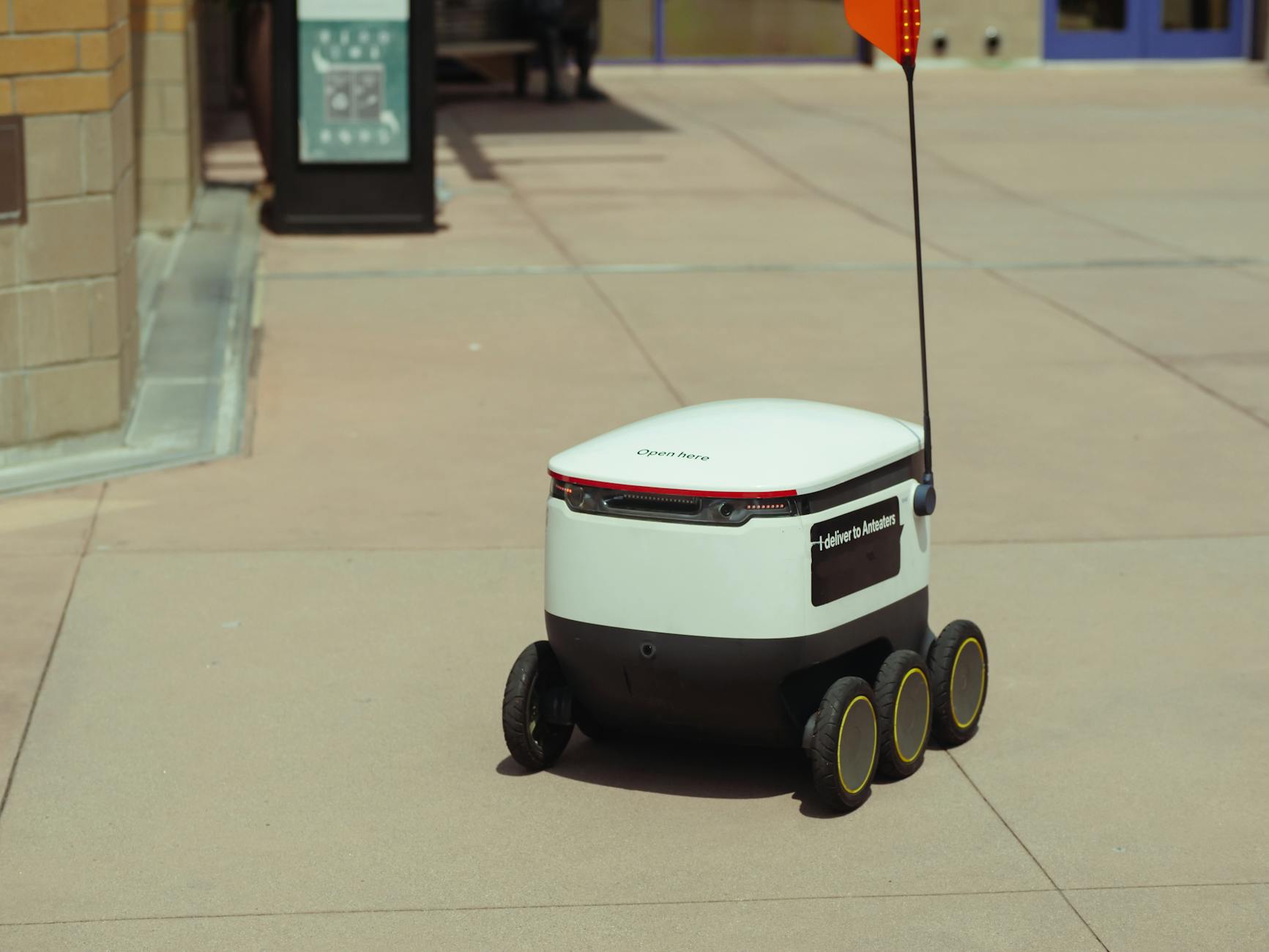
Zevo, a Dallas-based company specializing in electric vehicle car-share services, has recently announced plans to integrate autonomous taxis into its offerings. The move begins with the acquisition of innovative Tensor vehicles, a fledgling company known for its ambitious claims in the autonomous vehicle (AV) sector. This strategic partnership marks a significant step in marrying AI-driven transport solutions with consumer accessibility, creating potential ripple effects across the car-sharing and tech industries.
Tensor, emerging from a Silicon Valley startup called AutoX, has boldly set a timeline to sell fully autonomous cars to the public by 2026. Such audacious goals bring to mind the wave of enthusiasm and skepticism that greeted early promises of self-driving technology. With companies like Waymo already operationalizing robotaxis in urban landscapes, the concept of autonomous vehicles is inching closer from futuristic vision to everyday reality. For more on the evolution of this technology, see TechCrunch’s report on Zevo and Tensor’s collaboration.
The integration of AVs into car-sharing services like Zevo’s is not just about technological advancement but also about the transformation of business models in the automotive and transport sectors. Hebron Sher, co-founder of Zevo, emphasized the dual benefits - cost efficiency and deeper software integration that startups like Tensor offer over traditional automakers whose technology platforms might not be as flexible or innovative.
However, this venture isn’t without its risks. Both Tensor and another of Zevo's partners, Faraday Future, have had their share of challenges. Faraday Future has struggled significantly, affecting its production and delivery schedules. This backdrop presents a calculated gamble for Zevo, relying on companies that are yet to prove their consistency and reliability at scale. Sher’s strategy demonstrates a quintessential startup mentality - high risk for potentially high rewards, betting on cutting-edge technology to disrupt established markets.
The potential for everyday users to engage with AV technology paints a promising picture. Imagine sending an autonomous vehicle to pick up groceries or having it run errands. Or, as Elon Musk suggests, using your personal AV as a passive income source by letting it operate as part of a decentralized taxi network when not in use by the owner.
This vision aligns with broader trends in fintech and the sharing economy, where technology seeks to create more seamless, efficient, and user-driven experiences. The integration of autonomous vehicles into these services could transform how we think about vehicle ownership and mobility. Potentially, it offers a model where cars are not just personal assets but participants in a broader ecosystem of shared resources, similar to insights discussed in a recent Radom blog post on the sharing economy and technology intersections.
Moreover, the role of regulatory environments cannot be understated. Tensor’s pathway to releasing AVs commercially will be heavily shaped by how quickly and favorably regulations evolve. The regulatory landscape will dictate the pace at which these technologies can move from controlled environments and test cases into mainstream markets.
In conclusion, Zevo's partnership with Tensor illustrates the potential pivot points for the auto industry and urban transport paradigms. While the technological and regulatory paths remain challenging, the benefits - from reducing urban congestion and pollution to enhancing user convenience - could redefine urban mobility frameworks. As these technologies mature and intertwine with regulatory and consumer landscapes, they hold the promise of more personalized, efficient, and sustainable urban transportation solutions.

