
A substantial sale of $1.26 billion in BlackRock's IBIT assets suggests a significant investor's swift departure.
The recent $1.26 billion off-market transaction of BlackRock's iShares Bitcoin Trust assets at a 2.3% discount not only illustrates a rapid shift in investor sentiment but also signals a deeper uncertainty among institutional investors in the cryptocurrency market. This strategic exit from Bitcoin, amidst a broader financial trend of capital moving towards sectors like AI and precious metals, underscores a significant reevaluation of asset allocation in response to market volatility and regulatory shifts.
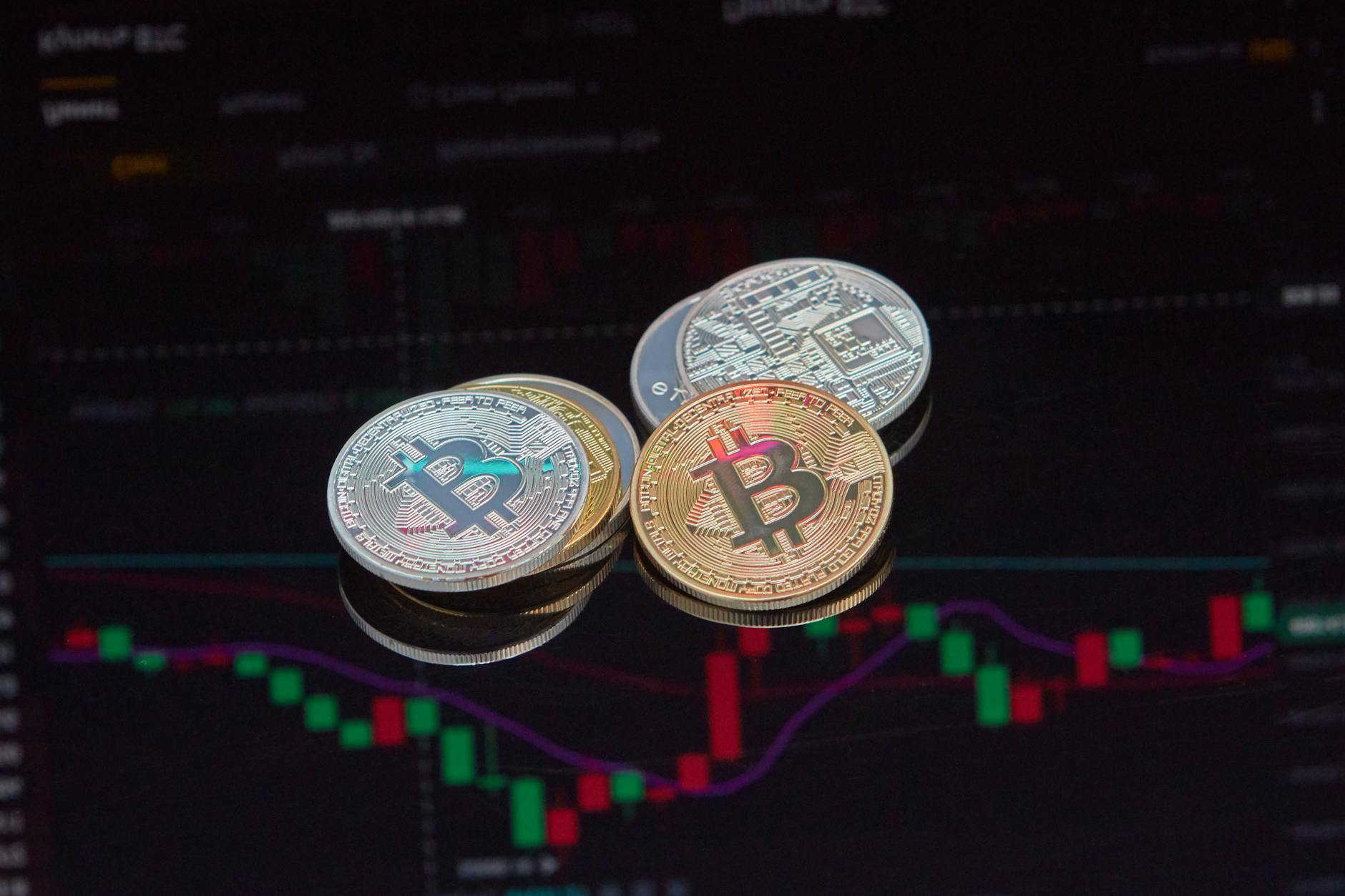
The recent sale of a staggering $1.26 billion in BlackRock's iShares Bitcoin Trust (IBIT) assets marks a notable shift in investor behavior within the cryptocurrency landscape. This block sale, which was executed off-exchange for a 2.3% discount, suggests the involved investor prioritized a swift exit from Bitcoin exposure over a more lucrative, albeit slower, market transaction. According to an analysis by NYDIG, this move diverges from typical hedge-fund strategies, hinting at deeper uncertainties or strategic realignments among institutional investors.
When 29.21 million IBIT shares exchanged hands at $43.16 each-below the market price-on May 26, it wasn't just a large transaction but a significant financial gesture. The sale, which was processed through the FINRA/Nasdaq TRF Carteret facility known for its privacy in transactions, underscores a concerning trend in liquidity preferences and market sentiment, especially when contrasted against the backdrop of sustained outflows from U.S. spot Bitcoin ETFs.
Such a substantial off-market discount indicates an urgency that goes beyond normal trading anxiety. NYDIG’s research further supports this, noting the absence of matching activity in CME bitcoin futures that could typically balance such a spot sale, confirming that the block sale was not part of a bitcoin basis trade strategy. This dismisses earlier speculation around strategic hedge unwinding through simultaneous holding of spot bitcoin and shorting futures contracts. Instead, it appears to be a clear-cut case of reducing exposure or possibly countering portfolio risks amidst a declining bitcoin price, which has seen a 16% dip this year.
The broader financial context is crucial here. As noted by CoinDesk, capital has been migrating from cryptocurrencies to other assets like AI and precious metals. This movement is partly driven by the search for stability and partly by the lure of burgeoning sectors. The investor’s decision to exit at a significant discount might reflect a strategic pivot towards these more traditional or currently surging assets, aligning with broader financial trends of diversifying away from volatile markets during uncertain times.
Meanwhile, the cryptocurrency market continues to evolve under regulatory and macroeconomic pressures. It raises questions about the stability and maturity of this asset class and how institutional investors are navigating these waters. This sale could be an indicator of what's to come, as investors reassess their positions in a landscape that is continually shaped by technological advancements and regulatory scrutiny. For instance, recent developments in prediction markets and regulatory challenges, as discussed in a Radom Insights post, echo similar sentiments of market realignment and the need for sound risk management practices.
For platforms and services handling cryptocurrencies, like Radom, this event underscores the importance of providing robust on- and off-ramping solutions. These solutions must not only offer efficiency and security but also ensure regulatory compliance and adaptability to market needs. As the financial landscape shifts, the tools and services that can provide stability and ease of transition between different asset classes will be crucial.
In conclusion, the unexpected discount sale of IBIT shares is a critical learning point for market participants. It provides a stark illustration of how quickly the winds can shift in the crypto markets and highlights the necessity for investors to remain agile. For those managing digital asset platforms and investments, staying informed and adaptable will be key to navigating future market fluctuations and capitalizing on emerging opportunities in this dynamic and challenging investment frontier.
Exploring how this affects your payment flow?